Inflation pushes Iranians to buy food in installments
Rising inflation in Iran has pushed households to buy even basic food items in installments, reshaping consumer habits.

Rising inflation in Iran has pushed households to buy even basic food items in installments, reshaping consumer habits.

Iranian authorities and pro-government activists are promoting marriage through matchmaking stalls at nightly rallies, even as many young people delay starting families because of deepening economic hardship and rising living costs.
A young Iranian woman’s account of temporarily caring for an infant under a state welfare program sparked debate across Persian-language social media this week over child privacy, foster care and the use of vulnerable children in online content.
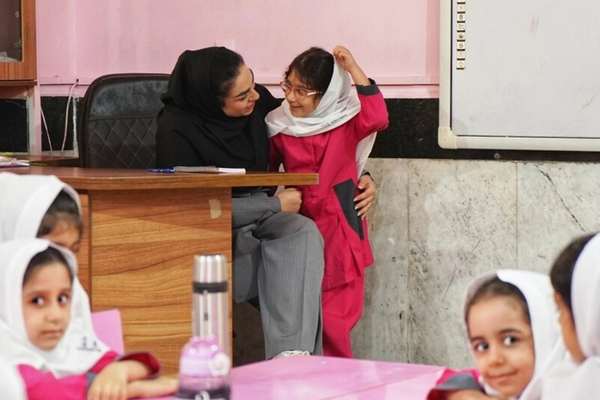
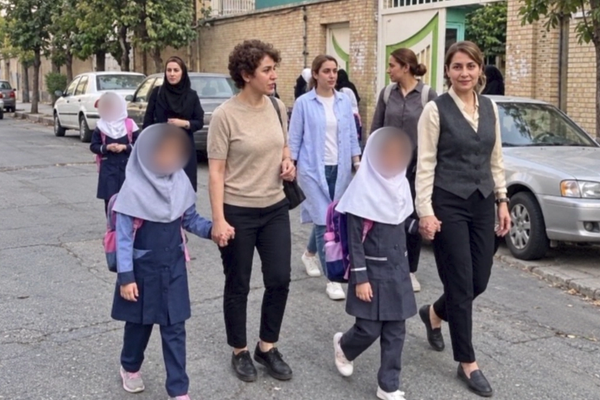
Millions of Iranian students saw remote schooling disrupted by internet outages and failures on the state-run online education platform during more than two months of school closures, renewing criticism of Iran’s virtual education system.

Dental treatment costs in Iran have surged in recent months, with industry officials warning that inflation and rising import costs are pushing basic care beyond the reach of many households.

Pressure on Iran’s housing market is pushing a rise in shared living arrangements in small urban apartments, with landlords and tenants increasingly dividing limited space to cope with rising rents and mortgage costs, according to local media.

Severe shortages of opium syrup are disrupting addiction treatment across Iran, Shargh daily reported on Sunday, raising fears that thousands of recovering drug users could return to narcotics use as clinics struggle to secure supplies of a key maintenance medication.

Iran’s deepening economic crisis is pushing cafés and coffee culture toward collapse, as soaring prices and falling incomes force both businesses and customers to cut back.

Iran’s Education Ministry said Quran-related activities and prayer programs are continuing online as schools remain virtual, with 200 school for memorising Qur'an set to open this year.

Fuel shortages and tighter rationing are pushing drivers across Iran into a growing gasoline black market, with citizens describing long lines at gas stations and sharply inflated prices in messages sent to Iran International.

President Masoud Pezeshkian has ordered the creation of a special committee to end Iran’s internet blackout, but many Iranians doubt it can overcome resistance from powerful state institutions.

A series of overnight earthquakes and a powerful dust storm rattled Tehran and nearby cities on Tuesday night, reviving fears of a catastrophic earthquake in a capital still psychologically scarred by recent war.

More Iranians are moving back in with family or taking on roommates after losing jobs and struggling to keep up with rising rents in major cities, according to messages sent to Iran International.
A series of tremors in and around Tehran late Tuesday stirred shock, dark humor and political despair among residents, with some initially mistaking them for renewed US-Israeli strikes.

Some Iranians say security bodies blocked their internet or SIM cards over alleged online activity against the Islamic Republic, then demanded pro-government posts, written pledges and guarantors to restore access, according to messages sent to Iran International.
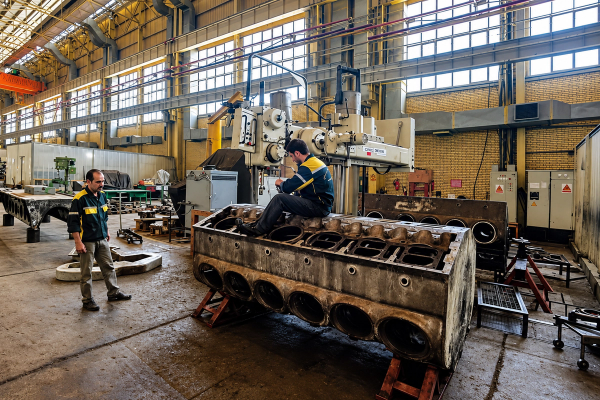
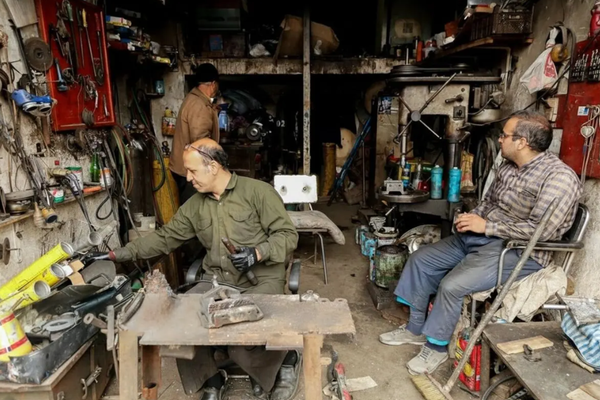
Businesses across Iran are cutting jobs, scaling back operations and facing possible closure as internet disruptions, inflation and the economic fallout from war deepen pressure on employers and consumers, according to messages sent to Iran International.

Millions of people in Iran have spent more than 70 days dealing with widespread internet disruptions and restrictions that many residents say have disrupted their work, healthcare, daily lives and mental well-being.

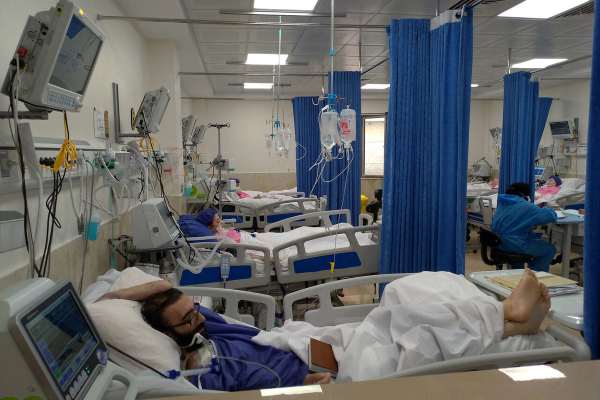
Prices for some medicines in Iran have surged by as much as 400% and pharmacies are struggling to supply critical drugs to patients, a pharmacists’ association official said on Sunday.

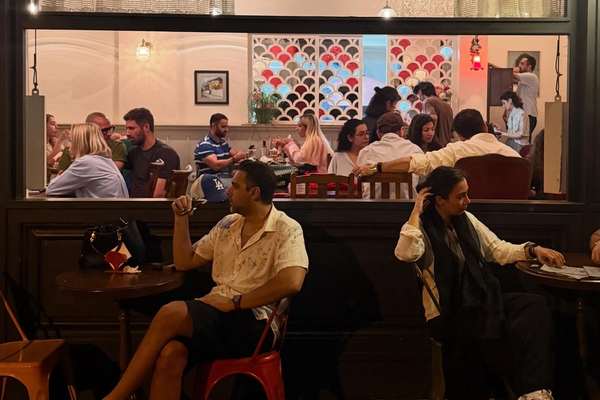
On Sanaei Street in central Tehran, young people spill onto pavements and crowd around tiny tables late into the evening, smoking and laughing as if the war never happened.

The war has pushed relations between Iran and the United Arab Emirates close to rupture, disrupting one of the region’s most important commercial relationships and leaving ordinary Iranians who built lives and businesses caught in the fallout.

Renewed deal talk between Washington and Tehran has angered many Iranians, who questioned in messages to Iran International whether another agreement would reward the Islamic Republic while ordinary people bear the cost.

Washington and the tech industry have the means to help Iranians: expand the tools that bypass censorship and raise the price Tehran pays for shutting the internet down.