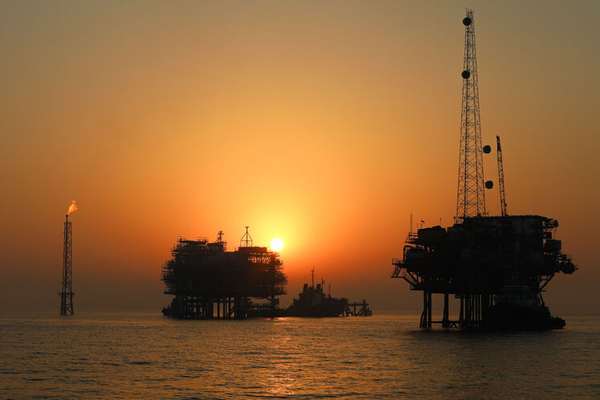
Israel’s South Pars strikes push Iran conflict into energy war
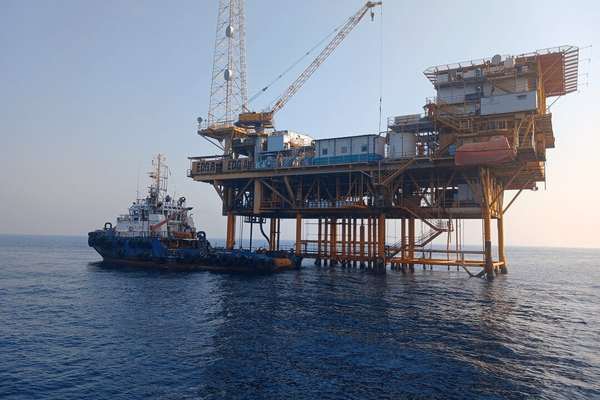
Israel’s strikes on Iran’s gas facilities mark a shift in the conflict from military confrontation to economic warfare centered on energy.

Israel’s strikes on Iran’s gas facilities mark a shift in the conflict from military confrontation to economic warfare centered on energy.

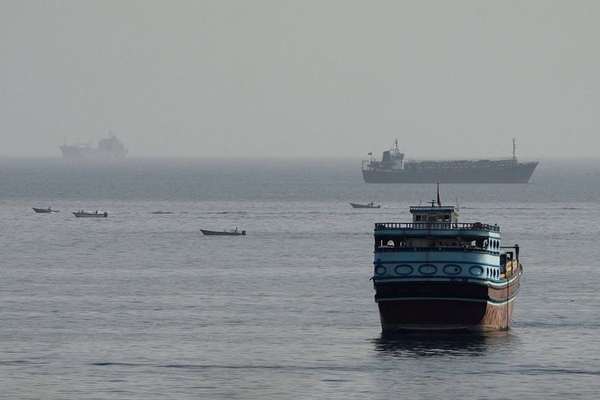
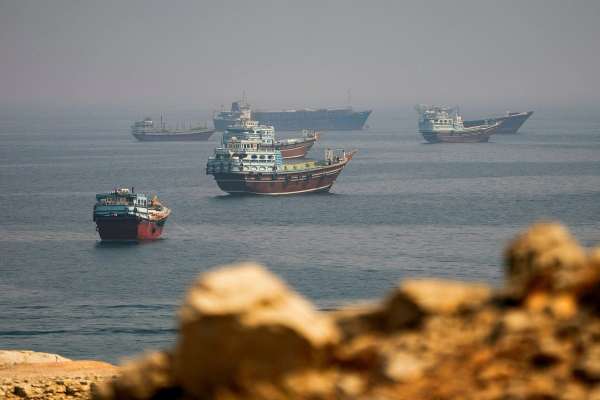
US President Donald Trump is working to assemble a multinational coalition to reopen the Strait of Hormuz as Iran’s blockade of the strategic waterway continues to disrupt global energy flows, according to a report by Axios.
While Iran has effectively choked off oil exports by its Arab neighbors through the Strait of Hormuz, it has continued shipping its own crude largely uninterrupted.
Iran is still loading about 1.5 million barrels of crude a day in March while China is receiving about 1.25 million barrels daily, Kpler data show, even as days of Iranian pressure around the Strait of Hormuz and rising prices force consuming nations to tap emergency reserves.

Failure to restore shipping through the Strait of Hormuz is beginning to show what prolonged disruption could mean for global energy markets.

Iran’s Revolutionary Guards threatened to choke off Middle East oil flows on Tuesday if US and Israeli attacks continue, but crude prices fell after President Donald Trump suggested the war with Iran may soon wind down.

China is pressing Iran to avoid disrupting shipping through the Strait of Hormuz, particularly energy exports from Qatar, as conflict in the region threatens global supplies, Bloomberg reported.

Iran has shown it can disrupt regional energy flows. What remains far less clear is whether it can use that leverage to shape the outcome of the conflict in its favor.

Reports in major outlets that Tehran has floated a “commercial bonanza” to the Trump administration should be understood less as an investment roadmap than as a survival strategy.

China appears to be replacing disrupted Venezuelan oil shipments with Russian crude rather than Iranian barrels, despite steeper discounts being offered by Tehran.

Escalating talk of war and renewed negotiations with the United States may dominate Iran’s political discourse, but the country’s deepening economic crisis is more present in daily life—and no less likely to drive change.

More than 107.8 trillion rials ($66.5 million) in retail money has flowed out of the Tehran Stock Exchange over the past 24 trading sessions, marking what analysts describe as a new phase of liquidity depletion driven by political uncertainty and fears of military escalation.

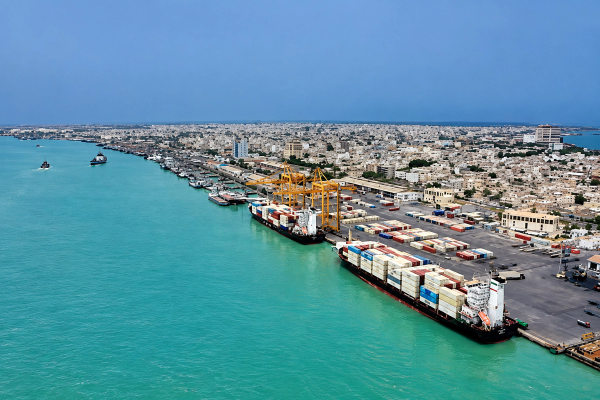
Iran’s Shipping Association has denied reports that vessels are no longer departing from Jebel Ali – the UAE’s biggest container port – and other regional hubs for Iran, Tasnim news agency reported.

Iran stands at a pivotal moment. If political change brings institutional reform, the country could break decades of stagnation and return to sustained growth. But without credible governance, any transition risks replacing one failed equilibrium with another.

Escalating tensions between the United States and Iran sent oil prices sharply higher and kept gold near record levels on Thursday, as investors weighed the risk of a prolonged conflict in the Middle East and its impact on global markets.

Capital flight from Iran is accelerating just as oil revenues decline, according to new data from the Central Bank of Iran—a convergence that helps explain the sharp fall of the national currency in recent months.

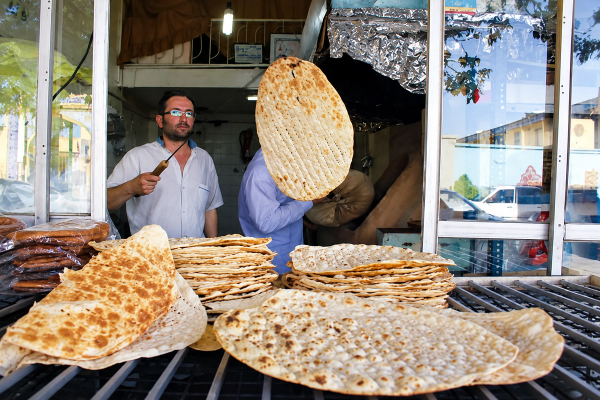
Rising bread prices have become a growing source of concern within Iran’s political establishment, with warnings that further increases could trigger unrest as inflation erodes living standards.

Iran’s oil exports declined sharply at the start of 2026, new tanker-tracking data show, raising fresh questions about the durability of Tehran’s most important economic lifeline under renewed US sanctions pressure.

Iran will allow importers of basic goods to receive and sell oil cargoes from next year under an expanded barter scheme aimed at securing essential supplies, Agriculture Minister Gholamreza Nouri Ghezeljeh said on Sunday.

US President Donald Trump and Israeli Prime Minister Benjamin Netanyahu agreed at a White House meeting this week to increase economic pressure on Iran, including efforts to curb its oil exports to China, Axios reported.

Iran International has obtained information alleging that senior Iranian diplomats transported large amounts of cash to Beirut in recent months, using diplomatic passports to move funds to Lebanon’s Hezbollah.

Iran’s January protests were the predictable result of years of ignored economic and social warning signs, according to one of the country’s most prominent economists, who says the state failed to recognize how close society had come to the brink.