Vacuum in Tehran: who can fill Larijani's role?
The assassination of Ali Larijani has opened a rare gap at the center of Iran’s security system, raising immediate questions about who can replace him and whether anyone can perform the same role.

The assassination of Ali Larijani has opened a rare gap at the center of Iran’s security system, raising immediate questions about who can replace him and whether anyone can perform the same role.

The Israeli killing of Ali Larijani marks another blow to the Islamic Republic’s capacity for coordination, weakening an already fragmented system and raising the risk of miscalculation under pressure.
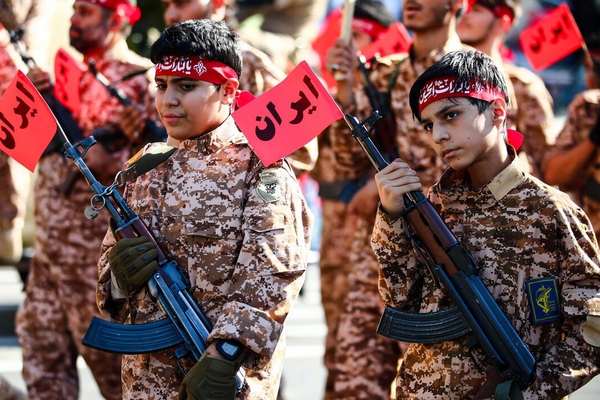
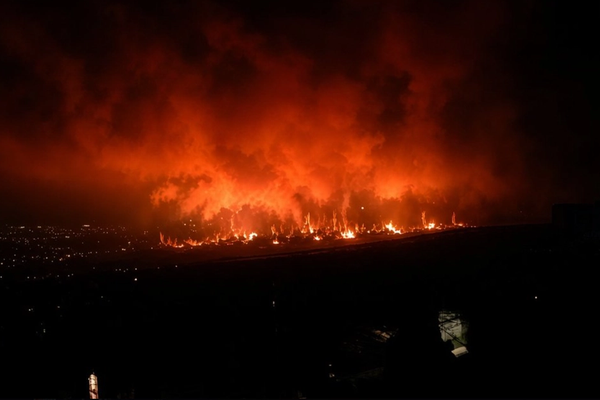
Authorities in Tehran have issued sweeping warnings ahead of Iran’s annual fire festival, Chaharshanbeh Suri, framing the centuries-old celebration as a potential flashpoint for unrest during wartime.
In a normal year, Iranian newspapers would now be filled with stories celebrating Nowruz, the Persian New Year beginning March 20. But with war raging across Iran, front pages are instead dominated by headlines about security and survival.

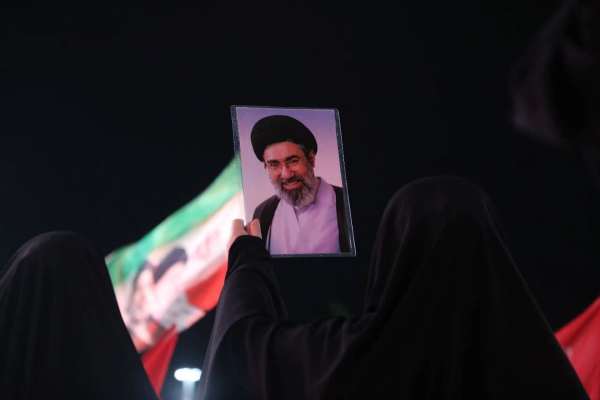
The mystery surrounding Iran’s new supreme leader may reveal more about the Islamic Republic’s power structure and the role of the Revolutionary Guards than Mojtaba Khamenei himself, analysts said on the Eye for Iran podcast, as Khamenei Jr remains unseen.

As Mojtaba Khamenei’s first public message was delivered Thursday following days of absence, Iranian newspapers and semi-independent websites moved to reinforce his image as a wartime leader.

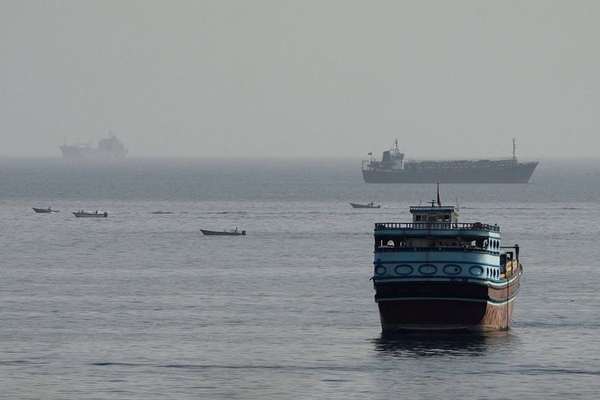
Iran’s new Supreme Leader Mojtaba Khamenei, in the first message attributed to him, called for continued military resistance and said the Strait of Hormuz should remain a tool of pressure, even as questions persist about his health and whereabouts.

Iran’s new supreme leader Mojtaba Khamenei inherits not merely his father’s office but also the constitutional ambiguities and political compromises that accompanied Ali Khamenei’s own controversial elevation nearly four decades earlier.

Iran’s state media has moved quickly to frame the leadership transition not as a rupture but as proof of institutional resilience, shifting its messaging from wartime urgency to carefully managed continuity.

Two days after he was announced as Iran’s new Supreme Leader, Mojtaba Khamenei remains absent from public view, raising questions his swift selection was meant to pre-empt.

Mojtaba Khamenei’s rise to power amid a war with Israel and the United States—in which his parents, wife and a daughter were killed—has led many to wonder whether his leadership will be shaped more by vengeance than by strategy or reconciliation.

By elevating Mojtaba Khamenei—a figure most Iranians have never heard speak—the Islamic Republic has completed a long drift away from popular legitimacy.

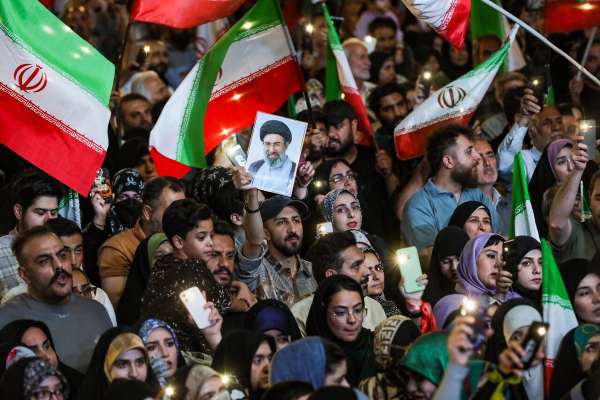
Mojtaba Khamenei, long known as the discreet and powerful son of slain Ayatollah Ali Khamenei, was announced early Monday as Iran’s new Supreme Leader at a time when the country is at war and Israel has openly vowed to target any successor to his father.

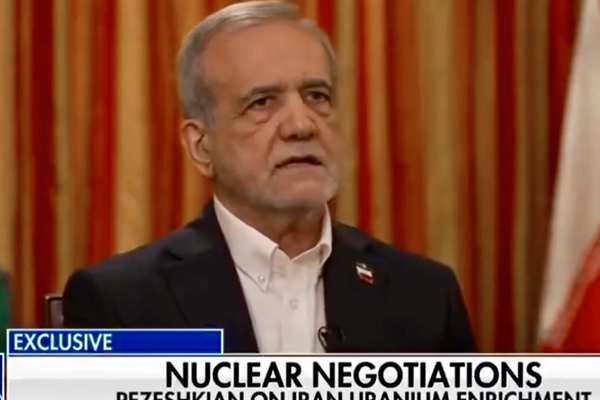
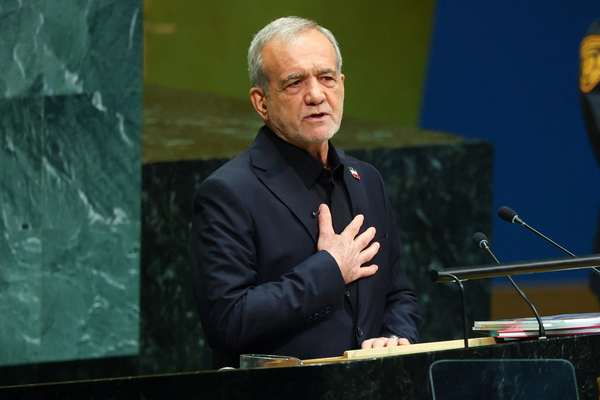
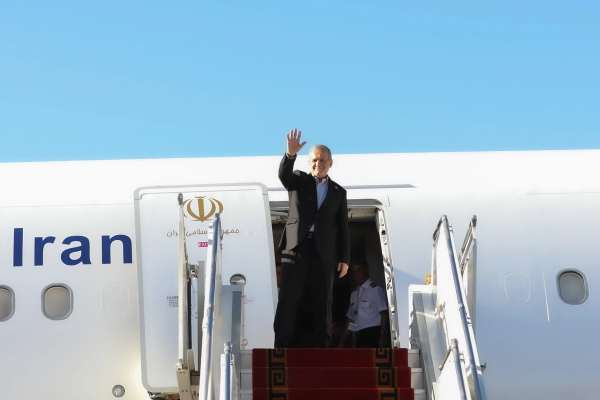
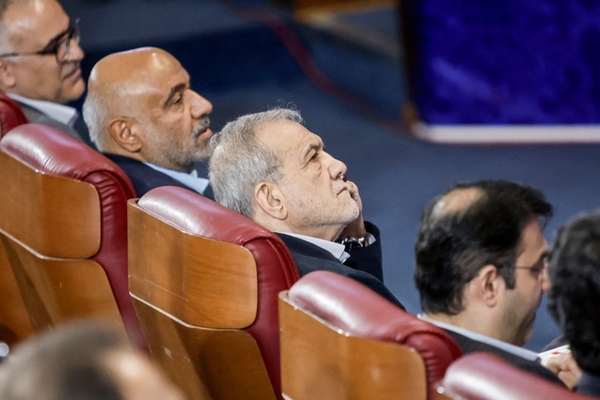
President Massoud Pezeshkian is facing growing criticism from political figures and analysts for failing to seize what some viewed as a rare opportunity to de-escalate the regional conflict while repairing the state’s broken relationship with Iranians.

Funeral plans for Iran’s former Supreme Leader Ali Khamenei have been revised multiple times this week, reflecting mounting security fears, uncertainty over foreign attendance and unresolved questions about succession.

The killing of Iran’s Supreme Leader Ali Khamenei has triggered celebrations among many Iranians, but analysts say the moment marks not an endpoint but the beginning of a new and highly consequential chapter for the Islamic Republic.

With Iran at war and its supreme leader dead, Tehran faces a delicate question: whether to appoint a successor quickly to project continuity, or delay the decision to avoid presenting a new leadership target to its enemies.

The death of Iran’s Supreme Leader Ali Khamenei has thrust a rather obscure figure into the center of the country’s uncertain political future.

Recent reports in Western outlets on alleged shifts inside Iran’s ruling establishment—particularly the growing role of Ali Larijani—have triggered a mix of denials, dismissals and cautious commentary in Tehran.

The anxiety splashed across the front pages of Tehran outlets on Thursday did little to quiet the bluffs, threats and illusions that have defined a week of anticipation over possible Israeli or US strikes on Iran.

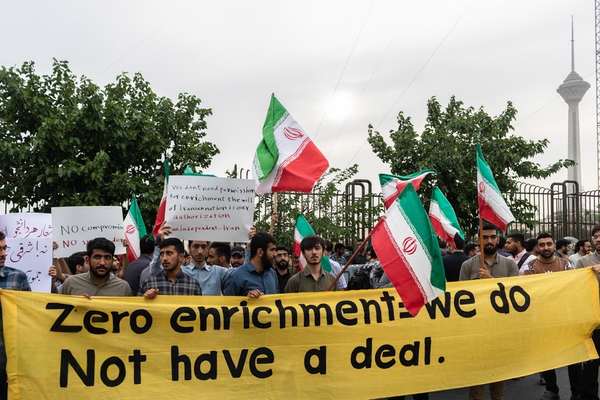
The mood in Tehran on the eve of the third round of talks with Washington appears to be a mix of guarded hope and tightening anxiety.

Tehran’s political commentariat continues to issue warnings about social fragmentation, economic collapse and recurring unrest, despite little sign that such appeals are influencing decision-makers at the top.