The negotiations, mediated by Omani Foreign Minister Sayyid Badr Albusaidi, bring together US envoys Steve Witkoff and Jared Kushner and an Iranian delegation led by Foreign Minister Abbas Araghchi. The talks are expected to focus on uranium enrichment levels, sanctions relief and the economic benefits Iran seeks in return.
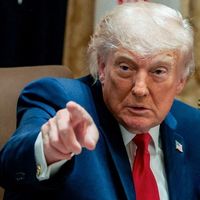
US President Donald Trump said he would be involved “indirectly” and signaled that Tehran may be open to a deal.
“I don’t think they want the consequences of not making a deal,” Trump told reporters aboard Air Force One on Monday, referring to previous US B-2 bomber strikes on Iranian nuclear targets last year. “We could have had a deal instead of sending the B-2s in.”
Yet even as diplomacy proceeds, the Pentagon is preparing for the possibility of weeks-long military operations should Trump order an attack, two US officials told Reuters.
Iran began military drills in the Strait of Hormuz on Monday, signaling the risk of confrontation in one of the world’s most critical oil shipping lanes.
The talks follow a failed attempt to revive negotiations last June that collapsed after Israel launched an air campaign against Iran, later joined by US strikes on nuclear facilities. Tehran says it has since halted uranium enrichment, though Western powers remain skeptical.
Iran enters the talks weakened by months of anti-government protests, suppressed at the cost of tens of thousands of lives, and by a sanctions-driven economic crisis that has sharply reduced oil revenues.
At the same time, Washington has deployed what Trump has described as a “massive” naval presence in the region.
Iran insists the negotiations must remain strictly nuclear in scope and has ruled out discussing its ballistic missile program, its support for regional militia groups or abandoning enrichment entirely. US officials have sought to broaden the agenda beyond nuclear issues.
On Monday, Araghchi met International Atomic Energy Agency chief Rafael Grossi in Geneva to discuss cooperation with the UN watchdog and technical aspects of the talks.
Iran says full sanctions relief is an essential component of any agreement, and the presence of economic and technical advisers in its delegation reflects that priority.