• العربية
  • فارسی
Brand
  • Iran Insight
  • Politics
  • Economy
  • Analysis
  • Special Report
  • Opinion
  • Podcast
  • Iran Insight
  • Politics
  • Economy
  • Analysis
  • Special Report
  • Opinion
  • Podcast
  • Theme
  • Language
    • العربية
    • فارسی
  • Iran Insight
  • Politics
  • Economy
  • Analysis
  • Special Report
  • Opinion
  • Podcast
All rights reserved for Volant Media UK Limited
volant media logo
VOICES FROM IRAN

Bread shortages, soaring prices strain households in Iran, residents say

Hooman Abedi
Hooman Abedi

Iran International

Apr 20, 2026, 21:24 GMT+1Updated: 16:11 GMT+1
File photo of a baker arranging Barbari flatbread at a traditional bakery in Iran.

Bread shortages and steep price hikes are undermining access to a key staple for many in Iran, with citizen accounts received by Iran International describing long lines, flour shortages and prices far exceeding official rates.

“Many bakeries are facing flour shortages and cannot keep up with long lines of customers,” a resident from Malard west of Tehran said.

Another account said: “Right after the war, bread prices doubled. Barbari (a type of Iranian bread) is now 250,000 rials and Sangak is 350,000. Subsidized flour has been removed.”

The reported prices are far above official rates, with the latest approved price for Sangak at about 76,000 rials and Barbari around 55,000.

April 20 marks National Wheat and Bread Day in Iran, meant to highlight the central role of wheat in daily life, but accounts point to worsening conditions for a basic staple.

Conflicting claims on wheat supply

Wheat self-sufficiency has long been a goal promoted by many officials of the Islamic Republic. The first celebration of wheat self-sufficiency was held on November 16, 2004, during the presidency of Mohammad Khatami.

However, this self-sufficiency did not continue in subsequent years for various reasons, including water shortages, and Iran remained reliant on wheat imports. Still, the aspiration for self-sufficiency has continued to be repeated in officials’ statements.

Now, 22 years after the first “self-sufficiency celebration,” as buying bread is becoming an economic challenge for citizens, Ataollah Hashemi, head of the National Wheat Farmers Foundation, has once again reiterated the goal. Speaking on Saturday, April 18, he said: “The country will not need to import wheat this year.”

Yet official customs data shows Iran imported about 2.75 million tons of wheat worth nearly $1 billion in the 10 months to February 2026. The imports were sourced largely from Russia, as well as through intermediaries such as the United Arab Emirates and Turkey.

The reliance on intermediaries, which are not major wheat exporters themselves, points to complications tied to banking restrictions and payment channels, increasing costs through additional transport and fees.

The gap between official statements and import figures raises questions about the sustainability of domestic production and the credibility of self-sufficiency statements.

100%
File photo of a baker handing stacks of Sangak flatbread to customers at a neighborhood bakery.

Rising costs and policy pressures

Bread prices have increased across provinces in the current Iranian year that began on March 21, following subsidy cuts and the move toward a single flour pricing system. Prices now vary depending on flour type and region, with some bakeries selling above official rates.

Despite parliament approving a budget that allocates more than 5,000 trillion rials (over $3 billion) for bread subsidies, no new national price list has been issued for the current year. As a result, last year’s rates remain in effect, while enforcement appears inconsistent.

Inflation and shortages

Before the latest conflict and US-Israeli strikes, annual inflation had already exceeded 70 percent, with food inflation reaching triple digits. Official data shows bread and cereals recorded year-on-year inflation of about 140 percent.

The removal or reduction of subsidized flour in parts of the market has added to the pressure, with more bakeries operating under higher-cost “free flour” systems.

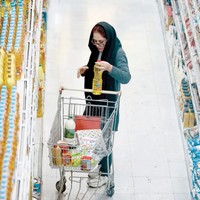
Citizen reports suggest the combined impact of shortages and rising prices is becoming more visible. Long queues at bakeries and inconsistent supply have emerged alongside sharp increases in retail prices.

For many households, bread remains a primary food source, making these changes particularly significant.

The accounts from Tehran and other areas point to a broader strain across the country, where access to basic goods is increasingly shaped by rising costs, uneven supply, and policy shifts that have yet to stabilize the market.

Most Viewed

Iran bears biggest economic cost of Hormuz closure
1
ANALYSIS

Iran bears biggest economic cost of Hormuz closure

2

Ali Khamenei was killed at meeting on protest crackdown - security-linked outlet

3

Iran uses migrant smuggling routes to place operatives in Britain - Telegraph

4
INSIGHT

Cafés close, tolerance ends: Iran’s post-war shift on compulsory hijab

5
PODCAST

Is Iran using the US war to accelerate executions and silence dissent?

Banner
Banner
Banner

Spotlight

  • Iran is living through America’s 2022 inflation shock almost every month
    ANALYSIS

    Iran is living through America’s 2022 inflation shock almost every month

  • Is Iran using the US war to accelerate executions and silence dissent?
    PODCAST

    Is Iran using the US war to accelerate executions and silence dissent?

  • Tehran braces for possible new phase of war
    INSIGHT

    Tehran braces for possible new phase of war

  • Cafés close, tolerance ends: Iran’s post-war shift on compulsory hijab
    INSIGHT

    Cafés close, tolerance ends: Iran’s post-war shift on compulsory hijab

  • Iran bears biggest economic cost of Hormuz closure
    ANALYSIS

    Iran bears biggest economic cost of Hormuz closure

  • Russia’s gasoline imports add pressure to Iran’s strained fuel market
    ANALYSIS

    Russia’s gasoline imports add pressure to Iran’s strained fuel market