A Dam And An Ancient Capital In Iran Have No Water Left

Maryam Sinaiee
Iran International

Residents in the ancient Iranian capital, Hamedan, are grappling with severe water shortage, sometimes going without any water for as long as 24 hours.
Iran International
Residents in the ancient Iranian capital, Hamedan, are grappling with severe water shortage, sometimes going without any water for as long as 24 hours.
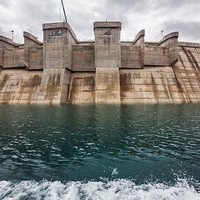
The crisis which has seriously affected the everyday lives of the majority of the city’s nearly 600,000 population in the past few days, has been attributed to the critical depletion of the water in the Ekbatan Dam reservoir, with zero inflows.
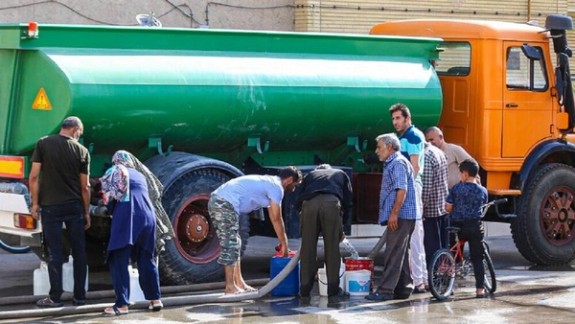
With nothing in the pipes, water for drinking and other purposes is now being distributed by tanker trucks. Iran’s Red Crescent has also been distributing bottled water in the city.
A month ago, during a visit to Hamedan, capital of a province of the same name, President Ebrahim Raisi ordered the related authorities to solve the city’s water problem within two months.
In recent years, many cities across the country have been scenes of massive protests to the authorities’ mismanagement of water resources, harmful dam building, and politically motivated diversion of rivers that have devastated agriculture and drinking water sources. Also, there is rising temperatures and sand storms, expert attribute to global warming.
in July 2021 big crowds protested in over a dozen cities and towns in the southwestern province of Khuzestan where at least 700 villages were receiving regular supplies of water by tanker trucks.
In July 2021, Protests over water shortages in Khuzestan lasted for more than a week and it spread to several neighboring and nearby provinces including Chahar Mahal-Bakhtiari, Esfahan, Lorestan, and Bushehr.
Later in November water protests in the city of Isfahan, the capital of the central province of Esfahan, turned into anti-government unrest. Security forces cracked down on protesters with heavy handed tactics and many were injured by shotgun pellets.
Earlier this month, a large group of people in the city of Shahrekord in southwest Iran held a protest rally after nine days with no piped water. Officials said the problem stemmed from the recent flash floods in the region and the lack of any water treatment plant for the province. Water has been cut in Shahrekord, and four other cities due to the recent floods and increased water turbidity.
Ironically, despite a dam-building craze in the past 30 years, most of the water from this summer’s exceptional monsoon rains was lost in plains and deserts.
Iran is in the midst of a long drought that has become worse in the past couple of years. Ninety-seven percent of Iran’s land is arid or semi-arid.
The rapid growth in demand for water has led to severe depletion of available sources. The annual renewable water availability per capita reached a crisis level in 2021. Studies by the United Nations Development Program (UNDP) indicate that by 2040 Iran is likely to face a severe water stress level.
Several human factors, experts say, are contributing to the worsening situation: population growth, industrial demand, mismanagement of water resources including allocation to water-intensive industries, and planting many water-intensive crops including rice and sugarcane.
Steel mills are particularly blamed for draining available water resources. Most of Iran's largest steel factories are in arid regions such as Esfahan, Yazd, and Kerman provinces despite the very high water usage in steel production.
Critics blame Iran's development model, or lack of one, in the past few decades and unbalanced sectoral growth for much of the water crisis in the country.
Iran is also among the ten countries in the world that extract most groundwater and a hotspot of land subsidence induced by groundwater withdrawal.