• العربية
  • فارسی
BrandBrand
  • Iran Insight
  • Politics
  • Economy
  • Analysis
  • Special Report
  • Opinion
  • Podcast
  • Live TV
  • Iran Insight
  • Politics
  • Economy
  • Analysis
  • Special Report
  • Opinion
  • Podcast
  • Live TV
  • Theme
  • Language
    • العربية
    • فارسی
  • Iran Insight
  • Politics
  • Economy
  • Analysis
  • Special Report
  • Opinion
  • Podcast
  • Live TV
All rights reserved for Volant Media UK Limited
volant media logo

Despite Government Claims Iran’s Non-Oil Exports Stagnant

Maryam Sinaiee
Maryam Sinaiee

Iran International

Aug 7, 2022, 17:17 GMT+1Updated: 17:31 GMT+1
Imam Khomeini Port in the south-western Khuzestan province

Iran’s government claims it has increased non-oil exports, but official figures show more revenues are the result of higher global prices, not more shipments.
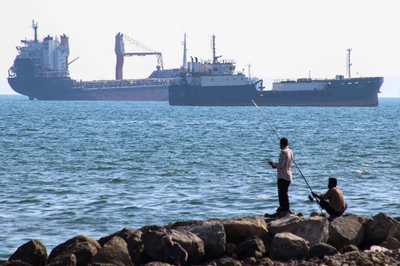

According to the latest figures released by Iran’s Customs Organization, value of non-oil exports has increased in the past four months,but the actual volume has remained the same.

The latest figures released by the Customs Organization show Iran exported 35.6 million tons of commodities worth $17.2 billion in the first four months of the Iranian year (March 21-July 21). This is 22 percent higher in value than in the same period last year.

The average price of exported goods, according to the same report, stood at $505 per metric ton which was up by 24.6% in comparison with the same month in the previous year. The weight of exported goods during the same period, however, decreased by 10%.

In the Iranian calendar month of Farvardin (March 21 to April 20), Iran’s exports to its top five destinations -- China (35%), Iraq (11.5%), The United Arab Emirates (18%), Turkey (9.75%) and Afghanistan (9.2%%) -- made up 77.1% of the country’s total non-oil exports.

The increase in foreign trade is due to the higher monetary value of goods in international markets after the breakout of war in Ukraine rather than the volume of exported goods, chairman of Iran-China chamber of commerce, Majidreza Hariri, told reformist Arman-e Melli newspaper.

“An increase in exports would be significant only when the weight of exported goods was higher and the goods were exported to a wider range of destinations,” Hariri said.

However, the hardliner government and its supporters are hard pressed to show economic success as annual inflation has reached 54 percent in recent months making life extremely hard for lower and missile classes. Food price inflation is actually close to 100 percent.

Referring to the impact of US oil export sanctions, Meysam Mehrpour, economic expert, told Mehr news agency last week that planning the country's economy cannot be based on oil revenues because of US sanctions and fluctuating oil prices, so the best way to remedy trade imbalance would be increasing non-oil exports.

Mehrpour also said Iran generally exports its surplus food and agricultural products but there are usually no long-term export plans in place in regards to production, which prevents Iran from becoming a powerful exporter with stable and sustainable export capabilities.

Iran’s oil exports dropped to less than 300,000 bpd in 2019, a year after the United States pulled out of the 2015 nuclear agreement and imposed sanctions. In January President Ebrahim Raisi said his government had increased oil exports by 40 percent and the volume of oil exports now stands at around 700-800 thousand barrels p/d.

Officials claim income from oil exports was up 580% in the first four months of the current Iranian year compared with the same period a year ago. It is hard to explain this bizarre claim even if exports increased by 40 percent and oil prices by 30 percent since January.

Experts say higher revenues from oil and other exports last year were largely offset by a nearly 50% increase in capital flight which is estimated as $9.3 billion dollars in the 12 months ending in March.

US sanctions since 2018 have drastically impacted Iran’s economy. Last week, Hariri told the Iranian Student News Agency (ISNA) in an interview that Iran would need 8 years to regain the economic status of 2010 even if it maintains an annual growth rate of 8 percent throughout the coming years.

Most Viewed

Tanker loads Iranian crude in Persian Gulf as Tehran weighs resuming exports
1

Tanker loads Iranian crude in Persian Gulf as Tehran weighs resuming exports

2
ANALYSIS

A tough winter for Iran's cement industry, a tougher one for steel

3

Killing of Iranian schoolgirl sparks calls for legal reform

4

Iran's wartime rallies turn against officials, fuel political feuds

5
INSIGHT

Ayatollah's death at 105 sparks ridicule over clerics' longevity

Banner

Spotlight

  • A test of power: Who will control Iran's state TV?
    INSIGHT

    A test of power: Who will control Iran's state TV?

  • GTA 6 costs, slow internet frustrate Iranian gamers, fuel satire

    GTA 6 costs, slow internet frustrate Iranian gamers, fuel satire

  • A tough winter for Iran's cement industry, a tougher one for steel
    ANALYSIS

    A tough winter for Iran's cement industry, a tougher one for steel

  • Tehran seizes on NYT dam report to widen retaliation threats

    Tehran seizes on NYT dam report to widen retaliation threats

  • How Iranians are turning grief into defiance
    OPINION

    How Iranians are turning grief into defiance

  • Iran could launch dirty-bomb attack, but risks make it unlikely
    ANALYSIS

    Iran could launch dirty-bomb attack, but risks make it unlikely

Banner
Banner
Banner
Banner
Banner
Banner