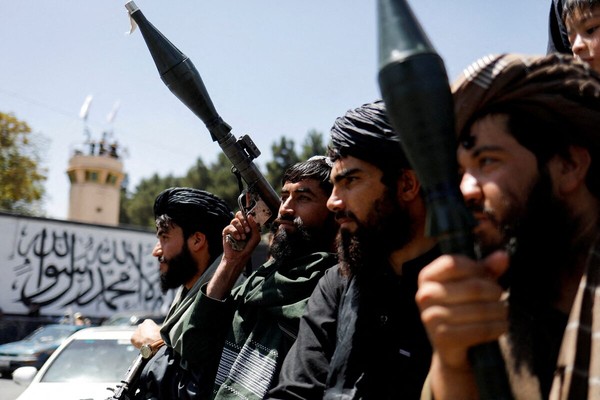
The strange stability between Tehran and the Taliban
The relationship between the Taliban and Iran, once marked by military confrontation and nearly pushed to war, is now defined by caution and quiet engagement.
The relationship between the Taliban and Iran, once marked by military confrontation and nearly pushed to war, is now defined by caution and quiet engagement.
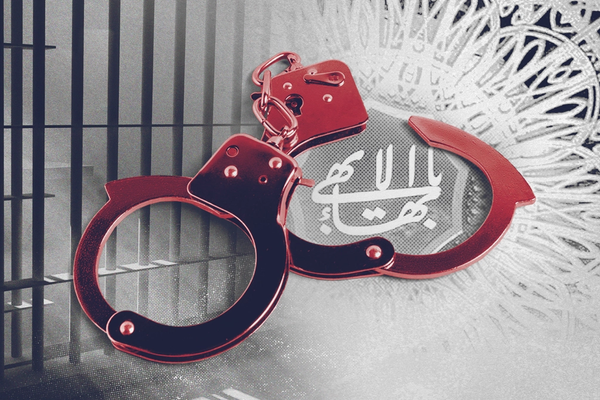
Iran’s security and judicial authorities have stepped up a crackdown on the Baha’i religious minority with arrests, home raids, and property seizures across several cities in the country, people familiar with the matter told Iran International.
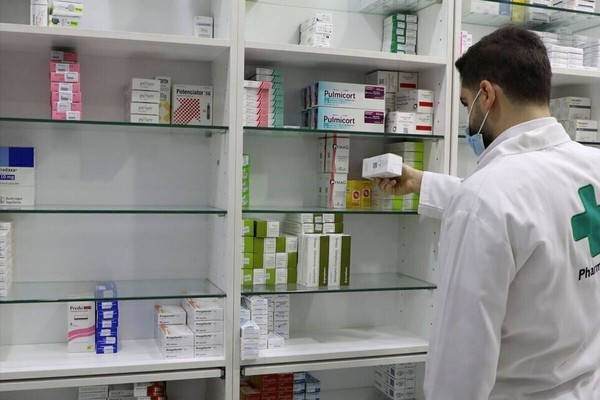
Prices for some medicines in Iran have surged by as much as 400% and pharmacies are struggling to supply critical drugs to patients, a pharmacists’ association official said on Sunday.
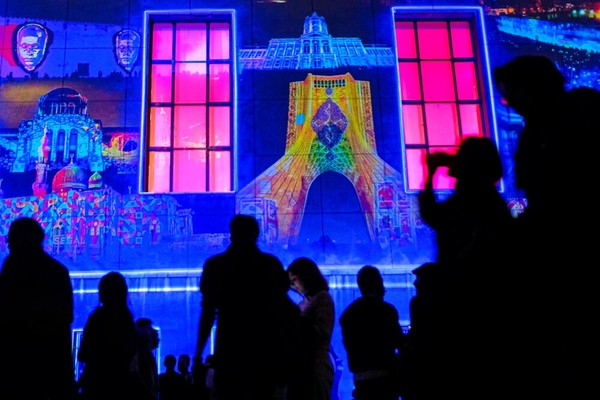
On Sanaei Street in central Tehran, young people spill onto pavements and crowd around tiny tables late into the evening, smoking and laughing as if the war never happened.
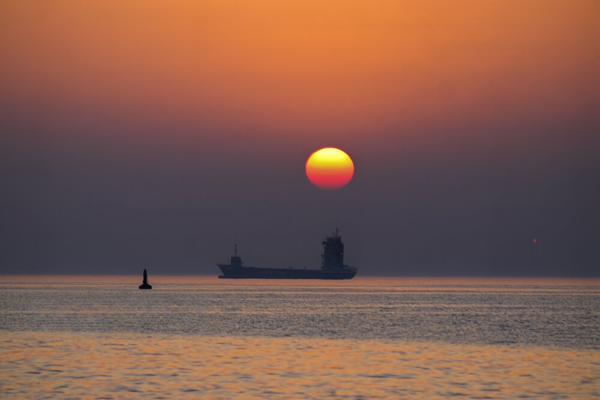
IRGC-linked media called for Iran to generate revenue from undersea internet cables passing through the Strait of Hormuz, framing the waterway not only as an energy and shipping chokepoint but also as a digital pressure point.
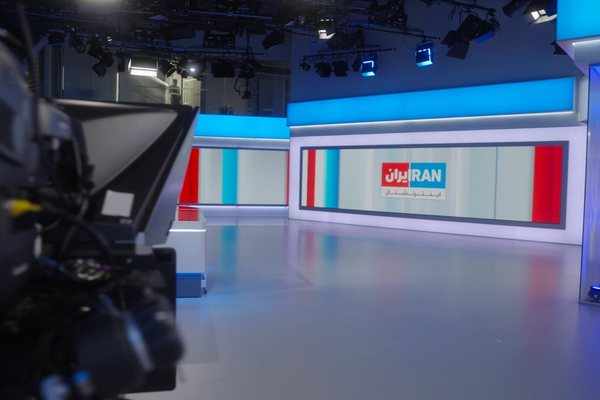
Iran International won four top prizes at the 2026 WAN-IFRA Digital Media Awards Middle East, with projects recognized for innovation, audience engagement, data visualization and participatory storytelling under repression.
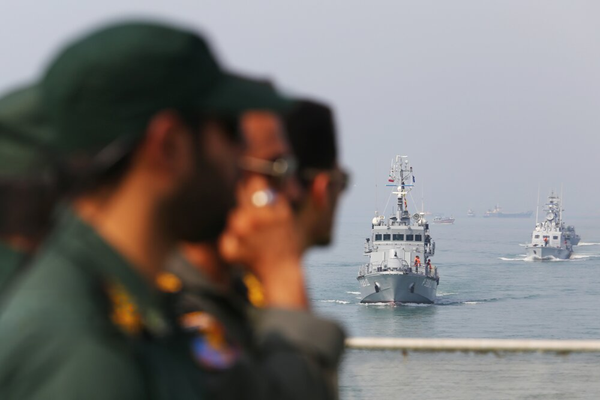
The shadow of a closed Strait of Hormuz no longer looms as a mere threat; it is a reality that has shattered the traditional foundations of the global energy market.
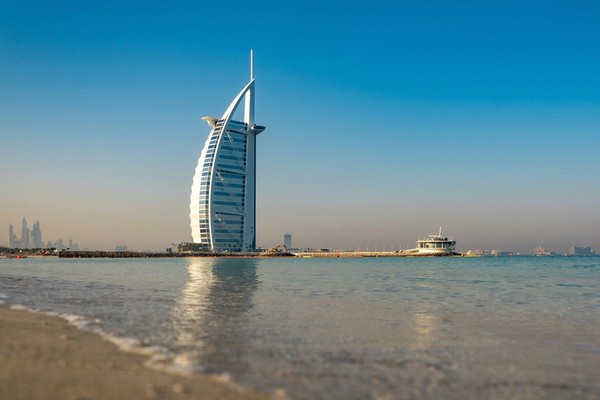
The war has pushed relations between Iran and the United Arab Emirates close to rupture, disrupting one of the region’s most important commercial relationships and leaving ordinary Iranians who built lives and businesses caught in the fallout.
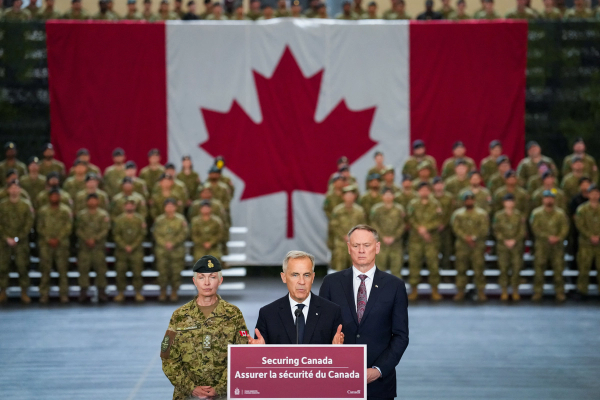
As tensions escalate in the Middle East, critics say Canada’s “values-based realism” has left Ottawa a passive observer rather than an influential middle power confronting Iran’s threats and regional crises.
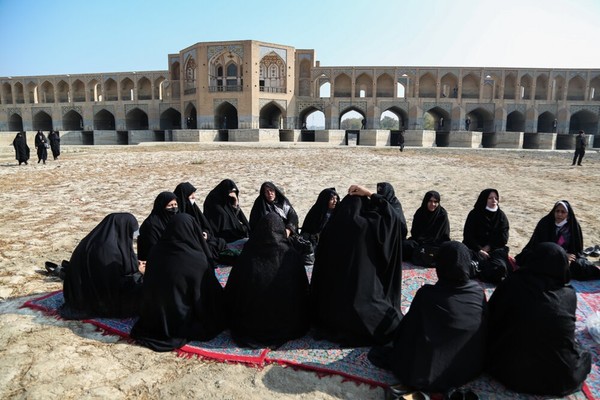
Iran’s water crisis is not only about scarcity or drought. It is also about where the Islamic Republic chooses to spend the country’s money, and what it leaves unfunded at home.
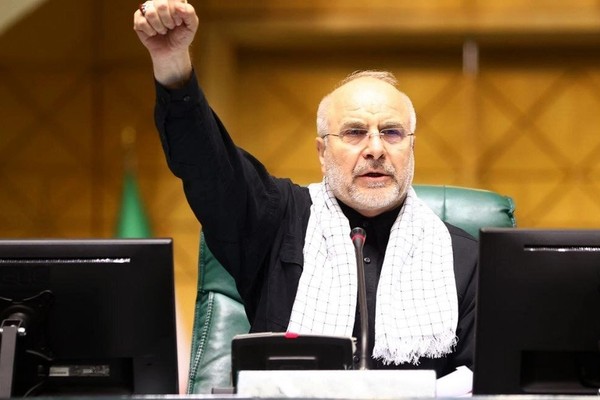
Parliament Speaker Mohammad Bagher Ghalibaf appears to be trying to solidify his position inside Iran’s fractured post-war leadership after recent weeks exposed the limits of assumptions that he had effectively emerged as the country’s de facto ruler.

Iranian activists are warning that a top aerospace graduate student sentenced to death on espionage charges may face imminent execution after being transferred from Tehran’s Evin prison to Ghezel Hesar prison, a facility associated with executions.
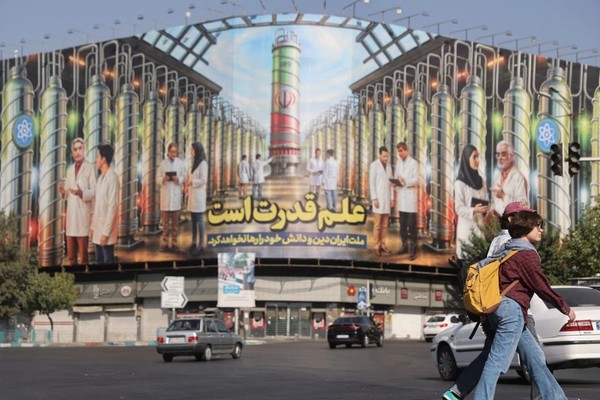
At least six Iranian nuclear sites were attacked in recent US and Israeli strikes, with most confirmed or suspected targets tied to work needed to build a nuclear weapon, a new satellite-imagery analysis by the Institute for Science and International Security shows.
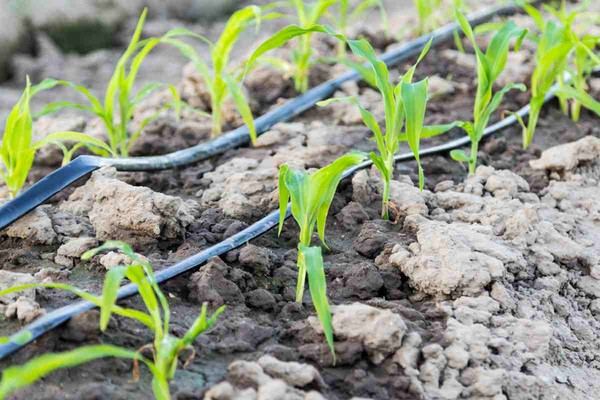
Rising fertilizer prices and shortages of basic work equipment are squeezing Iranian farmers, laborers and small business owners as inflation, unemployment and falling purchasing power deepen during the fragile ceasefire.
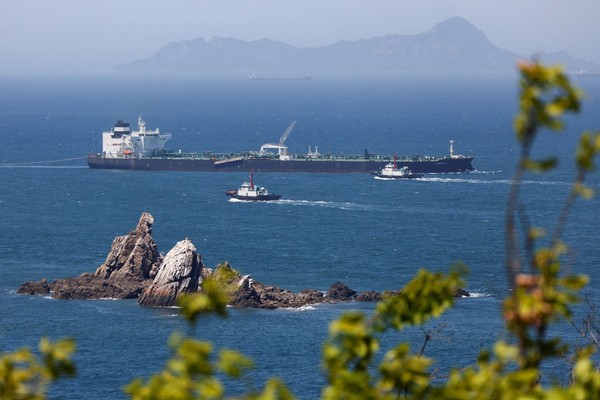
The US-Israel war with Iran has delivered bumper profits for major oil, banking and defense companies, even as the conflict and Iran’s effective closure of the Strait of Hormuz drive up costs for households, governments and businesses worldwide, the BBC reported.
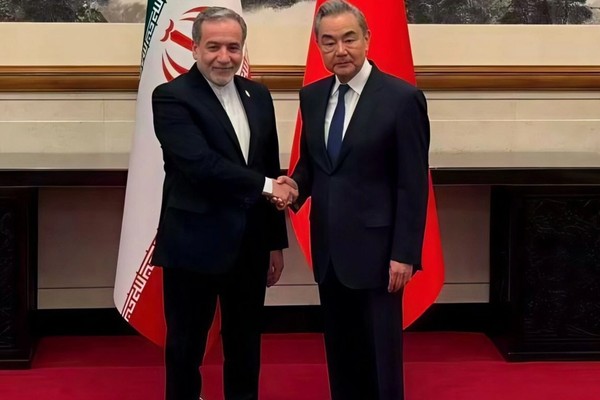
Iranian media have welcomed Beijing’s unusually sharp rhetoric in support of Tehran, portraying recent Chinese diplomacy as evidence of a deepening strategic partnership.
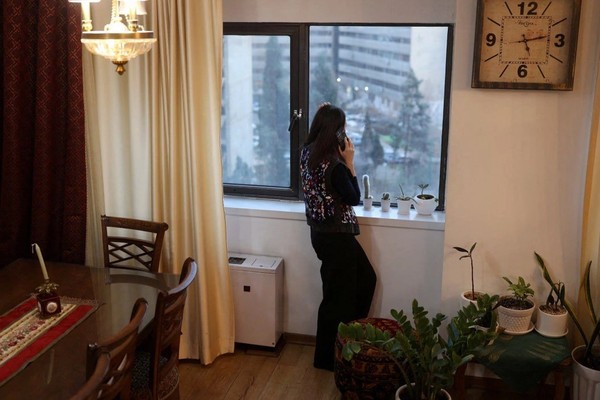
Many Iranians have been forced onto distrusted domestic apps after authorities cut global internet access, disrupting education and business while exposing users to slow speeds, censorship and surveillance fears.
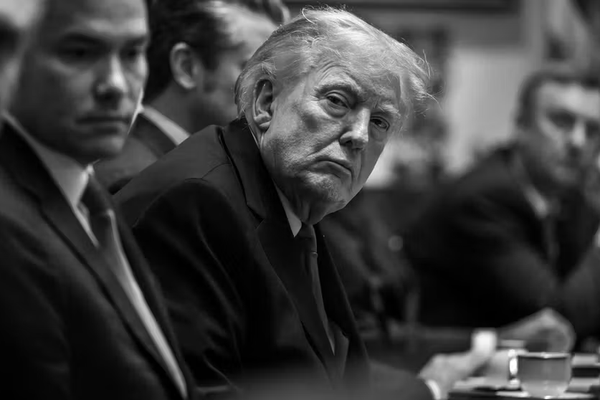
Renewed deal talk between Washington and Tehran has angered many Iranians, who questioned in messages to Iran International whether another agreement would reward the Islamic Republic while ordinary people bear the cost.
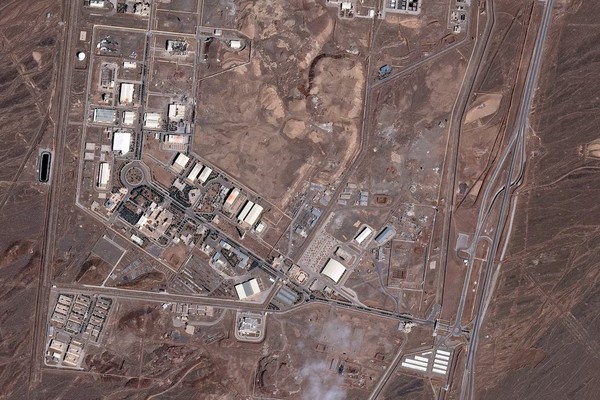
The Institute for Science and International Security said newly available satellite imagery appeared to show possible new defensive measures at Iran’s underground Pickaxe Mountain (Mount Kolang Gaz La) complex near the Natanz nuclear site.
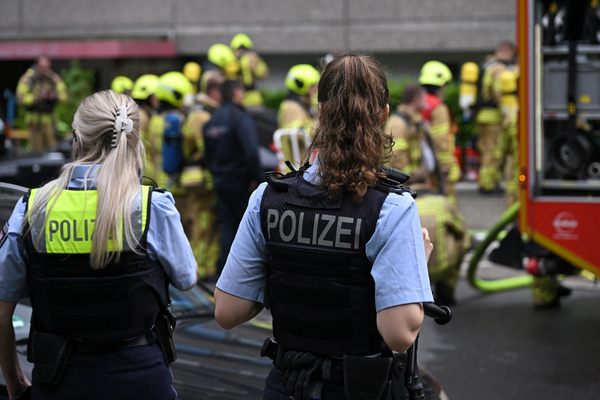
German intelligence officials have privately warned that the risk of Iran-linked attacks in Germany is more serious than the government has publicly acknowledged, according to senior German officials cited by the New York Times.
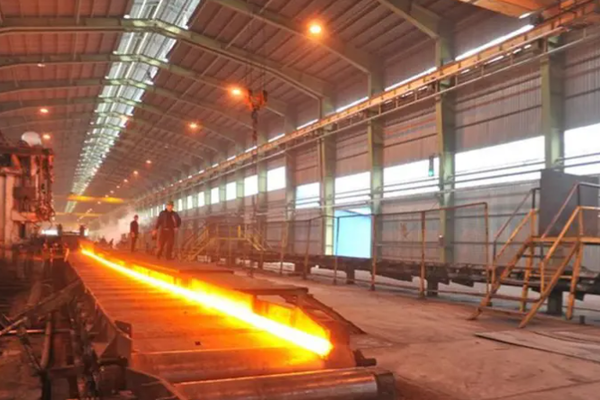
Over 27,000 workers at the Mobarakeh Steel Company – Iran's largest steel producer – remain in limbo following missile strikes that have paralyzed production at the sprawling Isfahan complex, according to the news site Rouydad24.