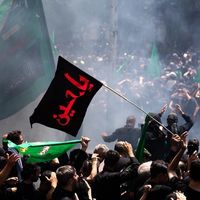
In Mashhad, firebrand Friday prayer leader Ahmad Alamolhoda claimed that “US Army infantry is responsible for rising prices.” He later said the remark was metaphorical, arguing that the war had triggered hyperinflation and that “profiteers and the main culprits behind rising prices are the US army’s infantry.”
Earlier in the week, Hossein Shariatmadari, editor of the hardline daily Kayhan, wrote that “rising prices and hoarding are the products of the enemy’s infiltration in the government.”
While Iran’s armed forces were “working miracles,” he argued, the economy had been left undefended, allowing enemies to undermine battlefield gains.
Shariatmadari, who for decades attacked previous administrations over inflation and economic mismanagement, remained notably quiet during the ultraconservative governments of Mahmoud Ahmadinejad and Ebrahim Raisi.
In 2024, he claimed rising prices had “nothing to do with the performance of the government or parliament,” describing inflation as part of a foreign conspiracy.
Last week, he questioned why parliament had stopped monitoring the government’s performance. Days later, lawmakers held an online session with Agriculture Minister Gholamreza Nouri Ghezeljeh to discuss food prices, a move widely mocked in Iranian media as ineffective and detached from public hardship.
While Alamolhoda urged Iranians to embrace a vague “jihadist economy,” Shariatmadari called on officials to confront an unspecified “economic mafia.”
Moderate outlets, however, framed the crisis differently. The daily Arman Melli argued on Sunday that the latest surge in prices could not be explained solely by wartime conditions, pointing instead to years of structural economic problems, rising state expenditures and populist policymaking.
The paper also called for “effective use of diplomacy” to end the conflict while safeguarding national interests, arguing that renewed negotiations could help stabilize the economy.
The reformist website Rouydad24 described a society undergoing “economic and psychological erosion,” where inflation was no longer an abstract statistic but a daily reality.
Families were removing meat from their diets, patients cutting medication in half and tenants being pushed toward cheaper outskirts of major cities.
Economic newspapers described parliament’s online session as “a bitter confession” that authorities were losing control of the situation, reflected in shrinking household budgets, disappearing essentials and rising public anxiety.
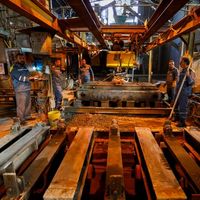
Despite government claims of wage increases of up to 60 percent for workers, many public employees say they have not received the raises. Unemployment is rising, layoffs are spreading and businesses are shutting down, while temporary contracts leave many workers with little protection against dismissal.
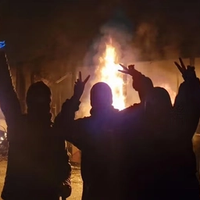
Iranian media now report complaints about living costs even among government supporters attending nightly demonstrations. Families that once lived modest but stable lives increasingly struggle to afford housing, medical treatment, tuition and other basic necessities.
Many workers say they are still earning salaries set years ago in an economy where prices change almost daily, leaving much of Iran’s working and middle classes crushed by relentless inflation.