The sources said, the negotiations are taking place through mediators from Pakistan, Egypt and Turkey and also through direct text messages exchanged between US envoy Steve Witkoff and Iran’s Foreign Minister Abbas Araghchi.
The diplomatic push comes as the conflict enters its sixth week.
When the war began in late February, President Donald Trump suggested the campaign could last four to five weeks, though fighting has continued and threats of further escalation have mounted.
According to the sources, mediators are working on a two-phase framework. The first phase would involve a 45-day ceasefire during which negotiations would take place on a permanent end to the conflict. One source said the ceasefire could be extended if more time were needed for talks.
The second phase would focus on reaching a comprehensive agreement to end the war.
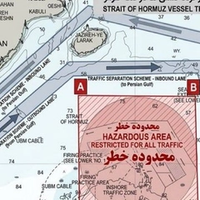
Sources said mediators believe that issues such as fully reopening the Strait of Hormuz and resolving the question of Iran’s highly enriched uranium would likely only be addressed as part of a final settlement.
In recent days Trump has warned that the United States could target Iran’s power plants and bridges if Tehran does not reopen the Strait of Hormuz.
Iranian officials have responded defiantly, with the Revolutionary Guards naval command saying the waterway “will never return to normal,” especially for Israel and the United States.
According to Axios, however, diplomatic contacts are continuing behind the scenes.
The outlet cited a US official as saying that Washington has presented Tehran with several proposals in recent days, but Iranian officials have not yet accepted them.
According to another source, the mediators are "highly concerned" that Iran would retaliate to a potential US-Israeli strike on the country's energy infrastructure and cause extensive damage to the region's oil and water facilities.