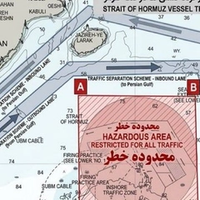
Trump warned on Sunday that if the Strait of Hormuz is not opened by Tuesday, the United States could target Iran’s power plants and bridges.
Tehran has responded defiantly, warning that the Strait of Hormuz will not return to normal and signaling that it would retaliate if critical infrastructure were attacked.
Iran’s electricity system relies overwhelmingly on thermal power plants, most of them fueled by natural gas. A relatively small number of large facilities supply major urban and industrial centers, including Tehran and other key regions.
Among the most prominent facilities is the Damavand combined-cycle power plant east of Tehran, one of the country’s largest electricity producers and a key supplier to the capital’s metropolitan area.
Other large plants, including Neka on the Caspian coast and Shahid Montazeri near Isfahan, also play central roles in the national grid.
Strikes could temporarily remove large amounts of generating capacity without requiring prolonged bombing campaigns.
Inside Iran
Even limited damage to several major facilities could lead to rolling blackouts across large parts of the country.
Hospitals depend on stable power for life-support equipment and medical systems. Water pumping and treatment facilities require electricity to maintain supply, while telecommunications networks, factories and transport systems all rely on uninterrupted energy.
Iran’s economy is already under pressure from sanctions, high inflation and environmental challenges such as drought. Large-scale power disruptions could deepen these strains, affecting everything from factories to household water supplies.
Because many components used in large power plants must be imported, repairing damaged facilities could also take time, particularly under existing sanctions and trade restrictions.
Regional retaliation
Iran has signaled that it would respond proportionally if its energy infrastructure were attacked.
Regional energy systems present obvious targets. Persian Gulf oil facilities, desalination plants that supply drinking water to major cities and Israeli infrastructure could all become potential objectives in a cycle of reciprocal strikes.
Tehran could also retaliate through allied groups. Hezbollah in Lebanon and the Houthis in Yemen have both demonstrated the ability to target infrastructure and shipping routes, raising the possibility that attacks could spread beyond Iran itself.
Once energy systems become targets, they become shared vulnerabilities across the region.
A dangerous precedent
Targeting power plants also raises legal and ethical questions.
Electricity systems support civilian life, even if they may also serve military needs. International humanitarian law places limits on attacks against civilian infrastructure when the harm to civilians could be disproportionate to military advantage.
Human rights organizations have repeatedly warned that strikes on power systems can have cascading humanitarian effects, particularly in densely populated areas.
The threat to strike Iran’s electricity grid reflects a broader shift in modern conflict, where infrastructure itself increasingly becomes a tool of coercion.
While such attacks may promise short-term strategic leverage, they also risk opening a cycle of infrastructure warfare. Energy systems, water facilities, ports and communications networks could all become targets in a conflict that spreads beyond traditional military objectives.
In a region already marked by volatility, that shift could transform a localized confrontation into a broader and more unpredictable struggle in which societies themselves, rather than armies, become the pressure points of war.
Global impact
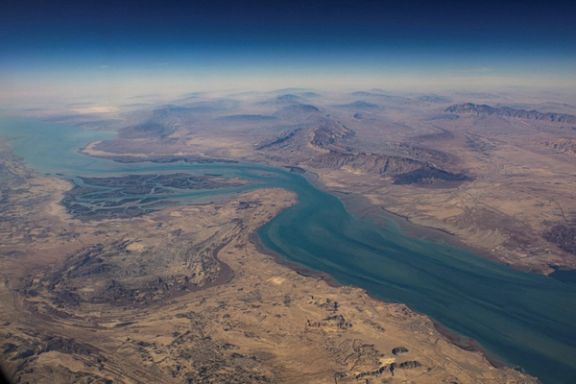
At the center of the confrontation remains the Strait of Hormuz, one of the world’s most important maritime chokepoints.
Roughly 20 million barrels of oil pass through the narrow waterway each day—about a fifth of global seaborne oil trade. Any prolonged disruption could push oil prices sharply higher and ripple through global supply chains.
Insurance costs for shipping could rise, tanker traffic could fall and energy-importing economies, particularly in Asia, could face new supply shocks.
Oil prices reflected those fears at the start of the trading week, with crude jumping at market open Monday as the confrontation intensified.
Analysts warn prices could rise significantly further if the conflict escalates or if shipping through the Strait of Hormuz remains disrupted.