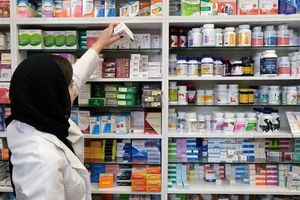
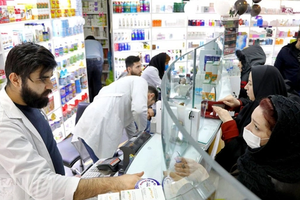
Several citizens said the price of Ryzodeg insulin jumped from 12 million rials (≈$8) to 76 million rials (≈$51). Five-dose packs of NovoRapid and Lantus now sell for 15–18 million rials (≈$10–$12).
A resident reported that the blood thinner Plavix, crucial to preventing strokes and heart attacks, rose from 7.5 million rials (≈$5) to 27 million rials (≈$18) in recent weeks.
An ordinary Iranian citizen earns approximately $100–$150 per month.
Shortages leave patients struggling
Before the war and US-Israeli attacks, insulin was already limited, with insurance covering only one dose per week. Residents say the scarcity has now reached crisis levels.
One citizen in Parand near Tehran said: “I couldn’t find my diabetes medications for a month, even without a prescription. Two types, Lantus and Apidra, usually last a week each, but I ran out completely.”
Another said his mother had to travel from Karaj to Qazvin (over 110 km) to obtain essential medicines. Tehran residents report difficulty finding Asentra (sertraline) for depression and Iran-made blood thinner Osvix.
Supply chain disruptions deepen crisis
Residents link shortages to halted imports from Turkey and Dubai. A transit driver said fewer registered shipments have reduced cargo flow. Local distributors have paused sales, while pharmacies face delayed deliveries and payments.
“Our city has more pharmacies than any other shop, but even acetaminophen is unavailable,” a Sari resident in northern Iran said.
The shortages coincide with rising food prices and widespread business closures, adding to economic strain.
However, Mohammad Reza Aref, First Vice President, said on Wednesday that strategic drug reserves are in good condition and ordered “immediate import” of essential medicines. Residents, however, continue to report high prices and irregular availability.
Global healthcare impact
NHS England chief executive Sir Jim Mackey warned that the Iran war could disrupt healthcare supplies internationally. Speaking to LBC Radio on Wednesday, Mackey said syringes, gloves, and intravenous bags may become scarce due to the closure of the Strait of Hormuz.
“A team has been set up across the NHS to assess risks through the supply chains. Almost everything may be at risk, as Britain relies heavily on imports for medicines and healthcare equipment,” Mackey said.
Medicines UK chief executive Mark Samuels said Britain could face further shortages if the conflict prolongs, noting that 85 percent of NHS medicines are generic and largely sourced from India.