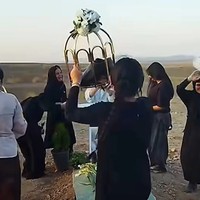
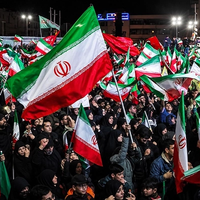
People in several Tehran neighborhoods poured into streets and chanted slogans against the Supreme Leader Ali Khamenei while women unveiled in public as a gesture of solidarity with antigovernment protests, which have been raging for the past 54 days since 22-year-old Mahsa Amini was killed by the country’s hijab, or the so-called morality police.
Wednesday’s protests were in the memory of those killed during the regime’s crackdown on protesters 40 days ago. The 40th day after one’s death carries immense significance in the Iranian culture. The Bloody Friday in Zahedan, the provincial capital of Sistan and Baluchestan took place September 30, when security forces killed at least 93 people, and injured many more. Zahedan is one of the few Sunni-majority cities in predominantly Shiite Iran.
People prefer to protest after darkness falls primarily to avoid easy identification and targeting by government agents, while also they can about their business during the day.
According to videos posted on social media, several neighborhoods in Tehran as well as Mashhad in northeastern Iran, Shiraz in the southern Fars province, Esfahan (Isfahan) in central Iran, Rasht and Kianshahr in northern province of Gilan, and BandarAbbas in Hormozgan province on the southern Persian Gulf coast, and Kerman were scenes of demonstrations in support of the protesters in Sistan and Baluchestan province.
Moreover, people in the Kurdish majority cities of Mahabad, Saqqezz – the birthplace of Mahsa Amini – Kermanshah, Shahrekord, and Sanandaj – the provincial capital of Iran’s Kordestan province – also held rallies against the clerical regime. Situation was also tense in several Turkish-majority cities such as Ardabil and Bukan and Mahabad in West Azarbaijan province.
Clashes have been reported in some western cities such as Marivan, where people are mourning the death of -- a PhD candidate in philosophy who died November 6 after being beaten by security forces with batons during protests in Tehran a day earlier.