• العربية
  • فارسی
BrandBrand
  • Iran Insight
  • Politics
  • Economy
  • Analysis
  • Special Report
  • Opinion
  • Podcast
  • Live TV
  • Iran Insight
  • Politics
  • Economy
  • Analysis
  • Special Report
  • Opinion
  • Podcast
  • Live TV
  • Theme
  • Language
    • العربية
    • فارسی
  • Iran Insight
  • Politics
  • Economy
  • Analysis
  • Special Report
  • Opinion
  • Podcast
  • Live TV
All rights reserved for Volant Media UK Limited
volant media logo

Iran Authorities Force Families Of Protesters They Killed To Lie

Maryam Sinaiee
Maryam Sinaiee

Iran International

Nov 5, 2022, 14:46 GMT+0Updated: 17:36 GMT+1
Hadi Chaksari a protester killed by Iran's security forces

Iranian authorities try to present protesters killed by security forces as their own supporters who fell victim to the opposition or “impersonating policemen.”
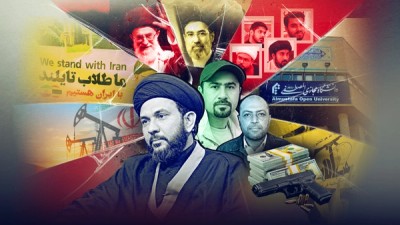

“The history of mankind is full of all sorts of atrocities but stealing corpses is something the Islamic Republic has invented,” a tweet posted on November 1 said.

Some families have spoken up about the authorities’ pressures on them to deny their loved ones were killed by security forces, as others have been suffering in silence.

The family of Mahsa (Jina) Amini, the 22-year-old whose death in police custody sparked the current wave of protests nearly two months ago have publicly spoken of the pressures and threatsto force them to confirm the government version of events that led to her tragic death.

The family of 16-year-old Nika Shakarami was next. Although her own brother and sister were arrested and , Nika’s mother refused to corroborate the authorities’ account of her daughter’s death.

forced into so-called televised “confessions”

The troubles of Mahsa and Nika’s families did not stop there.Knowing that the 40th-day memorials of these young people were going to turn into anti-government protests, authorities also tried to force the families to forsake public memorials and mourn inside the confines of their own homes.

Mahsa and Nika’s families resisted the pressures again and huge crowds that attended Mahsa and Nika’s memorials chanted anti-government slogans. In both cases, security forces attacked the participants and shot at them, wounding dozens of people.

100%
Ali Fazeli a protester killed by Iran's security forces

Authorities have persistently used similar pressure and threats against the families of others protest victrims.

On several occasions authorities have tried to force families to deny their loved ones’ affiliation with the protests or even validate the government’s claim that the victims belonged to the Basij militia of the Revolutionary Guards (IRGC). They claimed that these were victims of protesters or dodgy “fake policemen”.

Informed sources have told Iran International that under the threat that the body of his son would not be handed over to the family for burial, the father of Ali Fazeli, 29, was forced to corroborate the claim that he was a Basij member killed by protesters in Amol on October 27.

Accordingly, the local IRGC and its Basij militia sidelined the family and took over the burial service.

“Please forgive me Ali, I’m ashamed Ali,” his father is heard crying in footage from the private ceremony on the seventh night of his death at his family home while his mother was weeping.

But there is clear evidence in his social media that Ali Fazeli was a protester and had nothing to do with the Basij militia.

Authorities and hardliners have made similar claims about 30-year-old Hadi Chaksari, also killed in Amol on the same night. They call him, and Ali Fazeli, “Terror Martyrs”.

“It seems that the authorities didn’t expect such reactions [from the families] … These protests are much more wide-spread socially and geographically, from Baluchestan to Kordestan and Khorasan, both small and large cities,” Washington-based sociologist and commentator Hosein Ghazian told Iran International TV Saturday.

According to Ghazian, the government is not able to silence victims’ families with threats and violence as it did in previous protests for various reasons including the fact that now some of the victims hail from social circles who may have been supportive of the regime in the past such as veterans of the Iran-Iraq War (1980-1988). The regime is employing more oppressive measures, to the extent of interfering with the mourning for victims, because of greater solidarity among social classes and the opposition, he added.

Most Viewed

How Thai clerics in Iran were recruited to attack Israeli embassy in Bangkok
1
EXCLUSIVE

How Thai clerics in Iran were recruited to attack Israeli embassy in Bangkok

2

US strikes Qeshm Island after Iran drone attack on American base in Bahrain

3

Iran's wartime rallies turn against officials, fuel political feuds

4

Killing of Iranian schoolgirl sparks calls for legal reform

5
INSIGHT

Ayatollah's death at 105 sparks ridicule over clerics' longevity

Banner
Banner
Banner
Banner
Banner
Banner
Banner

Spotlight

  • GTA 6 costs, slow internet frustrate Iranian gamers, fuel satire

    GTA 6 costs, slow internet frustrate Iranian gamers, fuel satire

  • A tough winter for Iran's cement industry, a tougher one for steel
    ANALYSIS

    A tough winter for Iran's cement industry, a tougher one for steel

  • Tehran seizes on NYT dam report to widen retaliation threats

    Tehran seizes on NYT dam report to widen retaliation threats

  • How Iranians are turning grief into defiance
    OPINION

    How Iranians are turning grief into defiance

  • A cow's sit-in: why a comedy sketch struck a nerve in Iran

    A cow's sit-in: why a comedy sketch struck a nerve in Iran

  • Iran could launch dirty-bomb attack, but risks make it unlikely
    ANALYSIS

    Iran could launch dirty-bomb attack, but risks make it unlikely

  • Iran's wartime rallies turn against officials, fuel political feuds

    Iran's wartime rallies turn against officials, fuel political feuds

  • How Thai clerics in Iran were recruited to attack Israeli embassy in Bangkok
    EXCLUSIVE

    How Thai clerics in Iran were recruited to attack Israeli embassy in Bangkok