• العربية
  • فارسی
BrandBrand
  • Iran Insight
  • Politics
  • Economy
  • Analysis
  • Special Report
  • Opinion
  • Podcast
  • Live TV
  • Iran Insight
  • Politics
  • Economy
  • Analysis
  • Special Report
  • Opinion
  • Podcast
  • Live TV
  • Theme
  • Language
    • العربية
    • فارسی
  • Iran Insight
  • Politics
  • Economy
  • Analysis
  • Special Report
  • Opinion
  • Podcast
  • Live TV
All rights reserved for Volant Media UK Limited
volant media logo

Southwestern Iran Scorched As Temperature Hits Over 52°C

Jun 21, 2022, 15:14 GMT+1
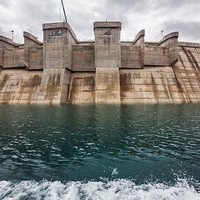
The Dez River in southwestern Khuzestan province

The Dez River in southwestern Iran is drying up as the temperature in several cities across Khuzestan province has risen to above 50 degrees Celsius or 122 F. 

According to the Meteorological Organization of Iran on Tuesday, temperature in the city of Abadan hit a staggering 52.2 degrees Celsius – or about 126 degrees Fahrenheit – a new record for the city and the province for June temperatures for the first time in 70 years, when the city’s weather station was established. 

Factoring in the humidity in the province, it is practically impossible to determine how hot it actually feels as the weather cannot fit on the heat index (HI) -- that combines air temperature and relative humidity. 

The heat wave in Khuzestan follows reports about a new wave of drought in the province.

The flow in downstream areas of the Dez River, which is a 400-kilometer-long tributary of the Karun River, has decreases drastically, alarming environmental activists and villagers.

In 2021, large-scale water protests took place in two important provinces, Khuzestan and Esfahan, with several people killed and hundreds injured by security forces.

Iran has been suffering from drought for at least a decade and this year officials are warning of a further decrease in precipitation.

Authorities said earlier in the month that water inflow into Tehran’s dams decreased by about 21 percent since March compared with last year.

As drought persists, more underground water is exploited for irrigation, depleting natural reservoirs formed during thousands of years. The drought has also led to a reduction in hydroelectric power generation.

Most Viewed

Tanker loads Iranian crude in Persian Gulf as Tehran weighs resuming exports
1

Tanker loads Iranian crude in Persian Gulf as Tehran weighs resuming exports

2
ANALYSIS

A tough winter for Iran's cement industry, a tougher one for steel

3

Killing of Iranian schoolgirl sparks calls for legal reform

4

Iran's wartime rallies turn against officials, fuel political feuds

5

Houthi missile attack damages Riyadh’s tallest building

Banner

Spotlight

  • A test of power: Who will control Iran's state TV?
    INSIGHT

    A test of power: Who will control Iran's state TV?

  • GTA 6 costs, slow internet frustrate Iranian gamers, fuel satire

    GTA 6 costs, slow internet frustrate Iranian gamers, fuel satire

  • A tough winter for Iran's cement industry, a tougher one for steel
    ANALYSIS

    A tough winter for Iran's cement industry, a tougher one for steel

  • Tehran seizes on NYT dam report to widen retaliation threats

    Tehran seizes on NYT dam report to widen retaliation threats

  • How Iranians are turning grief into defiance
    OPINION

    How Iranians are turning grief into defiance

  • Iran could launch dirty-bomb attack, but risks make it unlikely
    ANALYSIS

    Iran could launch dirty-bomb attack, but risks make it unlikely

Banner
Banner
Banner
Banner
Banner
Banner