Iran Opens Natanz Factory For Nuclear Enrichment Machinery

The United Nations nuclear watchdog has reported Iran told it April 13 that a new factory would begin making parts for centrifuges, which enrich uranium.
The United Nations nuclear watchdog has reported Iran told it April 13 that a new factory would begin making parts for centrifuges, which enrich uranium.
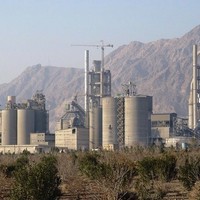
According to a confidential report to member states from the International Atomic Energy Agency (IAEA), the plant at Natanz was to start work that day, although according to the Reuters news agency, which has seen the report, the IAEA did not say if the work had commenced, suggesting the watchdog had not had subsequent admittance.
It is now enriching with hundreds of advanced centrifuges, some of them enriching to a purity of up to 60%, close to the 90% that is weapons-grade.
Iran has since 2021reduced access of IAEA inspectors to levels required under the Nuclear Non-Proliferation treaty, meaning they lack access to manufacturing plants where there is no nuclear material.
Iran and the IAEA have maintained a temporary arrangement since early 2021 whereby Iran allows monitoring equipment, including cameras, but will not give IAEA access to the data in advance of agreement to renew the 2015 nuclear deal, the JCPOA (Joint Comprehensive Plan of Action).
The manufacturing machinery installed at Natanz was moved, the IAEA reported, from the workshop at Karaj, west of Tehran, where Iran suspended the temporary access arrangement after , last June. The IAEA said it had finished installing surveillance cameras at Natanz April 12 and had removed its seals.
Second new plant
Iran said January it was also opening a new manufacturing plant at Esfahan, where an early part of the enrichment process takes place. The Natanz site includes an enrichment plant built underground to offer some protection from airstrikes.
Iran began to exceed the limits of the JCPOA in 2019, the year after the United States left the deal and imposed ‘maximum pressure’ sanctions and is now using relatively advanced centrifuges barred under the JCPOA. While the deal capped uranium enrichment at 3.67 percent, Iran had by February accumulated a stockpile of 182kg of uranium enriched to 20 percent and 33kg enriched to 60 percent, which is near the 90 percent considered ‘weapons grade.’
With nuclear talks in Vienna paused after a year with Iran and world powers unable to agree on how to revive the JCPOA, opponents of the deal in both Washington and Tehran have stepped up their campaigns.
Iran’s decision to reduce IAEA cooperation and to enrich to 20 percent followed legislation passed by parliament after the killing of nuclear scientist Mohsen Fakhrizadeh in November 2020 and , widely attributed to the Israeli intelligence extra-territorial branch Mossad.
Parliament's decision to pass the legislation also came after the election of President Joe Biden who had vowed to return to the JCPOA
Hardliner critics of the JCPOA have increasingly argued that Tehran gained nothing from the deal and should stick to strict conditions in nuclear talks.