Iran International’s reporting was followed by political backlash in Ottawa, international coverage and Mehdi Taj being turned back within hours of landing in Canada.
Speaking to Iran International’s Eye for Iran, Melissa Lantsman, deputy leader of Canada’s Conservative Party, said the case raised serious questions about who approved Mehdi Taj’s entry and why.
“We need to know who did it, when it happened, how it happened, why it happened, and why it’s never going to happen again,” Lantsman said.
Taj, president of Iran’s football federation, had been expected to travel to Vancouver for the FIFA Congress on April 30 at the Vancouver Convention Center.
Iran International previously reported that Taj was issued a Temporary Resident Permit, or TRP, a tool that allows Canadian authorities to admit a person who would otherwise be barred under immigration law.
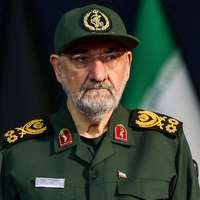
Canada listed the IRGC as a terrorist entity in 2024, making people linked to the force inadmissible. Taj has longstanding ties to the Islamic Republic’s security establishment and previously served as an intelligence commander in the IRGC in Isfahan.
Lantsman said the permit showed that the issue was not simply a screening failure.
“Somebody actively made this decision to circumvent our own rules,” she said.
“I can’t believe that I work in a place with a minister who would issue a terrorist a permit.”
Taj was able to board a flight to Canada and land in Vancouver. He was sent back within hours, after Iran International’s reporting on the case had already become public.
That sequence has become central to the political fallout in Ottawa. Critics say the government acted only after the case drew public attention, while ministers have declined to discuss details, citing privacy rules.
Lantsman rejected that explanation in the podcast interview.
“We don’t give privacy to terrorists,” she said. “There is no privacy to people who are inadmissible to our country.”
The issue quickly reached Parliament.
Opposition MPs pressed ministers to explain how a person barred under Canada’s own rules received permission to enter the country.
At Thursday’s meeting of the Standing Committee on Public Safety and National Security in Ottawa, Conservative MP Frank Caputo asked Immigration Minister Lena Diab how a person deemed inadmissible had been granted entry.
Caputo said “the rule of law demands transparency” and asked “who gave him a visa,” saying Iran International’s reporting had brought the case to public attention.
Prime Minister Mark Carney declined to comment on Taj’s case, citing privacy laws, but defended the government’s position on the IRGC.
“Members of the [Iranian] Revolutionary Guard rightly have been prohibited from entering this country and they will not enter this country,” he said.
Foreign Affairs Minister Anita Anand suggested the permit may have been granted and later revoked, saying her understanding was that “there is a revocation of the permission” and that “it was unintentional.”
Lantsman said that response only deepened the need for answers.
“If they unintentionally gave him a permit, then we need to know how that happened and why it happened,” she said. “And if the unintentionality of it was about the revocation, that’s even worse.”
The controversy has turned a single immigration decision into a broader political test of Canada’s handling of officials tied to the Islamic Republic.
Although Canada has formally banned the IRGC, Temporary Resident Permits allow authorities to override inadmissibility in certain cases. Taj’s case has raised questions about how such exceptions are approved and what safeguards exist when national security concerns are involved.
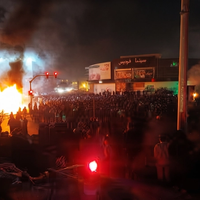
The controversy also comes as anger continues over the Islamic Republic’s crackdown on protests in January, with the IRGC at the center of the state response. Rights groups and Iranian activists have described the violence as among the deadliest episodes in modern Iranian history.
At least three Iranian footballers have been killed during the unrest. Ali Karimi, Iran’s former national team captain, has criticized FIFA’s silence and called on the organization to condemn the killing of athletes and speak out against the crackdown.
Lantsman said the opposition has submitted formal questions in Parliament and would continue pressing the government for details.
“This cannot happen,” she said. “We’re going to continue to keep the pressure on.”
The case has also drawn wider attention beyond Canada. The New York Times, USA Today, Agence France-Presse and The Canadian Press have covered the incident, citing Iran International’s reporting.
For Lantsman, the central issue remains who approved the permit and why.
“Somebody in Canada, somebody very high up in the ministry, decides that it’s in public interest of Canada to have this person here,” she said.
The government has yet to publicly identify who authorized the permit, why it was issued, or what measures are being taken to prevent a similar case.