Fluent in death: Tehran repeats 1988, at scale
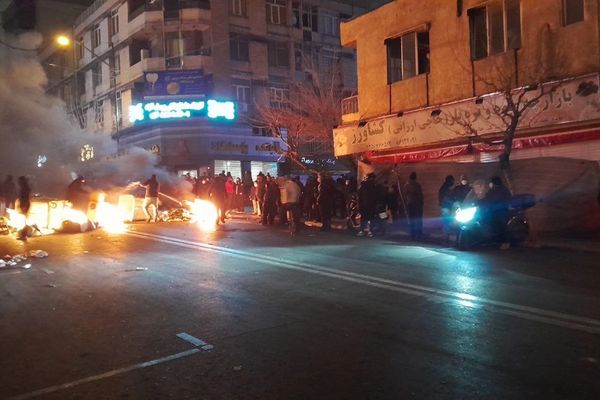
The killings that swept Iran last month revived memories of 1988, when the Islamic Republic erased thousands of political prisoners in silence—my brother, Bijan, among them.

The killings that swept Iran last month revived memories of 1988, when the Islamic Republic erased thousands of political prisoners in silence—my brother, Bijan, among them.

Hundreds of messages sent to Iran International from Iranians inside the country urge US President Donald Trump not to negotiate with the Islamic Republic, warning that talks would legitimize repression and betray protesters killed by security forces.

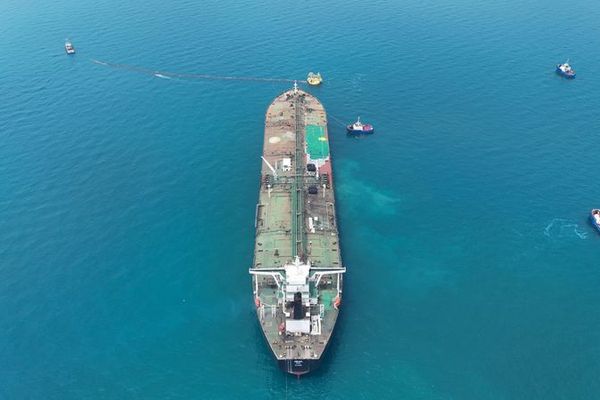
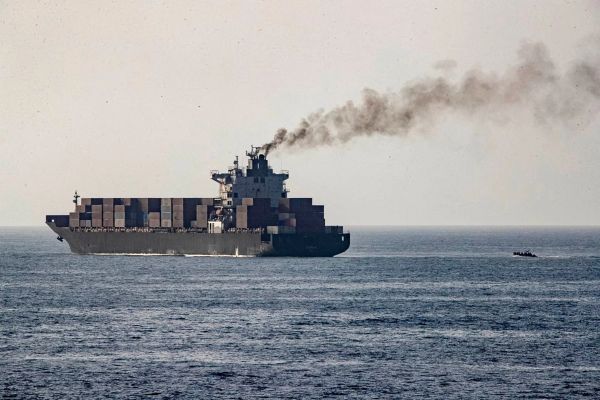
India’s coast guard said it has seized three oil tankers in the Arabian Sea as part of what it described as a coordinated operation against an international oil-smuggling network, while tanker-tracking analysts and Iranian media said the vessels were linked to Iran.

Iran’s foreign minister said on Sunday that Tehran’s right to enrich uranium on its own soil must be recognized for nuclear talks with the United States to succeed, two days after the two sides held indirect discussions in Muscat aimed at testing whether diplomacy can be revived.

Middle East analyst Elizabeth Tsurkov says people close to President Trump believe he is likely to strike Iran, arguing the Islamic Republic’s failure against Israel revealed a “paper tiger” abroad — even as it remains ruthlessly lethal toward its own citizens.

Human rights activists are sounding the alarm over reports of secret and extrajudicial executions in Iran, warning that the authorities may be moving toward retaliating against detainees after the deadly crackdown on protests in January.

A senior Iranian reformist has accused security bodies of deliberately escalating and even staging violence including alleged killings among their own ranks to legitimize a sweeping crackdown on protests, sharply disputing the official narrative blaming foreign actors.

Physicians working with Iranian protesters are warning that hospitals and medical care in Iran may be increasingly used as tools of repression, as doctors are arrested or threatened for treating the wounded and injured demonstrators are denied care.

As Iranian and US negotiators met in Oman on Friday to discuss the framework for renewed talks, Friday prayer leaders across Iran used their sermons to dismiss the process, expressing near-uniform pessimism about the prospects for diplomacy.

Tehran’s frequently invoked threat of closing the Strait of Hormuz may be far easier to signal than to carry out, not least because it would harm allied China more than the hostile West.

Australian Senator Raff Ciccone, Chair of the Parliamentary Joint Committee on Intelligence and Security and a co-sponsor of a bipartisan Senate motion condemning Iran’s crackdown on protests, said Australia was standing firmly with the people of Iran.

A group of scholars in Iranian studies issued a public statement expressing solidarity with people in Iran, describing the protests as a defining historical moment and warning that silence or misplaced neutrality carries consequences.

Iran’s leadership is edging toward a war scenario not because diplomacy is necessarily collapsing, but because confrontation is increasingly seen as the least damaging option for a ruling system under intense internal and external pressure.

State-backed celebrations of Shiite Imam Mahdi’s birthday this week have angered many Iranians mourning tens of thousands killed in recent protests, highlighting a widening divide over grief, faith and public displays of joy.

As Iran and the US convene in Oman for bilateral talks, reports suggest Muslim-majority states are pushing for a framework that would include a non-aggression pact, curbs on Iran’s nuclear program and its arms support for allied militants, and reassurances on its missiles.

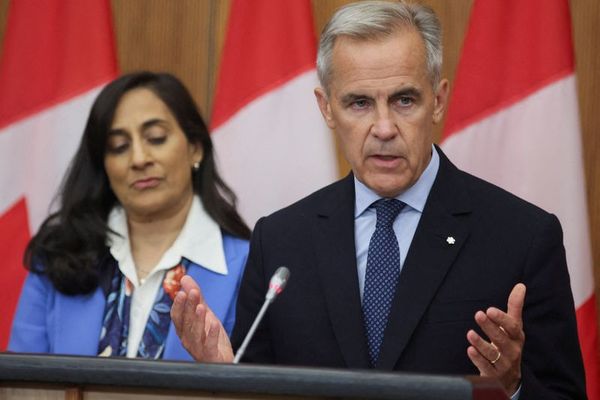
Canada condemned the killing of protesters and use of violence by Iranian authorities after a video shared by Iran International showed an armored vehicle operated by Iranian security force running over demonstrators in Ardabil, northwest of Iran.

As Iran and the United States reshuffle the format and venue of their talks amid military threats, deep mistrust, and hardline red lines, skepticism over a breakthrough appears widespread.

The Australian Senate on Thursday passed a motion condemning Iran’s crackdown on nationwide anti-government protests that began in late December, citing killings, mass arrests and internet blackouts imposed on civilians.

A day of confusion, warnings and behind-the-scenes maneuvering ended with a fresh announcement that US–Iran talks were back on track, underscoring how fragile and contested the diplomatic process remains on the eve of a possible meeting.

A coalition of human rights organizations and civil society groups has called on member states of the Organization for the Prohibition of Chemical Weapons (OPCW) to take collective action over Iran’s alleged use of prohibited chemical substances against civilians.

As hopes for talks with the United States flicker and fade, Iran’s chronic factional infighting once again appears to have torpedoed a diplomatic opening—even before it properly began.