Iran moves to curb media reports that could fuel panic over UN sanctions
Iran’s Ministry of Culture and Islamic Guidance has issued a confidential directive to domestic media, instructing outlets to limit coverage of the European move to trigger the UN snapback mechanism and avoid content that could cause public concern or market instability.
The directive, sent to newsroom chiefs and editors, outlines six points aimed at controlling how the issue is reported. It calls on newsrooms to avoid “emotional,” “crisis-oriented,” or “provocative” headlines and urges editors to present the snapback as a manageable development. The stated goal is to preserve “psychological calm” in society.
Media are specifically told to refrain from publishing content that highlights economic risks, such as inflation, currency devaluation, or the potential impact on gold and foreign exchange markets. Such coverage, the ministry warns, could increase inflationary expectations or contribute to public anxiety.
Iran’s Ministry of Culture and Islamic Guidance has issued a confidential directive to domestic media, instructing outlets to limit coverage of the European move to trigger the UN snapback mechanism and avoid content that could cause public concern or market instability.
Confidential order restricts tone and content
The directive, sent to newsroom chiefs and editors, outlines six points aimed at controlling how the issue is reported. It calls on newsrooms to avoid “emotional,” “crisis-oriented,” or “provocative” headlines and urges editors to present the snapback as a manageable development. The stated goal is to preserve “psychological calm” in society.
Media are specifically told to refrain from publishing content that highlights economic risks, such as inflation, currency devaluation, or the potential impact on gold and foreign exchange markets. Such coverage, the ministry warns, could increase inflationary expectations or contribute to public anxiety.
Instructions call for emphasis on Iran’s resilience
Instead, the directive advises the use of regional experts and commentary that frames the snapback as a sign of European weakness or dependence on the United States. Media are encouraged to highlight Iran’s ability to withstand sanctions and emphasize the country’s “strength in facing pressure.”
The publication of reports that suggest a negative or uncertain outlook for the future is discouraged. Outlets are instructed to “avoid portraying a bleak future” and to focus instead on narratives of continuity and resistance.
Coverage of Western policy encouraged, not domestic impact
According to the directive, media should shift their focus toward criticizing Western governments and highlighting what it describes as contradictions and internal crises in Europe and the US.
The guidance advises against reporting that could fuel debate over the domestic implications of renewed UN sanctions or revive concerns over Iran’s access to oil revenues and currency reserves. No timeline was provided for how long these restrictions should remain in place.
Recent economic reporting limited after new warnings
The directive follows recent domestic reports warning that snapback sanctions could worsen inflation and further weaken the rial. Earlier this week, the Tehran Chamber of Commerce projected that the dollar could reach 1.65 million rials under pessimistic scenarios. That report was later downplayed under apparent pressure from security agencies.
As Iran International exclusively reported, members of the chamber’s international affairs team were questioned this week by the IRGC’s intelligence unit over the economic forecast, and senior officials were instructed not to speak publicly about it.
The Ministry of Culture has not officially commented on the new guidelines. Iranian state media and major news agencies have so far reported the snapback process using neutral language and limited economic analysis.
Part of broader restrictions on public discourse
The new instructions come amid heightened sensitivity within Iranian institutions over public reaction to international developments. The approach reflects a broader pattern of preemptive media control during major diplomatic or economic events.
Iranian media outlets operate under oversight from multiple government agencies, including the Ministry of Culture, the Supreme National Security Council, and intelligence bodies. Directives such as this one are typically circulated in private and not publicly acknowledged.
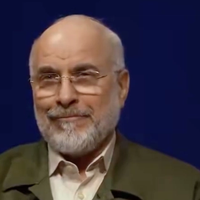
Abbas Moghtadaei, deputy head of Iran’s National Security and Foreign Policy Commission, dismissed the UN snapback process as a “media and psychological tool” with no real economic impact.
“Almost every kind of sanction possible has already been imposed,” he said on Friday at a provincial meeting in Isfahan. “Snapback adds nothing new.”
Moghtadaei accused Western governments of using the mechanism for political messaging, while Iran, he said, has consistently met its obligations. “The Iranian people have shown they can withstand propaganda and external pressure,” he added.
Senior lawmaker Esmail Kowsari said Iran will take a “decisive” stance if Western powers succeed in restoring UN sanctions through the snapback mechanism.
“They signed the agreement and then refused to honor it,” he told state media. “We will not back down, because they acted illegally.”
Senator Jim Risch, the top Republican on the Senate Foreign Relations Committee, welcomed the move by Britain, France and Germany to trigger the snapback of UN sanctions on Iran, calling it a necessary response to Tehran’s “nuclear extortion and terrorism.”
In a statement on Thursday, Risch said the Security Council must now “reject the Islamic Republic of Iran’s continued threats and deceptions” and enforce a full return of sanctions, including the arms embargo and restrictions on Iran’s nuclear scientists.
“The Security Council has an opportunity in earnest to reclaim some of its legitimacy,” Risch said. “This is a good step, but now the hard work begins.”
He added that he looks forward to working with the Trump administration to ensure compliance and hold violators accountable.
UN nuclear watchdog chief Rafael Grossi warned on Thursday that the snapback process initiated by European powers could affect negotiations with Iran over restoring access to key nuclear sites.
Asked by CNN whether the sanctions push would impact talks between the IAEA and Tehran, Grossi said, “Everything is interconnected and it's the same people at different tables… so we cannot say that there is no impact.”
Grossi urged all sides to use the 30-day window before UN sanctions are reinstated to find a solution. “If within this 30-day period we can, together with Iran, the IAEA can establish a good mechanism to return to the places and especially to verify or to check what happened with the material, with the 60% high-enriched uranium, I think there will be positive elements on the table that perhaps could help avert this possibility of this wide-ranging sanctions,” he said.
While acknowledging that the snapback move is political, Grossi described the discussions with Iran as “a very straightforward, technical conversation,” centered on the IAEA’s need to inspect certain locations.