Iran will block others' oil sales if its own is sanctioned, top trade official warns
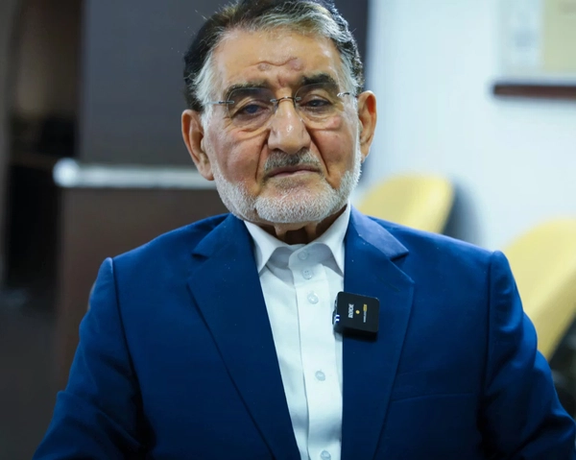
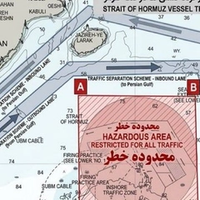
Iran would respond to snapback-triggered sanctions on its oil sales by preventing other countries from selling their oil, warned Yahya Al-e Eshaq, head of the Iran-Iraq Joint Chamber of Commerce and a conservative political figure.
“If we’re unable to sell our oil, we won’t allow others to sell theirs,” he said in an interview published on Friday.
Al-e Eshaq said authorities had long anticipated the reimposition of UN sanctions and had planned accordingly. “This didn’t happen overnight. There’s a strategic and calculated response in place,” he said, adding that relevant bodies such as the Supreme National Security Council (SNSC) would ultimately decide how to respond.
The main goal behind the European move to trigger the UN snapback mechanism is to create psychological and economic pressure on Iran, a senior Iranian lawmaker said on Friday, warning the action is part of a broader effort to destabilize the country.
“The real aim of the enemies is to spark fear and economic anxiety among the Iranian people,” said Alaeddin Boroujerdi, a member of parliament’s National Security and Foreign Policy Committee. “This is one link in a wider chain designed to bring about internal collapse.”
Boroujerdi dismissed the European step as legally baseless and politically motivated, describing it as an attempt by the E3 to escape diplomatic irrelevance. “This won’t change anything in practice—current US and EU sanctions are already harsher than what any revived UN resolution would impose.”
EU foreign policy chief Kaja Kallas said on Friday that the next 30 days offer a renewed opportunity to reach a diplomatic solution on Iran’s nuclear program.
“We are entering a new phase… to really find diplomatic ways to find a solution,” she told reporters.
The remarks came after France, Germany and the UK triggered the UN snapback process, giving Tehran until late September to avoid the return of sanctions.
A British couple detained in Iran since January were “suddenly whisked” into a courtroom in Tehran on Wednesday without prior notice or a lawyer of their choosing, according to a report by Sky News citing their family.
Lindsay and Craig Foreman, from East Sussex, were arrested during a motorcycle world tour and later charged with espionage—allegations they deny. Their son, Joe Bennett, said the couple were assigned a “state-appointed lawyer they only just met.”
“We cannot see how [this] could be considered to be a fair trial,” Bennett said, expressing alarm over the opaque process and lack of transparency.
Concerns grow over health and consular access
Craig Foreman, held at Evin Prison for the past 25 days, has no access to funds or hygiene supplies, according to his son.
The British ambassador had been scheduled to visit Craig, but the family says the meeting didn’t happen—possibly because he had already been taken to court. Meanwhile, Lindsay Foreman was seen by the ambassador and given essential items.
“The lack of transparency only deepens our concern,” said Bennett. “Craig has already lost weight, and now, with no access to food beyond the bare minimum, I can only guess at how he must be.”
Detained and tortured, source tells Iran International
In July, Iran International reported that the couple had been held in solitary confinement for months and subjected to torture by agents of Iran’s Ministry of Intelligence. A source familiar with the case said they were beaten, deprived of sleep, and threatened with execution during interrogations meant to extract confessions.
Despite these conditions, both have maintained their innocence.
Arrested in January while touring the country
The couple, both in their 50s, entered Iran from Armenia during a world motorcycle trip. They were arrested on January 4 near the city of Kerman and charged with spying. The UK government has denied the charges and repeatedly called for their release.
“We are deeply concerned by reports that two British nationals have been charged with espionage in Iran,” the Foreign Office has said. “We are providing them with consular assistance and remain in close contact with their family members.”
Detainees as bargaining chips
Iran has a long history of detaining foreign nationals—often dual citizens—in what rights groups and Western governments view as politically motivated actions aimed at securing diplomatic leverage or concessions.
Tehran has denied that its detentions are political in nature.
Germany has advised its citizens to leave Iran and avoid travel to the country amid growing tensions following Berlin's role in triggering the UN snapback mechanism to reimpose sanctions on Tehran.
In a statement published on Thursday, the German Foreign Ministry cited recent threats by Iranian officials and warned that “it cannot be ruled out that German interests and nationals will be affected by countermeasures in Iran.”
The ministry also noted that the German Embassy in Tehran is currently able to provide only “limited consular assistance.”
Britain, France, and Germany on Thursday formally initiated the 30-day process to restore UN sanctions on Iran, citing violations of the 2015 nuclear deal. The move has heightened the risk of retaliatory measures from Tehran, which has warned of consequences if sanctions are reinstated.
Iran’s Ministry of Culture and Islamic Guidance has issued a confidential directive to domestic media, instructing outlets to limit coverage of the European move to trigger the UN snapback mechanism and avoid content that could cause public concern or market instability.
The directive, sent to newsroom chiefs and editors, outlines six points aimed at controlling how the issue is reported. It calls on newsrooms to avoid “emotional,” “crisis-oriented,” or “provocative” headlines and urges editors to present the snapback as a manageable development. The stated goal is to preserve “psychological calm” in society.
Media are specifically told to refrain from publishing content that highlights economic risks, such as inflation, currency devaluation, or the potential impact on gold and foreign exchange markets. Such coverage, the ministry warns, could increase inflationary expectations or contribute to public anxiety.