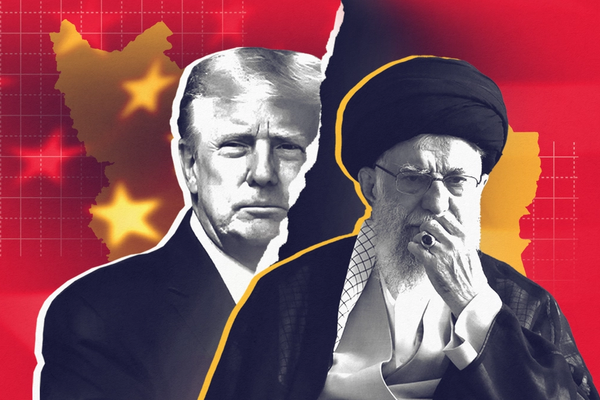
Why Iran should take Trump’s threat seriously
Within a week of the outbreak of protests in Iran against the Islamic Republic and its rulers, US President Donald Trump weighed in twice with direct comments.
Within a week of the outbreak of protests in Iran against the Islamic Republic and its rulers, US President Donald Trump weighed in twice with direct comments.
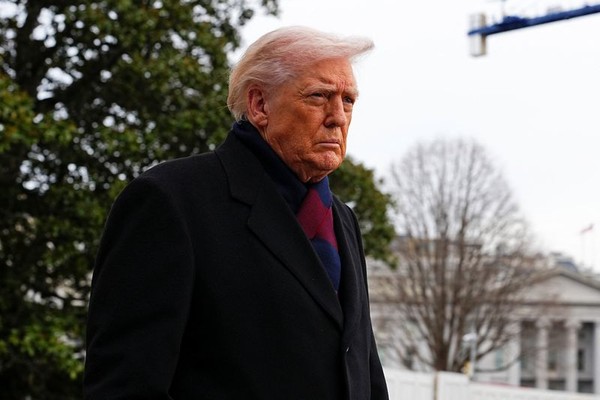
US President Donald Trump’s warning to Iran's rulers over violence against protesters has triggered divided reactions among Iran’s opposition and critics, with Tehran answering the remarks by issuing counter-threats against US interests in the region.
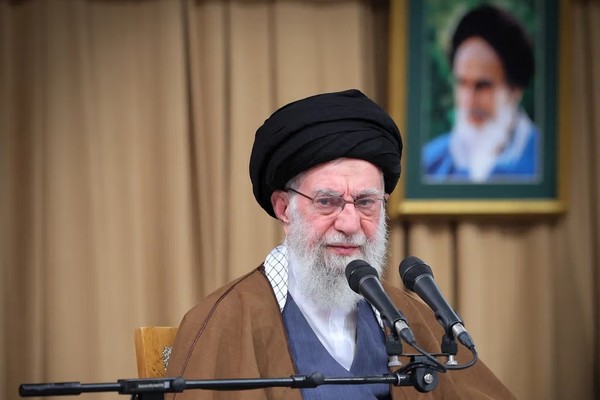
Iran’s supreme leader on Saturday called the nationwide protests the work of foreign-backed agitators and urged a harsher crackdown, in his first public speech since demonstrations began seven days ago
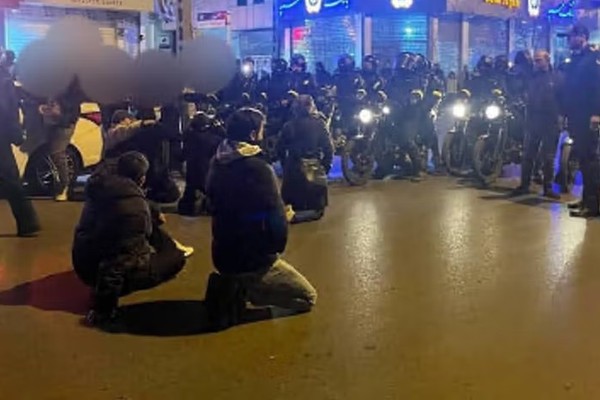
Tehran snapped back into protest mode following two nights of relative quiet, shortly after Donald Trump warned the United States was “locked and loaded” to intervene if Iran kills peaceful demonstrators.
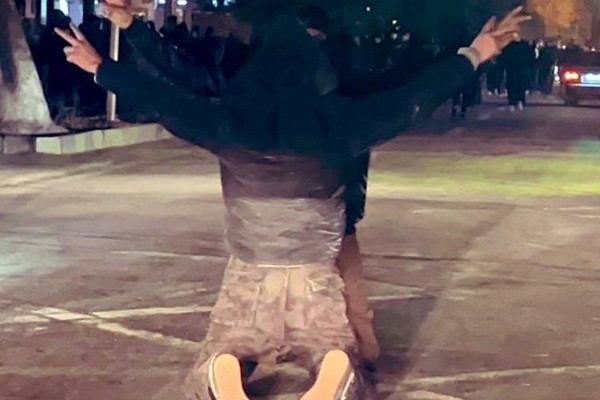
No one can say with certainty whether the current protests will spiral into a revolution. But analysts tell Eye for Iran it is becoming harder to ignore signs that Iran’s theocracy may be entering a period of repeated crises that challenge its ability to function as a state.
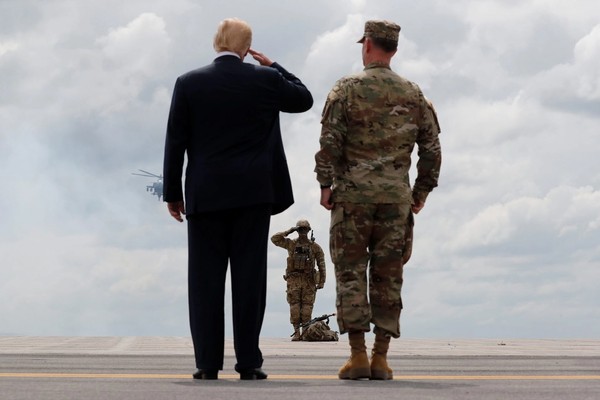
A phrase used by US President Donald Trump in support of Iran’s protesters carries a specific military meaning, analysts say, going beyond political rhetoric to signal a state of readiness for action.
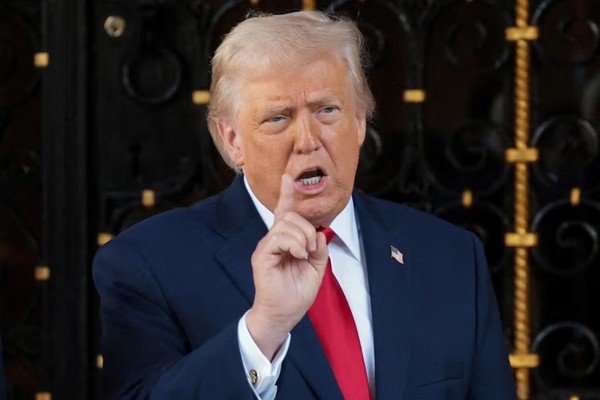
US President Donald Trump warned that the United States of America would intervene if Iranian authorities violently kill peaceful protesters, saying on Truth Social the US is “locked and loaded.”
US President Donald Trump warned on Friday that the United States is “locked and loaded” if Iranian authorities use lethal force against protesters.

Looking back at Iranian films in 2025, one fact is hard to miss: it was underground cinema—not the country’s officially sanctioned productions—that defined the year internationally.
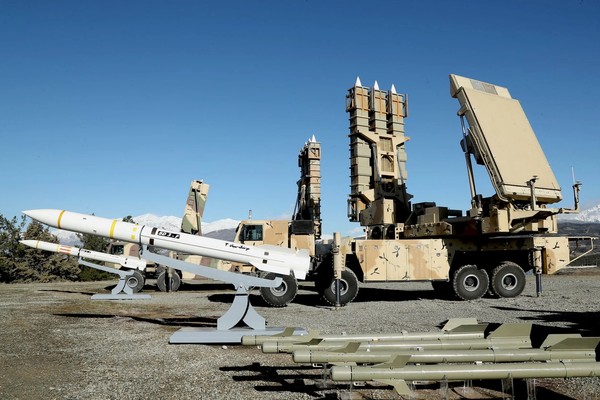
Iran’s official defense export agency is offering to sell ballistic missiles, drones and other advanced weapons systems to foreign governments in exchange for cryptocurrency and barter, Financial Times reported on Thursday.
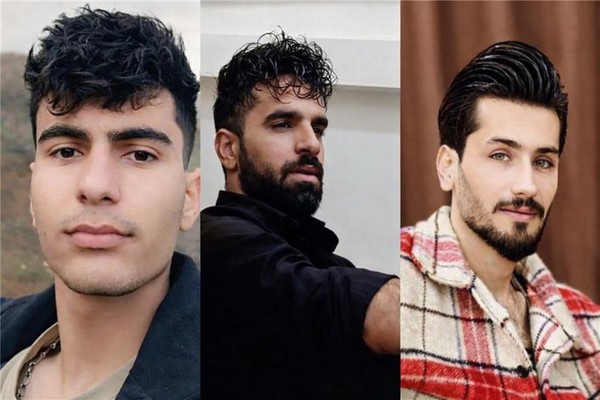
The fifth day of protests in Iran became the deadliest so far, with at least seven protesters killed by security forces, as rallies spread to new cities including the clerical stronghold of Qom, where protesters called for the downfall of the theocracy.
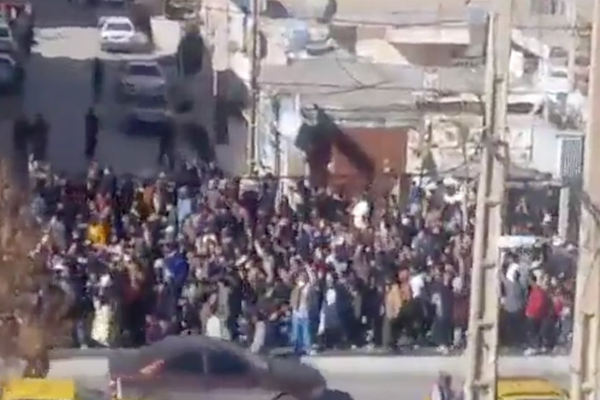
As protests once again ripple across Iran, the country’s political establishment is moving quickly to revive an economic reform agenda that many Iranians say no longer speaks to the core of their anger.
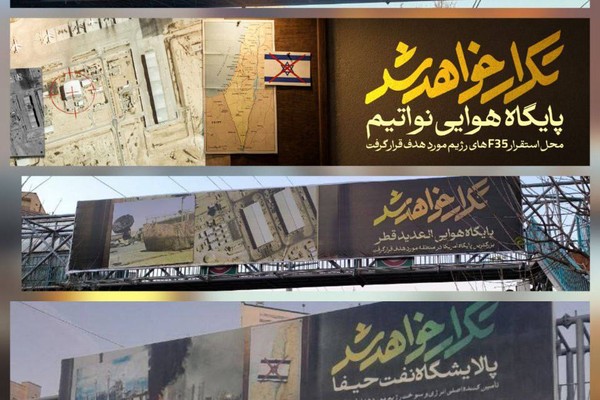
Iran erected banners across Tehran on Thursday threatening further attacks against Israel and a US base in Qatar, with state media publishing images of the banners showing maps and locations of strikes carried out during a 12‑day war in June.
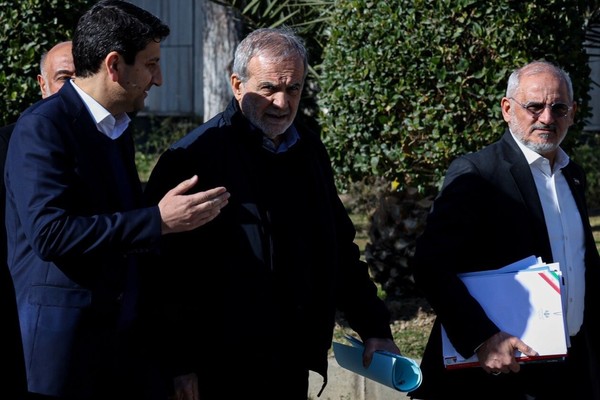
Tehran’s response to the protests this week has looked markedly different, whether out of calculation or necessity, with Iranian media reporting on the unrest, the government striking a conciliatory tone and the internet remaining largely accessible.
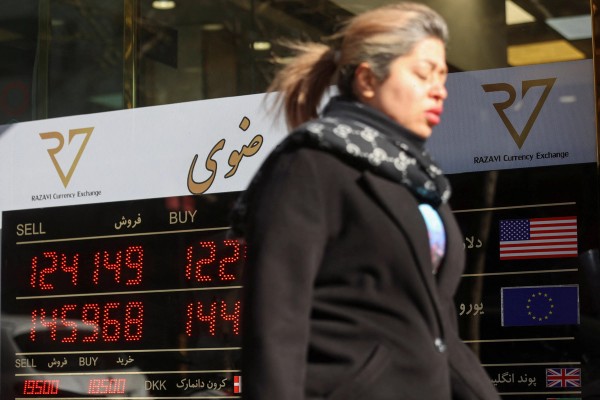
Iranian President Masoud Pezeshkian said on Thursday that his government would stop distributing a heavily subsidized exchange rate, blaming the system for encouraging rent-seeking and failing to protect households despite billions of dollars in state support.
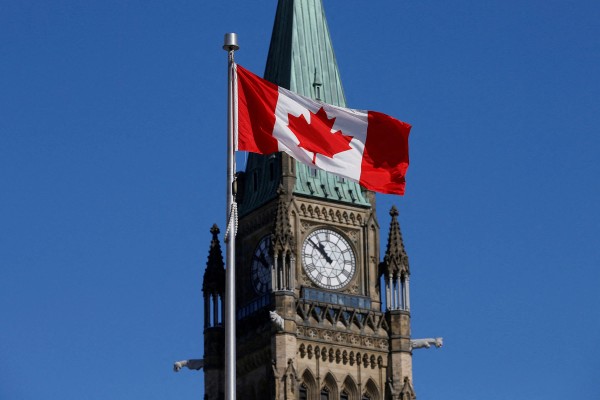
Canada on Wednesday rejected Iran’s decision to designate the Royal Canadian Navy as a terrorist organization, calling the move baseless and politically motivated and reaffirming its sanctions and human rights pressure on Tehran.
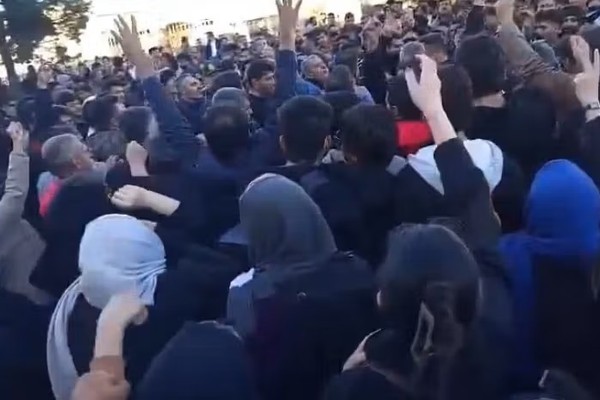
Nationwide protests were held in Iran for the fourth day in a row on Wednesday, with fresh rallies reported in multiple cities, a harsh response from security forces and growing calls for a regime change by both protesters and politicians across the world.
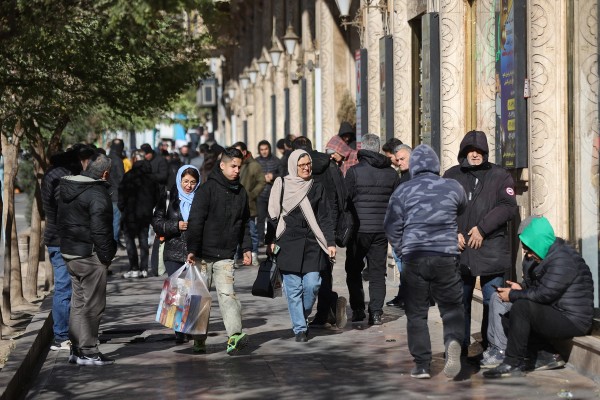
As protests over economic and political conditions enter a fourth day, Iran’s authorities appear to be pursuing a dual strategy—offering dialogue and limited concessions while issuing firm warnings to deter escalation.
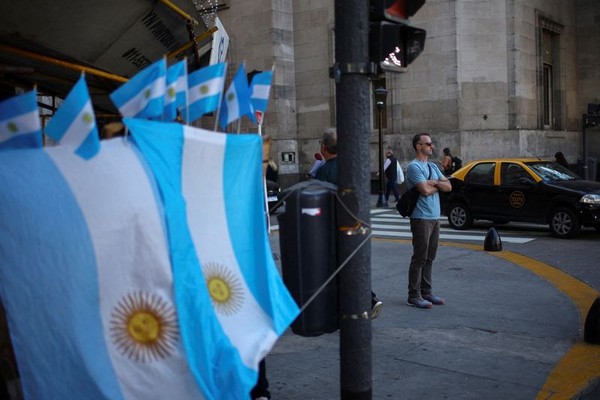
A landmark criminal lawsuit filed in Argentina by victims of the 2022 Woman, Life, Freedom movement signals a new push to hold Islamic Republic officials accountable beyond Iran’s borders.
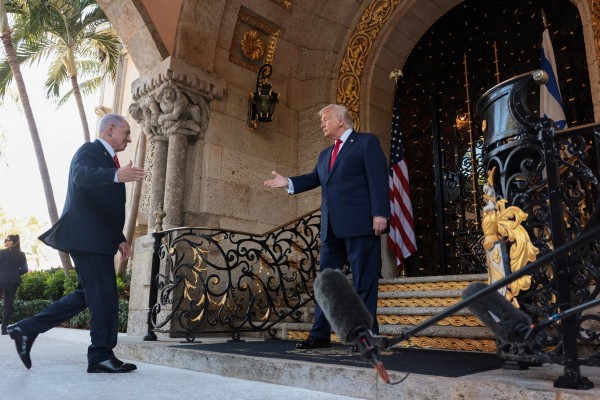
Israeli Prime Minister Benjamin Netanyahu raised the possibility of renewed military strikes on Iran during a meeting with US President Donald Trump on Monday, including what one US official described as a potential round two in 2026, Axios reported.
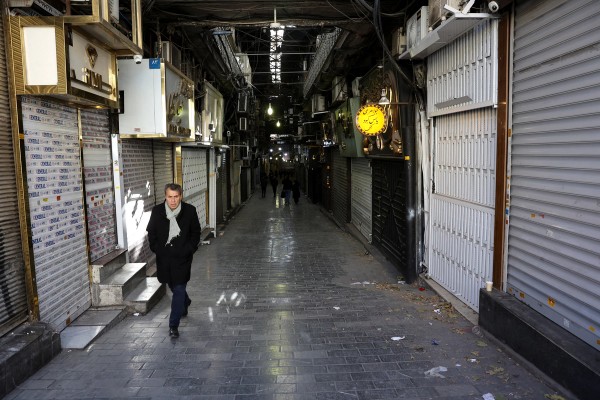
Iran’s bazaar strike, sparked by currency chaos and collapsing purchasing power, is widening beyond traders and shopkeepers – pulling in students and salaried workers as the anger is spreading across Iran’s squeezed middle and low-income households.