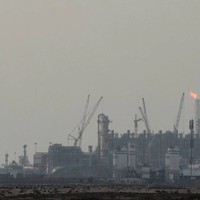
The report said the directive, approved by the cabinet on September 18 and issued on October 5, sets out a roadmap to gradually increase gasoline prices and restructure fuel subsidies. The plan would widen the price gap between gasoline and compressed natural gas to encourage drivers to switch to gas-powered vehicles.
It also mandates new consumption quotas and introduces multiple pricing tiers, meaning fuel purchases beyond the allotted share would be charged at a higher rate. Consumers would additionally bear the costs of transportation and fuel station commissions, while prices would rise annually in line with inflation. The directive says that next year, gasoline allocations will be granted in monetary value rather than volume.
Hours after the publication, Ali Ahmadnia, head of the government’s information office, denied any decision to increase fuel prices, calling the report inaccurate.
“The issue of revising fuel prices may arise in the next year’s budget,” Reza Sepahvand, a member of parliament’s energy committee, said on October 10. “Real cost of producing and importing gasoline, electricity, and gas is far higher than current retail prices, and maintaining this gap places a growing financial burden on the state,” he added.