• العربية
  • فارسی
BrandBrand
  • Iran Insight
  • Politics
  • Economy
  • Analysis
  • Special Report
  • Opinion
  • Podcast
  • Live TV
  • Iran Insight
  • Politics
  • Economy
  • Analysis
  • Special Report
  • Opinion
  • Podcast
  • Live TV
  • Theme
  • Language
    • العربية
    • فارسی
  • Iran Insight
  • Politics
  • Economy
  • Analysis
  • Special Report
  • Opinion
  • Podcast
  • Live TV
All rights reserved for Volant Media UK Limited
volant media logo

Tehran intensifies censorship after Assad's exit

Maryam Sinaiee
Maryam Sinaiee

Iran International

Dec 11, 2024, 21:14 GMT+0Updated: 12:11 GMT+0
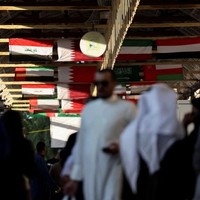
The front pages of Iranian newspapers following the ouster of Bashar al-Assad

Iranian authorities have tightened control on media and public figures in the aftermath of Bashar al-Assad’s fall and warned them not to draw any parallels between Syria under his rule and the situation in Iran.

In recent days, some state-controlled media and authorized public commentators have emphasized Assad’s unpopularity and the Syrian people’s unwillingness to defend his rule as rebels advanced toward the capital.

Some also reflected on the lessons the Islamic Republic should take from the events in Syria and suggested in mostly veiled terms that the same fate may befall the Islamic system if it fails to meet popular demands for social and political freedoms.

Some of the more outspoken views about Assad, which could be seen as indirect criticism of Iran's Supreme Leader Ali Khamenei, were conspicuously deleted after a few hours on Sunday and Monday without explanation.

Mahmoud Sadeghi, an outspoken reformist politician and former lawmaker, said the intelligence ministry contacted him and other unidentified political figures to warn them about “drawing a parallel between the deposed Syrian regime with the Islamic Republic of Iran's system.”

Sadeghi made the revelation in an open letter published on his Telegram channel Tuesday addressed to Supreme Leader Ali Khamenei.

“Public opinion has unfortunately made such an analogy.” Sadeghi wrote.

“This call made me wonder what has happened to our intelligence apparatus that instead of facing a grim reality such as the sudden and unexpected fall of Bashar al-Assad to properly analyze and understand its roots and dimensions and to seek help from political analysts, it is trying to cover it up and orders political activists to analyze the events according to (authorities’) wishes and views,” he wrote.

Sadeghi added that he had humbly warned the officer who contacted him, apparently by phone, that imposing these restrictions on the public would lead them to see “certain similarities with the deposed Syrian regime which bore the name of a republic but acted like a despotic monarchy and suppressed all voices of dissent instead of listening to those who protested and to carry out reforms.”

He also warned Khamenei that the Islamic Republic may have the same fate as Syria if the Supreme Leader does not take action to correct these wrongs during his lifetime.

The outspoken former lawmaker also said the Islamic Association of University Professors, of which he is a member, is prepared to offer a more comprehensive, confidential analysis of the current circumstances in the country and propose solutions to the Supreme Leader.

The news portal of the Association has run Sadeghi’s letter with the headline “Our System May Have the Same Fate as the Syrian One if You Do Not Correct these Wrongs” but besides the reformist Jamaran news website, no other Iranian newspaper or news website has so far given it coverage.

Dozens of Iranian activists and journalists have in the past four months also reported that authorities have blocked their cellphone SIM cards as an alternative to arresting them or other methods that require official action to force them into submission.

In a tweet on 5 December, a former journalist with the reformist Shargh newspaper, Elahe Khosravi, recounted how her friend’s registered SIM card had been blocked because of his social media activities. According to Khosravi, they were unable to acquire another SIM card because activating the new SIM card required confirmation of a code sent to the blocked registered number.

Others have reported that unexplained blocking of their SIM cards has deprived them of access to many online facilities including internet banking, academic platforms, and using two-step verification of their different online accounts.

Most Viewed

Workers in Iran sell organs to pay debts and cover living costs
1

Workers in Iran sell organs to pay debts and cover living costs

2
VOICES FROM IRAN

Missile city unveiling sparks anger over poverty, lack of shelters

3
INSIGHT

Trump wants to keep Iran blockade. Can the Persian Gulf sustain the standoff?

4
VOICES FROM IRAN

Students shiver in classrooms as Iran government warns of gas cuts

5
ANALYSIS

US targets Iran's land trade routes, but Tehran may hold firm

Banner
Banner
Banner
Banner
Banner
Banner
Banner

Spotlight

  • Iran state TV panelists urge tougher action against US blockade

    Iran state TV panelists urge tougher action against US blockade

  • France's cyberattack allegations against Iran should wake up Europe
    OPINION

    France's cyberattack allegations against Iran should wake up Europe

  • Trump wants to keep Iran blockade. Can the Persian Gulf sustain the standoff?
    INSIGHT

    Trump wants to keep Iran blockade. Can the Persian Gulf sustain the standoff?

  • Iran state TV debate signals cautious openness to nuclear talks

    Iran state TV debate signals cautious openness to nuclear talks

  • The price Iranians paid for 47 years of revolutionary promises
    ANALYSIS

    The price Iranians paid for 47 years of revolutionary promises

  • Trump’s Iran diplomacy faces a test: Can both sides claim victory?
    ANALYSIS

    Trump’s Iran diplomacy faces a test: Can both sides claim victory?

  • Food, medicine, hope: what Iran's economic crisis is costing its people
    VOICES FROM IRAN

    Food, medicine, hope: what Iran's economic crisis is costing its people