• العربية
  • فارسی
BrandBrand
  • Iran Insight
  • Politics
  • Economy
  • Analysis
  • Special Report
  • Opinion
  • Podcast
  • Live TV
  • Iran Insight
  • Politics
  • Economy
  • Analysis
  • Special Report
  • Opinion
  • Podcast
  • Live TV
  • Theme
  • Language
    • العربية
    • فارسی
  • Iran Insight
  • Politics
  • Economy
  • Analysis
  • Special Report
  • Opinion
  • Podcast
  • Live TV
All rights reserved for Volant Media UK Limited
volant media logo

Iranian journalist dies by suicide in protest at prisoners' plight

Nov 13, 2024, 18:11 GMT+0Updated: 15:22 GMT+0
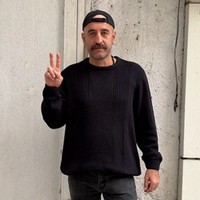
Iranian Journalist and activist Kianoosh Sanjari

Iranian journalist and activist Kianoosh Sanjari took his own life in Tehran on Wednesday after pledging the previous day that he would kill himself if four political prisoners he named were not released.

Sanjari’s death has drawn attention to the plight of detainees and the worsening human rights situation in the country.

In the early hours of November 13, Sanjari posted an ultimatum on X, demanding the release of four political prisoners: Fatemeh Sepehri, Nasrin Shakarami, Toomaj Salehi, and Arsham Rezaei.

“If by 7 PM today... their release is not announced on the Judiciary’s news website, I will end my life in protest against Khamenei's dictatorship and his accomplices,” he wrote.

After that deadline passed, Sanjari shared an image of himself atop a bridge in Tehran, captioning: “It is 7 PM Hafez Bridge.”

Hours later, his death was confirmed by sources in Iran, including activist Hossein Ronaghi, who wrote on X: “We did everything we could, since last night, and today, but Kianoosh passed.”

A legacy of resistance

Sanjari was a vocal critic of Iran's clerical rulers and an advocate for democracy and human rights. He had been repeatedly arrested and imprisoned by Iranian authorities between 1999 and 2007 for his activism.

During his time behind bars, Sanjari endured solitary confinement and what he described as white torture, or psychological abuse through sensory deprivation that left deep emotional scars.

Sanjari fled Iran in 2007, receiving asylum in Norway with the assistance of Amnesty International. While abroad, he worked with rights group the Abdorrahman Boroumand Foundation and the Iran Human Rights Documentation Center and later was a journalist for Voice of America in Washington DC.

However, his commitment to family brought him back to Iran in 2016, where he was swiftly arrested and sentenced to 11 years in prison on politically motivated charges.

During his time in custody, Sanjari was subjected to repeated abuse, including forced hospitalization in psychiatric facilities and electric shock treatments. He once recounted: "At night the nurse injected me with something that locked my jaw... When I woke up, my hands and feet were chained to the bed."

100%
Kianush Sanjari, Iranian journalist and activist

Sanjari’s death comes amid ongoing campaigns by Iranian authorities to smother dissent. Since the Women, Life, Freedom protests ignited by the death of Mahsa Amini in September 2022, Iran executed at least nine protesters involved in the unrest and sentenced dozens more to death.

A call to action

The individuals Sanjari championed in his final message are key dissidents in Iran.

Fatemeh Sepehri, a political prisoner and vocal critic of the Islamic Republic, was imprisoned despite her heart condition. Nasrin Shakarami, mother of slain protester Nika Shakarami, was recently detained without clear charges. Toomaj Salehi, a rapper known for his protest songs, received the death penalty before the sentence was commuted to imprisonment. Arsham Rezaei, another political activist remains detained in Evin Prison..

Sanjari’s death echoes the suicide of 38-year-old Mohammad Moradi in Lyon, France, who drowned himself in December 2022 to draw international attention to Iran’s crackdown on human rights.

Before his death, Moradi recorded a video pleading for global support: “We want to change our country to a democratic country with equal rights for women and men.”

Human rights organizations have long criticized Iran’s judiciary for its lack of transparency and reliance on coerced confessions.

Domestically, the Islamic Republic's strategy of silencing dissent through intimidation and harsh penalties has fueled anger and resistance.

Sanjari's final words posed a rebuke to Iranians and the international community alike: “Perhaps it will be a wake-up call! Long live Iran.”

Most Viewed

Truck drivers strike across Iran over economic hardship
1

Truck drivers strike across Iran over economic hardship

2

Trump threatens Iran strikes in new year, says blockade runners will be sunk

3

Inside Iran's online gun market, where a few messages can start a deal

4

Tehran's subsidence zone expands 20% in two years

5
EXCLUSIVE

Family source recounts Iranian girl's alleged killing by father

Banner

Spotlight

  • ‘The city smelled of blood’: Witness recalls Iran protest crackdown

    ‘The city smelled of blood’: Witness recalls Iran protest crackdown

  • Iran-linked hackers posed as US expert to target Australian broadcaster
    PODCAST

    Iran-linked hackers posed as US expert to target Australian broadcaster

  • Who gets to be a journalist? Iran seeks greater control over press
    INSIGHT

    Who gets to be a journalist? Iran seeks greater control over press

  • Iran hardliners push tanker convoy to defy US blockade

    Iran hardliners push tanker convoy to defy US blockade

  • War damage leaves Iran with few options to avert winter gas crunch
    ANALYSIS

    War damage leaves Iran with few options to avert winter gas crunch

Banner
Banner
Banner
Banner
Banner
Banner