Doubts Loom Over Iranian Election Figures Amidst Discrepancies

The dust has settled on the highly engineered 2024 parliamentary election polls in Iran, prompting an evaluation of the management mechanisms and outcomes for the regime.
The dust has settled on the highly engineered 2024 parliamentary election polls in Iran, prompting an evaluation of the management mechanisms and outcomes for the regime.
Following each manipulated election in Iran, where the precise level of participation remains undisclosed, and the resulting parliament remains loyal to the Supreme Leader, it becomes feasible to discern the impact on the regime's stability.
In brief, the fraudulent elections of 2024 not only failed to alleviate doubts regarding Iran's electoral procedures but exacerbated them. While such elections carry certain advantages, including a facade of democracy, temporary regime propaganda, and the stirring of dissent among opposition factions regarding participation, these benefits come at a cost. With the increasing challenges of manipulating votes, deceiving the public, and clandestinely tampering with ballots in the digital era, the feasibility of sustaining these manipulations is dwindling.
The lowest turnout ever delegitimized the next Majles (parliament) and Experts Assembly when the government desperately needed more legitimacy after its image became badly damaged in 2022-2023 repressions against the Mahsa Movement. The figures provided by the Ministry of the Interior and government propaganda channels regarding eligible voters (61 million instead of 65 million), disqualification of hundreds of candidates, and total turnout (40 or 41 percent compared to a more realistic 16-34 percent) have raised considerable doubts among the populace.
Materials related to these doubts are still being published in Iran, although the IRGC spokesman ordered news websites to stop discussing the elections three days after the vote and even before announcement of the official results.
Continued skepticism about statistics
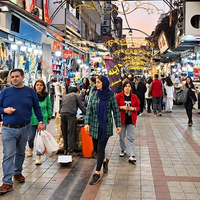
Not only the opposition and the people in the streets and bazaars, but also former officials who are still in contact with government personnel, do not believe the official results. "Based on the calculations of the voting in Tehran and the most votes obtained, it seems that there were more than 500,000 invalid votes in Tehran," says Ali Rabi’i, a former high-ranking member of the Ministry of Intelligence in three administrations, and Minister of Labor. He is aware that he will be prosecuted if he does not have reliable sources. The government claims that well over 1.5 million votes were cast in Tehran without announcing the exact number, so blank or invalid protest votes were at least 25-30 percent of the total.
Glorious elections
Iranian officials called the election a miracle and epic. However, the candidates with the highest votes in 31 provinces won an average of 5% (from 2% to 17%) of votes according to the manipulated statistics of the Ministry of Interior from the 18-year-old and above population. Despite the non-participation of 59%, according to the official statistics, the many Reformists are still trying to prove their loyalty to the regime and their followers despite the fact that the regime barred them from the elections. Former President Mohammad Khatami did not even mention that he was not going to vote before the election day, which could have reduced participation even more.
The hardliners who engineered and carried out the now failed elections try to justify the low turnout by an inverted logic and strange excuses, while at the same time boasting about “good elections.” One of the excuses is the impact of US sanctions on voters, while according to their own logic of popular anti-American support, participation should have been higher. They also argue that if Supreme Leader Ali Khamenei’s guidelines and policies were fully implemented, more people would have voted. In fact, the current economic crises and the harsh repressive policies that drove away the voters are the direct results of Khamenei’s policies. His foreign policy, for example, has brought on the economic sanctions and lack of normalcy in Iran’s international ties that have impoverished the voters.