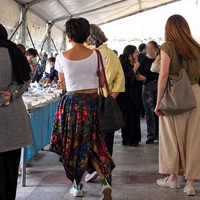
Iranians buying new clothes for the Norouz holidays in northern Tehran (file photo)
Two weeks before the Norouz (Nowruz) Iranian New Year, reports received by Iran International indicate a significant drop in people’s purchasing power and the elimination of many food items in their diets.
According to what audiences have reported to Iran International, items such as red meat, chicken, fish, rice, and dairy products had the highest share among the goods removed from households' consumption baskets.
Iran’s currency, rial, has lost 20 percent of its value since early January, which directly contributes to rising prices of wheat, rice and animal feed that are largely imported and subject to currency fluctuations.
Annual inflation in Iran has hovered at or above 40 percent since 2019, one year after the United States withdrew from the 2015 JCPOA nuclear deal and imposed sanctions on the main source of Tehran’s revenues; oil exports. The already weak economy, over-burdened by government control and limited international trade, has shrank further in the past five years. Real incomes have decreased many-fold pushing tens of millions of people into poverty.
Now, at the onset of the New Year on March 21, legumes, milk, nuts, and pistachios, cheese, clothing, and eggs are among other items that, according to audience feedback reports, have been removed from their shopping baskets or purchased in limited quantities in some cases. Iran International, like many other media outlets, are not allowed to have a presence in Iran and audience feedback constitutes one of the main sources of information.
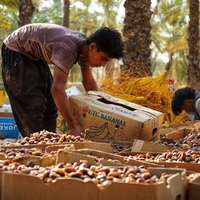
Norouz nuts are one of the main components of family gatherings during the holidays.
Some have also expressed concern about the worsening economic conditions in the near future, stating that they have been unable to afford their children's favorite foods for a long time. The unchecked drop in the value of the rial, price inflation and lack of adequate pay increases are the main reasons for people’s pessimism.
Newspapers in Iran report that canned tuna prices have jumped by 113% in the past 12 months and prices for red meat by 100%. As protein-rich foods become unaffordable for ordinary people, Eghtesad 24 website reported recently that one-third of Iranians live below the “poverty line.”
One of Iran International's audience members, referring to the fact that due to high prices, chicken and red meat have been removed from his table in the past year, said: "We can no longer afford to buy rice, and with this situation of inflation, no one is accountable, and we do not know what future awaits us."
A retired person sent a message saying that he and his family struggle because his income is far below of what it was when he was employed, and inflation was lower. “In these circumstances, we do not have the purchasing power for buying new clothes for New Year’s Eve and must suffice with buying basic necessities. Our life is such that we can only survive,” he said.
Reza Gheybi, an economic reporter, told Iran International that food and consumer items related to the New Year have become more expensive in recent days and some supermarket chains have even began selling to consumers on credit. The government is thinking of providing emergency loans of up to $400 (200 million rials). However, the government can only afford assistance by printing more money, which in turn lowers the value of its currency and makes inflation worse.
Before the 1979 revolution, the dollar was worth just 70 rials and Iran was one of the richest countries in Asia. In the 1970s, Iran hosted guest workers from South Korea and other countries amid a high annual growth rate.
One person told Iran International this week that bananas have been removed from their family's shopping basket and they are forced to buy low-grade oranges. "Consider that we are from the middle class. Those who are economically weaker than us may even end up picking from trash cans."
One of the audience members, referring to the removal of many items from their family's table, said, "I attribute all of these to the fact that the country is not being managed well; otherwise, with all this wealth and resources, we should not live like this."