Iran Increases Minimum Wage By 20% AS Inflation Nears 50%

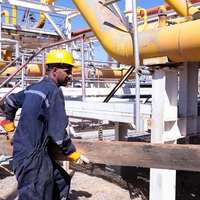
Iranian workers are set to receive a government approved average salary increase of 20 percent starting in March, amid an annual inflation rate of around 50 percent.
Iranian workers are set to receive a government approved average salary increase of 20 percent starting in March, amid an annual inflation rate of around 50 percent.
The new minimum monthly wage has been set at 115 million Iranian rials or about 230 US dollars.
Ali-Asghar Annabestani, the head of the parliamentary committee on wages and salaries said on Thursday that a “uniform salary increase of 15 million rials is approved for all employees, resulting in a minimum wage of 115 million rials."
The development comes at a time when the purchasing power of consumers is closely tied to the US dollar rate, which is currently at 520,000 rials. The high likelihood of the rial depreciating further in the next year starting in March poses a challenge, potentially diminishing the value of the minimum wage against the dollar.
Persistent inflation and a sluggish economy have significantly diminished the purchasing power of ordinary Iranians, leading to tens of millions falling into the category of "working poor." Experts highlight that the poverty line for Tehran residents is approximately 300,000,000 rials (approx. $600) per month, three times the current minimum wage.
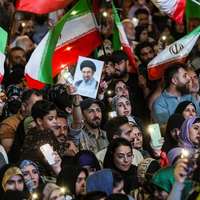
Reports suggest that workers' wages now cover only about 60% of their monthly household expenses. Despite Article 41 of the Labor Law assigning the Supreme Labor Council to determine the minimum wage annually, the government retains the discretion to adjust wages based on its interests. This has contributed to widespread labor protests in recent years.
While a minimum wage increase aims to alleviate financial burdens for workers, it raises concerns about overall business costs. Such increases result in layoffs or a reluctance to hire new employees, further complicating the balance between economic stability and workers' rights.