• العربية
  • فارسی
BrandBrand
  • Iran Insight
  • Politics
  • Economy
  • Analysis
  • Special Report
  • Opinion
  • Podcast
  • Live TV
  • Iran Insight
  • Politics
  • Economy
  • Analysis
  • Special Report
  • Opinion
  • Podcast
  • Live TV
  • Theme
  • Language
    • العربية
    • فارسی
  • Iran Insight
  • Politics
  • Economy
  • Analysis
  • Special Report
  • Opinion
  • Podcast
  • Live TV
All rights reserved for Volant Media UK Limited
volant media logo

Iranian Teachers Call For Protest Against School Chemical Attacks

Maryam Sinaiee
Maryam Sinaiee

Iran International

Mar 2, 2023, 17:48 GMT+0Updated: 17:37 GMT+1
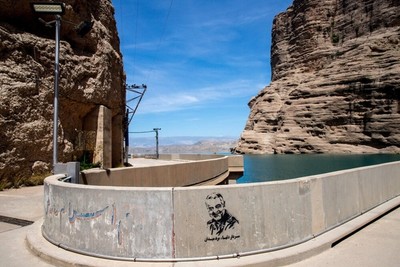
Two schoolgirls hugging each other after a poisonous gas attack at their school

A teachers’ union in Iran has urged members to stage a protest Tuesday to condemn school gas attacks while another group has demanded an explanation from the Supreme Leader.

At least 58 schools in one-third of the country’s provinces have been attacked by unidentified gases since November 30 when the first case of poisoning among schoolgirls was reported in the religious city of Qom. Around 1,000 students have become ill with the mysteriously dispersed, unidentified fumes so far.

Qom, capital of a central province of the same name with 30 schools, Ardabil, capital of the northwestern Ardabil province with 9, and the capital Tehran with 8 schools lead the list of the most targeted cities.

The Coordination Council of Iranian Teachers' Trade Associations on Wednesday released a statement and urged teachers and the people of Iran to stage rallies on March 7 outside the parliament in Tehran and in front of the education department headquarters in other cities to demand urgent resolution of school attacks as well as teacher’s own problems including a wage increase for the next year that takes the factor of inflation into account.

Iranian Teachers' Trade Association, a national teachers’ union, in a statement Wednesday criticized the government for three months of denials of the attacks on girls’ schools.

“There is strong suspicion that the purpose of the attacks is quashing the Woman, Life, Freedom movement by instilling fear among girls and their families,” the statement said while demanding Supreme Leader Ali Khamenei and other top religious figures to condemn the attacks expressly and decisively.

Iranian Teachers' Trade Association called the attacks “bioterrorism” and said expecting concrete action against perpetrators appears unrealistic given the authorities’ failure to offer concrete explanations about similar incidents, such as a spate of acid attacks in Esfahan in 2014 against women whose hijab was not deemed appropriate. Authorities never pursued religious fundamentalists who were suspected in the acid attacks.

In the past few years, the union whose members are highly critical of the regime has organized several nationwide teachers’ protests and strikes against low wages and for recognition of equal rights with other civil servants. Members, including some of the union’s leaders such as Rasoul Bodaghi, are often subjected to harassment, prosecution and imprisonment for their union activities. 

Iranian Teachers’ House, another teachers’ association, in a statement Wednesday also demanded Khamenei to be accountable for the attacks that it called “state-sponsored terrorism and said “the theory that the state is behind the terror [attacks]” would be more plausible if he did not publicly address the issue.

“Targeting girls’ schools is a malicious act against the progressive Woman, Life, Freedom slogan [of protesters]. Obviously, the leader and the security and military bodies under his command will be responsible for any incidents [that happen],” the statement said.

Iranian Teacher’s Islamic Association, Iran Teachers’ Association, and Teacher’s Society of the Islamic Iran also wrote a joint letter to Interior Minister Ahmad Vahid who was tasked with probing the incidents of poisoning in schools by President Ebrahim Raisi on Wednesday. The three groups also requested a permit to stage a rally outside the ministry in Tehran on Wednesday.

Opposition parties and groups often complain their requests for rally permits are always ignored by the ministry.

In an Instagram post Thursday, the office of Unicef in Tehran said schoolgirls’ poisoning could negatively impact the high education coverage among children, especially girls, achieved over the past decades and offered to provide any needed support.

Most Viewed

Iran’s dams may have been built to support missile bases - NYT
1

Iran’s dams may have been built to support missile bases - NYT

2

Iranian girl's suspected honor killing raises questions over school's role

3

Daily reports secret bread rationing in two Iranian provinces

4

'Our turn to play': Iran hardliners call for breaking US blockade

5

US strikes Qeshm Island after Iran drone attack on American base in Bahrain

Banner
Banner
Banner
Banner
Banner
Banner
Banner

Spotlight

  • Tehran seizes on NYT dam report to widen retaliation threats

    Tehran seizes on NYT dam report to widen retaliation threats

  • How Iranians are turning grief into defiance
    OPINION

    How Iranians are turning grief into defiance

  • A cow's sit-in: why a comedy sketch struck a nerve in Iran

    A cow's sit-in: why a comedy sketch struck a nerve in Iran

  • Iran could launch dirty-bomb attack, but risks make it unlikely, experts say
    ANALYSIS

    Iran could launch dirty-bomb attack, but risks make it unlikely, experts say

  • Iran's wartime rallies turn against officials, fuel political feuds

    Iran's wartime rallies turn against officials, fuel political feuds

  • How Thai clerics in Iran were recruited to attack Israeli embassy in Bangkok
    EXCLUSIVE

    How Thai clerics in Iran were recruited to attack Israeli embassy in Bangkok

  • Iraq’s move on militia stronghold may do little to curb Iran’s influence
    ANALYSIS

    Iraq’s move on militia stronghold may do little to curb Iran’s influence

Tweet unavailable