With Iran ‘In Discord,’ DC Think-Tank Wants New Ideas

The Atlantic Council, a leading Washington think-tank, this week announced a new forum to debate the future of Iran and offer policy recommendations.
The Atlantic Council, a leading Washington think-tank, this week announced a new forum to debate the future of Iran and offer policy recommendations.
In a press release December 2, the council said the ‘Iran Strategy Project’ reflected “the unprecedented level of discord and uncertainty in Iran” and was “driven by recent events,” including the “women-led Iranian social movement demanding freedom and autonomy, the near-term potential for a new Supreme Leader, Iran’s evolving role in the region…and the likely end of the Joint Comprehensive Plan of Action (JCPOA).”
The council described the JCPOA – the 2015 Iran nuclear deal, which the US left in 2018 – as “the prism through which US and European policy toward Iran has been based for much of the past decade.”
Founded in 1961, the Atlantic Council stands broadly for a close relationship with Europe and a philosophy of ‘Atlanticism.’ This put it at odds with former president Donald Trump, who ignored European objections in withdrawing the US from the JCPOA and unleashing ‘maximum pressure’ sanctions against Iran. Former journalist Barbara Slavin, who led the Atlantic Council’s work on Iran and will shortly leave, was a prominent advocate of the JCPOA.
While President Joe Biden came to office in 2021 committed to reviving the JCPOA, 18-months of multilateral and bilateral talks saw Washington and Tehran failing to agree how to restore the 2015 agreement, leaving draconian sanctions in place and the Iranian nuclear program expanding. Recent protests in Iran, and Tehran’s military cooperation with Russia, have emboldened enthusiasts of ‘maximum pressure’ and put JCPOA supporters on the back foot.
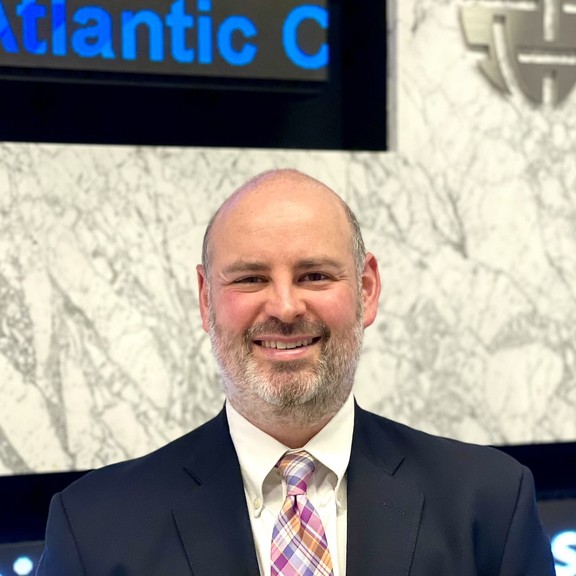
The ‘Iran Strategy Project’ will be led by Jonathan Panikoff, a former US intelligence officer, with an advisory board including General Frank McKenzie, former US commander in the Middle East, Michael Morell, former deputy director of the Central Intelligence Agency, and Stuart Levey, a banker who as US Treasury undersecretary 2004-11 was a major architect of the current sanctions regime.
Taking a ‘holistic look’
Also on the board will be Sanam Vakil of the Middle East and North Africa program at Chatham House, London, Rob Macaire, British ambassador to Iran 2018-21, Ladan Boroumand, founder of the Washington-based Boroumand Centre, and Marjan Keypour, director of the Alliance for Rights of Minorities and active supporter of Israel.
Panikoff said the project would take “a holistic look” at all issues relating to Iran – “political, human rights, security, economic, nuclear, social, and natural resources” – and that it would offer a “forum for experts across the political spectrum, and with varying functional expertise, to discuss and debate the future of Iran, and to provide concrete strategic options for policymakers.”
The choice of advisory board suggests the Iran Strategy Project will look to balance an appraisal of US security interests with wider concerns. Its work is likely to be relatively dispassionate, even if this is hard given the passionate nature of debates over Iran. The Atlantic Council has substantial funding, including from the United Arab Emirates, the United Kingdom, Saudi-Lebanese billionaire Bahaa Hariri, the Rockerfeller Foundation, and Facebook.