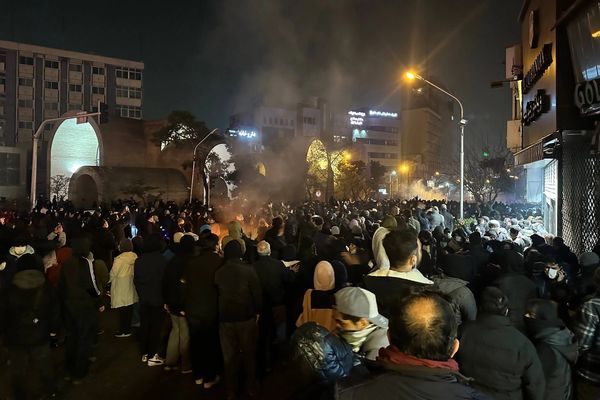
Iran executes protester over January uprising
Iran executed a man on Saturday over his involvement in January anti-establishment protests, whom authorities said acted on behalf of Israel’s Mossad intelligence service.
Iran executed a man on Saturday over his involvement in January anti-establishment protests, whom authorities said acted on behalf of Israel’s Mossad intelligence service.
A US federal indictment has charged an Iranian national with coordinating a large-scale migrant smuggling operation into the United States, the Justice Department said on Friday.
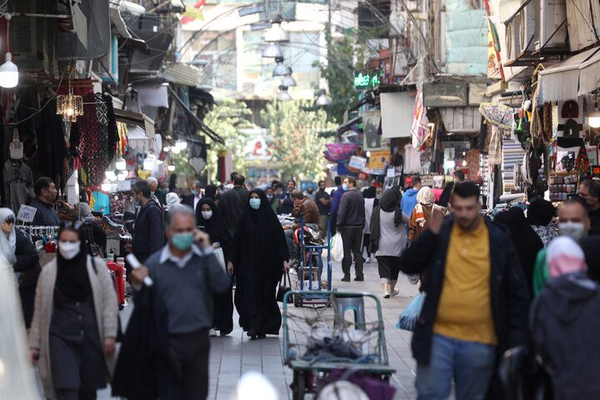
Iran’s economy is heading into a period of sharp deterioration following the March war, with mounting pressure from inflation, currency depreciation and damage to key industries raising the risk of a broader crisis.
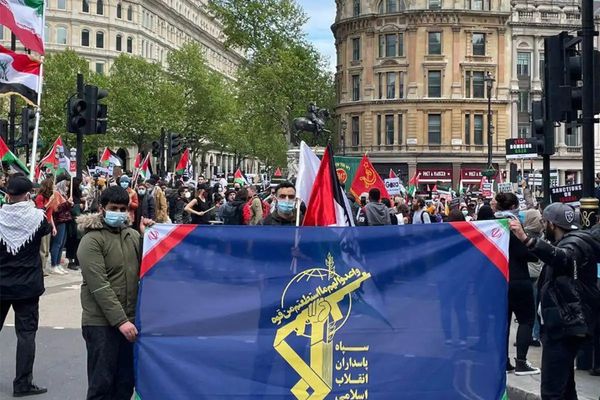
UK Prime Minister Keir Starmer pledged to introduce legislation to proscribe Iran’s Islamic Revolutionary Guard Corps (IRGC) in the next parliamentary session, in an interview with the Jewish Chronicle.
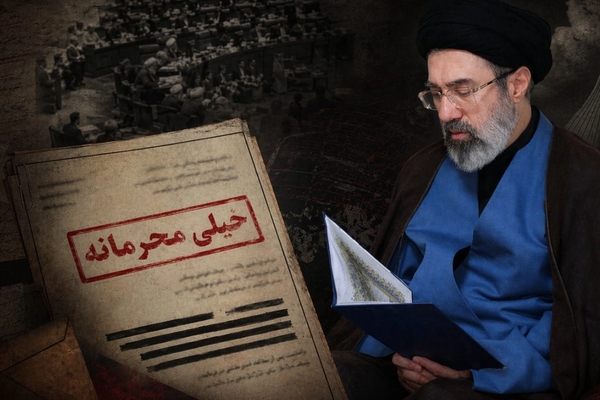
The real story behind Tehran’s sudden “unity” campaign did not begin with Donald Trump’s accusations of disarray within Iran’s leadership. It began with a secret letter to Mojtaba Khamenei.
A journalist from LBC was offered payment by an alleged Iran-linked contact to carry out a street-level act of vandalism within hours of contact, the British broadcaster reported on Friday.
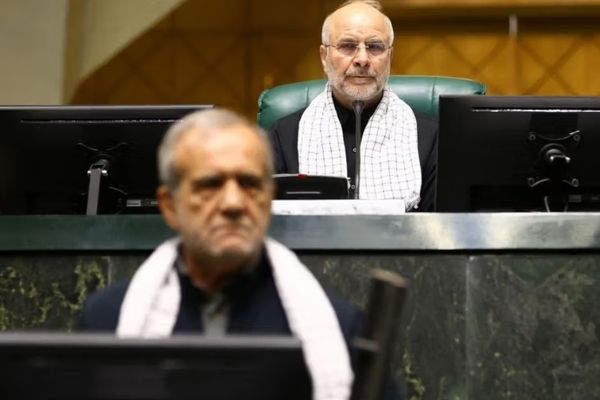
Iranian officials rushed to present a unified front after US President Donald Trump questioned who leads the Islamic Republic, highlighting sensitivities over internal divisions and uncertainty at the top of the political system.
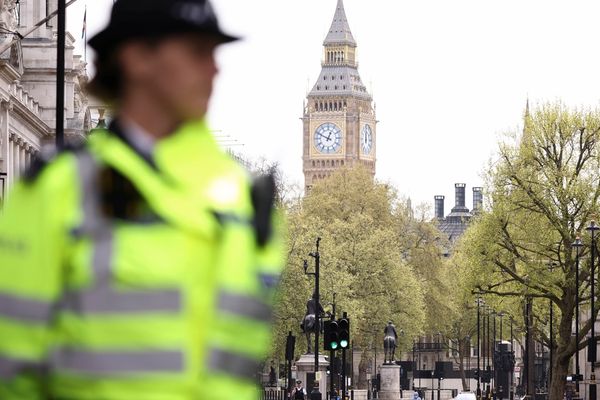
Two men accused of carrying out surveillance on Jewish and Israeli-linked sites in London on behalf of Iran are due to appear at the Central Criminal Court on Friday for a preliminary hearing.
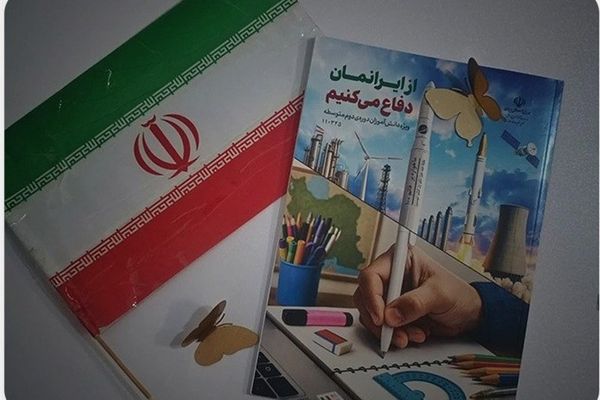
Iran plans to include the recent war with the United States and Israel in school textbooks, the education minister said, referring to what officials call the “third imposed war,” the latest conflict now under a ceasefire extended by US President Donald Trump.
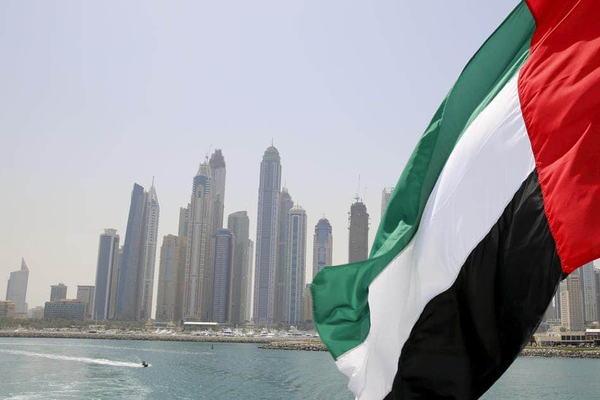
Iran-UAE ties have unraveled over the past two months, beginning with Iranian airstrikes on Emirati targets during the US-led war and escalating into a crisis that now threatens one of Tehran’s most vital trade and financial channels.
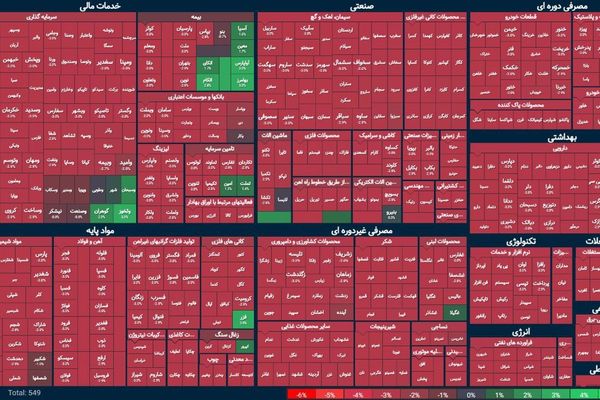
After nearly two months of closure, Tehran’s stock market is preparing a phased reopening, but deep structural flaws, lack of transparency and uncertainty over US negotiations threaten to turn the restart into a fresh crisis.
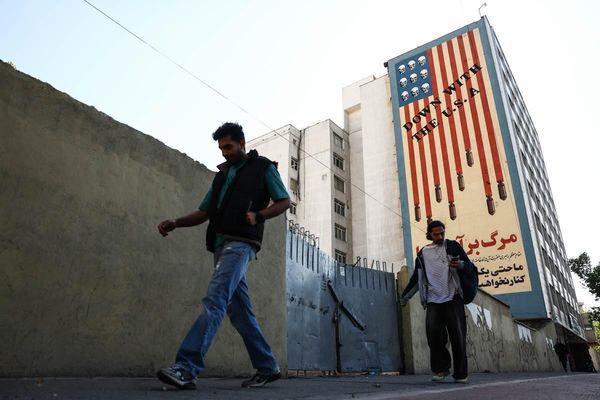
As debate over a ceasefire and renewed talks with the United States intensifies, the absence of a clear supreme arbiter in Tehran appears to be giving Iran’s hardliners more room to shape the narrative and to hinder any eventual agreement.
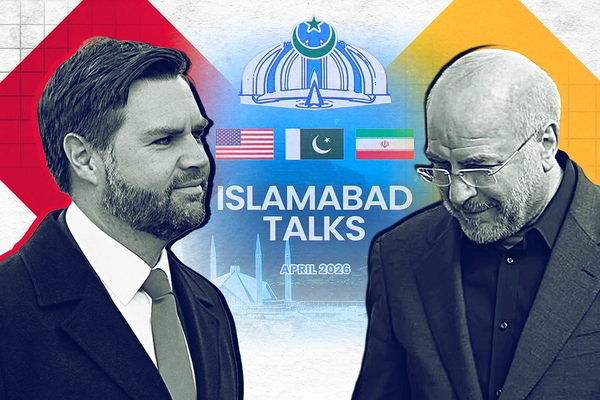
Divisions within Iran’s leadership prevented a negotiating team from traveling to Islamabad for talks with the US, Iran International has learned.
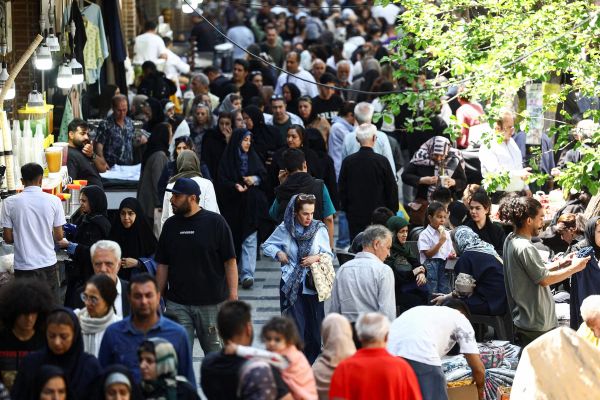
Food prices surged and basic goods slipped out of reach across Iran, citizens told Iran International in recent days, describing shortages and daily price jumps following a ceasefire that has coincided with worsening economic conditions.
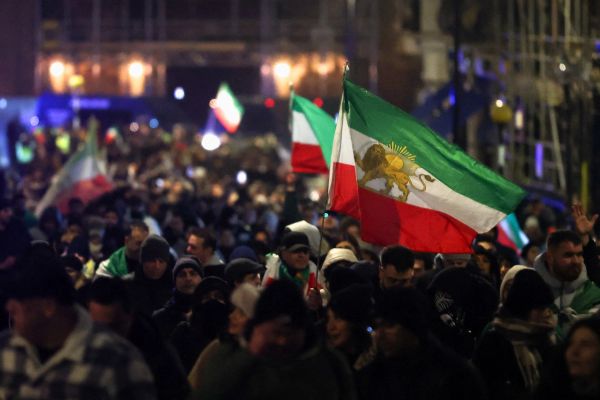
The Islamic Republic is escalating its campaign against the diaspora, moving beyond domestic seizures to explore the confiscation of assets held by Iranians in foreign countries and possible revocation of their citizenship.
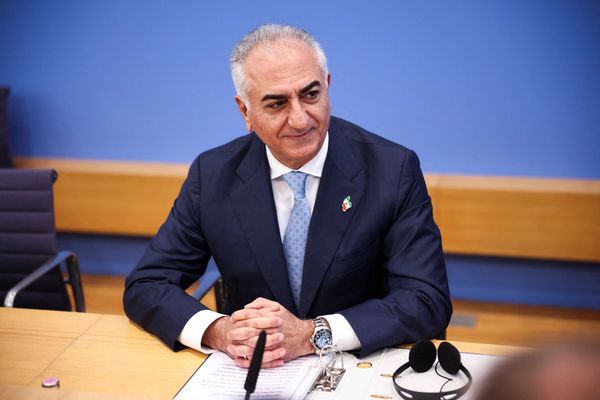
The Islamic Republic’s negotiators in talks with the US are “different faces of the same machine,” that suppresses the Iranian people, exiled Prince Reza Pahlavi said at a press conference in Berlin on Thursday.
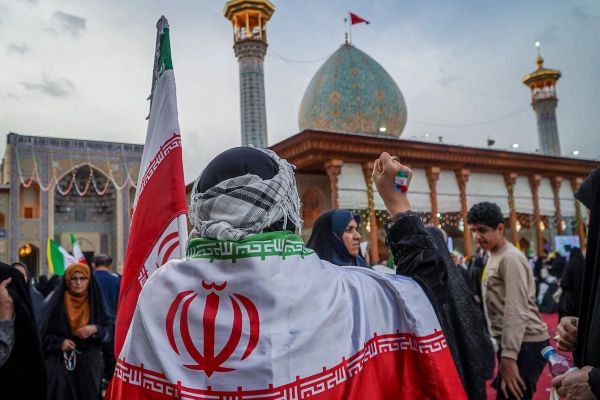
Iran’s state broadcaster has sparked ridicule after claiming that 87% of Iranians support continuing the war with the United States, in a curious turn from early in the conflict where pro-war sentiments of an alienated populace was branded treachery.
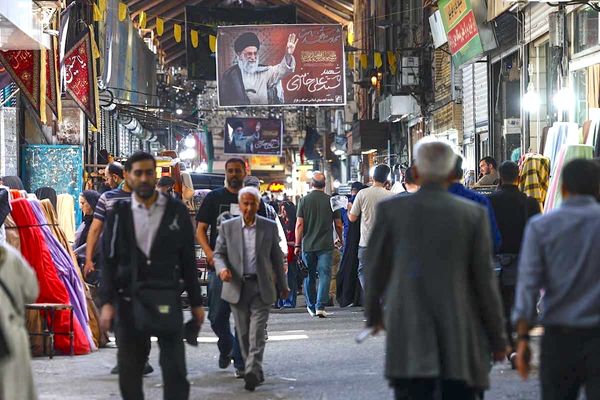
As uncertainty clouds the next round of Iran-US talks, the economic pain of the war is mounting inside Iran and beyond, increasing pressure on both sides to find a way out.
Iran’s new “Internet Pro” rollout may tighten state control in the short term, but experts who spoke to Iran International question whether the Islamic Republic can sustain a class-based internet in one of the Middle East’s most connected societies.
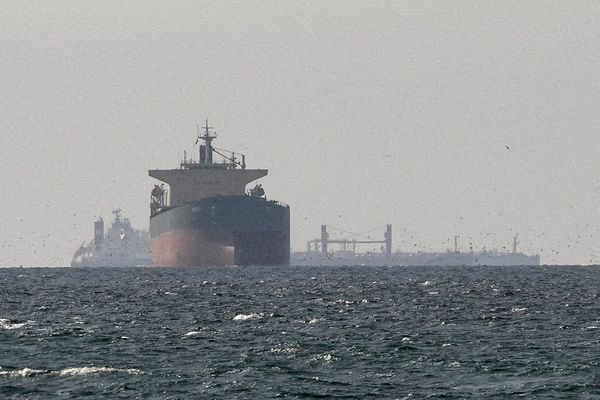
Iran’s Islamic Revolutionary Guard Corps Navy said it had seized two vessels in the Strait of Hormuz and directed them toward Iranian shores, hours after Donald Trump said the United States would extend a ceasefire with Iran.
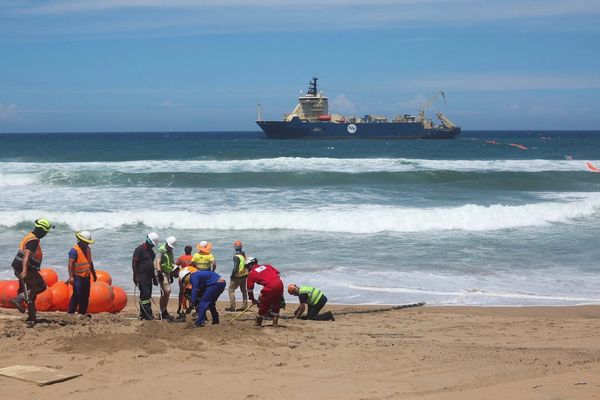
IRGC-linked Tasnim has pointedly mapped the Persian Gulf’s undersea internet cables and cloud infrastructure in what appears to be a thinly veiled warning that the region’s digital backbone may now be in Iran’s line of fire.