The incidents were reported in Faryab county in Kerman province and in Taftan county in Sistan and Baluchestan, where residents had gathered to protest mining projects they say have damaged local livelihoods or excluded native communities from the benefits of natural resources.
The Baluch rights group Haalvsh said at least eight Baluch women were injured and six people, including three women, were arrested on Wednesday after forces attacked a protest over a chromite mine in Pashmoki, a village in Faryab county.
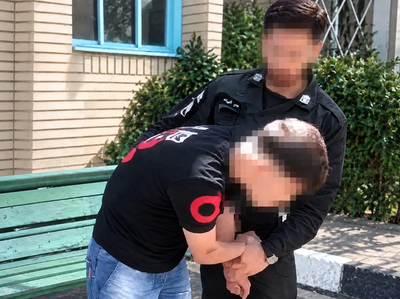
According to Haalvsh, residents were protesting what they described as the transfer of mining benefits to people with influence while local communities remain deprived of the economic gains. Videos published by the group show uniformed forces confronting women and other residents, with several women seen being pushed, struck or beaten.
Haalvsh said the detainees had been taken to an unknown location and their families had not received clear information about their condition or whereabouts.
The Pashmoki incident came less than 48 hours after Haalvsh reported another assault on Baluch women protesting activity linked to the Taftan gold mine in Sistan and Baluchestan province.
In that case, women in Sarsiah village said forces insulted, threatened and beat them after they objected to the mine’s impact on local water, farmland and daily life. Haalvsh said one woman was injured in the head after being struck with the butt of a weapon.
The immediate disputes are local, but the anger around them is rooted in a much wider sense of exclusion. Residents say mining projects are damaging water resources, disrupting villages and enriching others while Baluch communities remain poor.
Sistan and Baluchestan has long been one of Iran’s most deprived provinces. Its mostly Sunni Baluch population has faced discrimination, underdevelopment and heavy security pressure under the Islamic Republic. The region has repeatedly seen deadly crackdowns, including the 2022 “Bloody Friday” killings in Zahedan.
Human rights groups have also documented the disproportionate use of executions against Baluch prisoners, especially on drug-related charges. Amnesty International said Baluch people accounted for 29% of Iran’s drug-related executions in 2023 despite making up about 5% of the population. Iran Human Rights said Baluch prisoners represented 17% of drug-related executions in 2024, while forming an estimated 2% to 6% of Iran’s population.
Molavi Abdolhamid, the influential Sunni cleric in Zahedan, has repeatedly criticized the execution of Baluch prisoners. He said in 2023 that many people executed on drug-related charges had been accused of sales worth as little as $15 to $20, and that poverty, unemployment and lack of infrastructure had pushed some people in the region into smuggling fuel, goods or drugs as a lifeline.
That background is why the beatings at the mine protests have resonated beyond the two villages. The images show Baluch women, among the most marginalized voices in Iran, confronting security forces over the basic question of who benefits from the wealth beneath their land.
The Islamic Republic often frames unrest in Baluch areas through the language of security, smuggling or separatism. But the protests in Pashmoki and Sarsiah point to another reality: communities demanding water, livelihood, dignity and a say over local resources, and being met with batons, threats and arrests.