• العربية
  • فارسی
BrandBrand
  • Iran Insight
  • Politics
  • Economy
  • Analysis
  • Special Report
  • Opinion
  • Podcast
  • Live TV
  • Iran Insight
  • Politics
  • Economy
  • Analysis
  • Special Report
  • Opinion
  • Podcast
  • Live TV
  • Theme
  • Language
    • العربية
    • فارسی
  • Iran Insight
  • Politics
  • Economy
  • Analysis
  • Special Report
  • Opinion
  • Podcast
  • Live TV
All rights reserved for Volant Media UK Limited
volant media logo

Period poverty, stigma deepen hardships for Iranian women

May 26, 2026, 12:29 GMT+1
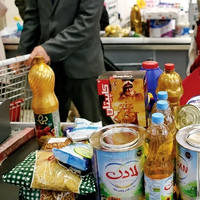
File photo of a woman and child outside a shop in Iran, where soaring inflation and declining purchasing power have deepened concerns over period poverty and access to basic hygiene products for low-income families.

Rising prices for menstrual hygiene products and persistent social stigma are worsening conditions for women in Iran, with many forced to miss school, reuse disposable products or forgo basic care altogether, the Shargh newspaper reported ahead of World Menstrual Hygiene Day.


The report described how menstruation remains shrouded in shame and silence for many Iranian girls, particularly in smaller towns and poorer communities, where limited education and cultural taboos leave adolescents unprepared for puberty.

One student in a village near Miandoab told Shargh she avoided leaving her classroom during breaks out of fear classmates would notice blood stains on her clothes. Another girl believed she had cancer when she experienced her first period.

“Absence from school is one of the first reactions many girls have when they experience menstruation,” a teacher identified as Nazanin told the newspaper. “The less awareness there is in the family, the more common this behavior becomes.”

Rising costs force unsafe alternatives

Inflation, the report said, has sharply increased the cost of sanitary pads and other hygiene products, particularly affecting women in low-income and marginalized areas.

100%

Somayeh, a 38-year-old worker in a food packaging workshop near Tehran, said long shifts and limited bathroom access often force her to delay changing sanitary products for hours.

“When you have to choose between buying food for your children or sanitary pads for yourself, you choose food,” she said.

Social worker Mahya Vahedi said some women have turned to cloth and other non-hygienic substitutes because they cannot afford sanitary pads, leading to infections and untreated wounds.

“Buying hygiene products has become a luxury for many families,” Vahedi said.

Unlike several countries that provide free menstrual products in schools and public spaces, Iran offers almost no free access to sanitary products in schools, universities or public facilities, the report said.

Debate grows over menstrual leave

The report also highlighted growing debate around menstrual leave policies in workplaces.

100%
File photo of schoolgirls in a classroom in Iran, where rising poverty and the high cost of sanitary products have increased concerns over menstrual health and period poverty among students.

Shima, an office worker interviewed by Shargh, said menstruation remains difficult to discuss openly at work despite the physical pain many women endure.

“How can part of the workforce spend several days each month working through pain and bleeding with no recognition of those conditions?” she said.

Political economy analyst Anisha Asadollahi said menstrual leave has become a point of tension between gender equality demands and Iran’s labor market realities.

Some critics, she said, fear additional labor protections for women could discourage employers from hiring them, citing past labor policies that unintentionally reduced women’s employment opportunities.

But Asadollahi argued recognizing menstrual leave remains important because workplace norms are still built around “the male body as the standard worker.”

“Giving up rights because of fear of discrimination only strengthens unequal structures,” she said.

Most Viewed

Arab states warn Iran of individual, collective retaliation over attacks - WSJ
1

Arab states warn Iran of individual, collective retaliation over attacks - WSJ

2

Israel denies pressing Trump for Iran strikes amid diplomatic push

3

Iran’s war threats now reach Europe, from Cyprus to Britain

4

Three Iran protesters face imminent execution after final family visits

5

Qatar turns to US LNG to cushion Iran war losses

Banner
Banner

Editors' Pick

  • Iran says US tone shifts but demands still block talks

    Iran says US tone shifts but demands still block talks

  • Halloween gathering in Tehran ends in arrests and police crackdown

    Halloween gathering in Tehran ends in arrests and police crackdown

  • Netanyahu or Eisenkot? Tehran sees little difference on war
    INSIGHT

    Netanyahu or Eisenkot? Tehran sees little difference on war

Banner
Banner
Banner
Banner

Spotlight

  • US can't end Iran war with symbolic Pickaxe strike, state TV commentators say

    US can't end Iran war with symbolic Pickaxe strike, state TV commentators say

  • Tehran’s factions weigh Doha talks as hardliners prepare the public for war

    Tehran’s factions weigh Doha talks as hardliners prepare the public for war

  • How far would Russia and China go to save the Islamic Republic?
    ANALYSIS

    How far would Russia and China go to save the Islamic Republic?

  • Qatar turns to US LNG to cushion Iran war losses

    Qatar turns to US LNG to cushion Iran war losses

  • Mohsen Rezaei’s negotiating calculus: someone else always pays the price
    ANALYSIS

    Mohsen Rezaei’s negotiating calculus: someone else always pays the price

  • Residents describe struggle to afford basic needs as Iran inflation hits 88.7%
    VOICES FROM IRAN

    Residents describe struggle to afford basic needs as Iran inflation hits 88.7%

  • Pads in plain sight: marketing campaign sparks awkward debate in Iran

    Pads in plain sight: marketing campaign sparks awkward debate in Iran

  • Female genital mutilation driven by local customs in southern Iran - study

    Female genital mutilation driven by local customs in southern Iran - study