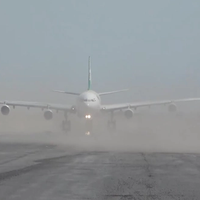
Historically, in Iran, religious institutions and conservative merchants—the Bazaaris—were inseparable allies. It was the Bazaaris who bankrolled the anti-state revolution of 1979, famously chartering the plane that carried Ayatollah Khomeini back to Tehran.
Yet, 46 years later, the Islamic Republic has managed to alienate its oldest and most critical constituency. For the Iranian merchant today, that alliance is dead, and commerce has become a losing game.
Despite having no hand in inflation, merchants are often blamed as price gougers. If they reject state-mandated pricing, they are accused of hoarding and tampering with the market; if they comply, they may not be able to afford to restock their inventory, selling their way into bankruptcy.
Simultaneously, the centralized allocation of foreign currency for imports drags on for months, while exporters are forced to sell their hard-earned foreign currency at losses due to state pressure.
The atmosphere grew more volatile last week with the announcement of a new gasoline pricing policy, which exacerbated existing anxieties about the economy.
The release of the next year’s budget was the last straw. With oil revenues projected to cover a mere 5% of administrative costs, the government wants the public to foot the bill through deficit spending and significant tax increases.
The trade-off is stark: while every subsidy has been stripped from the ledger, the budget for security and defense has increased. By prioritizing the military and security over public welfare, the state has effectively transferred the entire burden onto the people’s dinner tables.
The market is rejecting this pressure. Merchants argue that they are being suffocated to fund the state's regional ambitions. Facing chronic 60% inflation and the weight of sanctions, business owners can no longer survive, let alone profit.
The message from the bazaar is clear: the economy cannot sustain the vows to rebuild the missile arsenal.
The state’s response to the protests has been predictable: a photo-op meeting with a handpicked group of supportive businessmen and the scapegoating of the Central Bank Governor.
The dismissal of Mohammad-Reza Farzin had been on the table for months, held in reserve as a sacrificial offering. Now, with protests spreading throughout the country, the administration offers his firing as a promise of change.
But the Iranian people see through this theater. They know the Central Bank Governor is not an independent policymaker, but a mere functionary. Replacing him with Abdolnaser Hemmati—a recycled official previously fired from the same post over rial's devaluation—signals continuity, not reform.
Public slogans reveal that the bazaar and the street are now speaking with one voice. The grievances have moved beyond daily economics; they challenge the specific governing priorities that drive this decline. The public understands that their economic distress is not an accident of mismanagement, but the calculated cost of the state's strategic choices.
This leaves the Islamic Republic with a binary choice: abandon regional ambitions and missile proliferation to return to the negotiating table, or double down on repression.
As evidenced by the direct fire opened on protesters yesterday, the regime has chosen the path of force. The market’s message is unmistakable: the people want fundamental change. The government’s answer is not reform, but bullets.