• العربية
  • فارسی
BrandBrand
  • Iran Insight
  • Politics
  • Economy
  • Analysis
  • Special Report
  • Opinion
  • Podcast
  • Live TV
  • Iran Insight
  • Politics
  • Economy
  • Analysis
  • Special Report
  • Opinion
  • Podcast
  • Live TV
  • Theme
  • Language
    • العربية
    • فارسی
  • Iran Insight
  • Politics
  • Economy
  • Analysis
  • Special Report
  • Opinion
  • Podcast
  • Live TV
All rights reserved for Volant Media UK Limited
volant media logo

Iranian drugmakers warn illicit exports to Afghanistan are rising

Dec 23, 2025, 12:37 GMT+0Updated: 22:30 GMT+0

Iranian pharmaceutical industry figures warned that illicit Iranian-made medicines are increasingly appearing in Afghanistan, undercutting legal exports and deepening shortages at home.
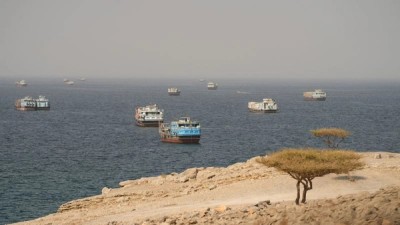

Pharmaceutical sector representatives say the flow has accelerated after Pakistan curtailed drug exports to Afghanistan, turning Iran’s subsidized market into an attractive source for traffickers.

They argue that wide price gaps between Iran and neighboring countries have made smuggling structurally profitable, sidelining legal export channels.

Drug production has increased by around 50% but shortages persist, Mohsen Abdollahzadeh, a board member of the Drug Distributors Syndicate said on Tuesday.

“Drug smuggling from Iran to Iraq and Afghanistan is so extensive that traders in those countries are unable to import medicines legally and cannot compete with smuggled Iranian drugs,” he added.

Food and Drug Administration of Iran has conceded that so-called “reverse smuggling” exists, driven by sharp price differences with neighboring markets.

However, spokesperson Mohammad Hashemi disputed a widespread surge, saying documented cases remain limited. Continued leakage, he warned, could trigger intermittent shortages and place further strain on an already fragile supply chain.

Recent talks with an Afghan delegation, Hashemi said, focused on expanding formal pharmaceutical exports and improving monitoring, a move critics say reflects belated damage control rather than a solution to entrenched enforcement gaps.

Food market shows same fault lines

The controversy mirrors developments in food markets, where currency policy shifts and the removal of subsidized exchange rates have driven sharp increases in staple prices.

Analysts say both sectors show the same pattern: multiple pricing regimes and weak oversight have encouraged arbitrage and cross-border leakage.

For consumers, the result has been recurrent shortages and rising costs, as subsidized goods – whether medicine or food – slip out of regulated channels faster than authorities can contain them.

Authorities say medicines are still available for now, but concede that delays in transferring allocated foreign exchange, mounting arrears to suppliers and dwindling inventories have pushed the sector to the brink, increasing the risk of shortages in the final months of the Iranian year, which ends on March 20.

In an economy battered by chronic inflation and currency volatility, officials say, keeping drug prices frozen shifts the burden onto manufacturers and ultimately jeopardizes national drug supply chain.

Most Viewed

Iran is running out of economic escape routes
1

Iran is running out of economic escape routes

2
ANALYSIS

US strikes on Iran now serve the blockade

3

US says it can sustain Iran blockade for ‘foreseeable future’

4
ANALYSIS

Once US blockaded Iran, China’s ‘Malaysian’ oil imports dried up

5
ANALYSIS

Istanbul meeting: A new division of labor in the Iran war?

Banner
Banner
Banner
Banner
Banner

Spotlight

  • Baluch insurgency tests the limits of a war-weakened Islamic Republic
    PODCAST

    Baluch insurgency tests the limits of a war-weakened Islamic Republic

  • US strikes on Iran now serve the blockade
    ANALYSIS

    US strikes on Iran now serve the blockade

  • Salvation or tragedy? Iranians debate prospect of another war

    Salvation or tragedy? Iranians debate prospect of another war

  • More patrols, slower internet suggest Tehran is bracing for trouble
    VOICES FROM IRAN

    More patrols, slower internet suggest Tehran is bracing for trouble

  • Iran’s evasion network survives, but the crude feeding it has run dry

    Iran’s evasion network survives, but the crude feeding it has run dry

  • Once US blockaded Iran, China’s ‘Malaysian’ oil imports dried up
    ANALYSIS

    Once US blockaded Iran, China’s ‘Malaysian’ oil imports dried up

  • Istanbul meeting: A new division of labor in the Iran war?
    ANALYSIS

    Istanbul meeting: A new division of labor in the Iran war?

  • China values Iran but won't pay any price to defend it
    ONE-ON-ONE

    China values Iran but won't pay any price to defend it

  • Iran medical suppliers warn of worsening drug shortages

    Iran medical suppliers warn of worsening drug shortages

  • Iran health officials flag price rises as shortages loom over currency crunch

    Iran health officials flag price rises as shortages loom over currency crunch

  • Iran drug stocks under two months, 800 medicines at risk as FX delays bite

    Iran drug stocks under two months, 800 medicines at risk as FX delays bite