• العربية
  • فارسی
BrandBrand
  • Iran Insight
  • Politics
  • Economy
  • Analysis
  • Special Report
  • Opinion
  • Podcast
  • Live TV
  • Iran Insight
  • Politics
  • Economy
  • Analysis
  • Special Report
  • Opinion
  • Podcast
  • Live TV
  • Theme
  • Language
    • العربية
    • فارسی
  • Iran Insight
  • Politics
  • Economy
  • Analysis
  • Special Report
  • Opinion
  • Podcast
  • Live TV
All rights reserved for Volant Media UK Limited
volant media logo

Iran says price of imported gasoline far outstrips subsidized rate

Nov 18, 2025, 09:21 GMT+0Updated: 23:54 GMT+0

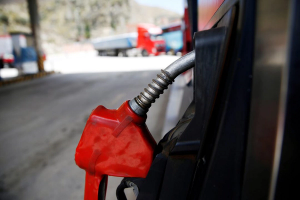
Iran’s government said on Tuesday that the real cost of importing gasoline has climbed to 700,000 rials per liter (about $0.62), far above the heavily subsidized pump prices that remain unchanged.

Government spokesperson Fatemeh Mohajerani said on Tuesday that fuel quotas will stay in place for now, with monthly allocations of 60 liters at 15,000 rials ($0.013) and 100 liters at 30,000 rials ($0.027) continuing as before. 

But she said Iran is being forced to spend $6 billion on gasoline imports this year as consumption soars past domestic output.

“It is natural that when foreign currency that should be used for other priorities is instead spent on gasoline – and some of this gasoline is smuggled – the government is obliged to act,” she said.

Mohajerani added that ministers must protect both the public’s livelihood and the country’s health and safety.

She said the government is preparing “serious programs” to curb fuel smuggling and added that the president has ordered automakers to expand production of low-consumption vehicles. “He made it clear they are required to manufacture more fuel-efficient cars,” she said.

Mohajerani also said that officials have examined the inflationary impact of potential adjustments but stressed that no final decision has been made on introducing a third pricing tier, one of several fuel-reform scenarios under discussion.

Her comments come as President Masoud Pezeshkian and senior lawmakers warn that the country cannot maintain ultra-cheap fuel indefinitely. Energy officials say domestic consumption has surged well beyond refining capacity, forcing costly imports and widening the subsidy gap.

Iran’s last major gasoline price hike in 2019 triggered nationwide protests in which at least 1,500 people were killed, according to rights groups and Reuters reporting at the time. The government says any future change will be gradual and tied to broader energy-sector reforms to avoid a repeat of that unrest.

New prices appear in Iran Energy Exchange

A few hours after Mohajerani’s press conference, new signs emerged that Iran is edging toward the higher fuel pricing. 

The Iran Energy Exchange announced it will begin offering premium gasoline as of November 23, with a base price of 658,000 rials per liter (about 58 US cents), and a final settlement price of roughly 750,000 rials (around 67 cents) once additional costs are included. 

The notice – the first such listing for premium fuel – immediately drew attention because the exchange price is more than ten times the current subsidized pump rate, adding to expectations that Tehran is preparing the ground for broader fuel-price reform.

  • Iran MP warns of four-fold gasoline price rise amid fuel reform debate

    Iran MP warns of four-fold gasoline price rise amid fuel reform debate

  • Iran’s president says gasoline price hike inevitable, warns of social risks

    Iran’s president says gasoline price hike inevitable, warns of social risks

  • Iran gearing up for gasoline price hike despite risk of domestic backlash

    Iran gearing up for gasoline price hike despite risk of domestic backlash

Most Viewed

Iran escalates Starlink threats over fears of losing internet control
1

Iran escalates Starlink threats over fears of losing internet control

2
ANALYSIS

What can Iran’s new oil chief change under the US blockade?

3
VOICES FROM IRAN

Iran workers face delayed wages, lost benefits and job fears

4
ANALYSIS

Iran’s Olympiad paradox: Building scientific talent for a future abroad

5

Saudi Arabia, Turkey and Pakistan activate defense pact over Houthi attacks

Banner
Banner

Spotlight

  • Houthi gains reversed at Bab al-Mandab, but Iran’s leverage runs deeper
    ANALYSIS

    Houthi gains reversed at Bab al-Mandab, but Iran’s leverage runs deeper

  • Iranians cross into Armenia to earn what they cannot at home

    Iranians cross into Armenia to earn what they cannot at home

  • Clothes, diaries, dolls: Iran forces raid slain protesters’ rooms

    Clothes, diaries, dolls: Iran forces raid slain protesters’ rooms

  • Why Iran’s oil minister quit at a critical moment for exports
    INSIGHT

    Why Iran’s oil minister quit at a critical moment for exports

  • IRGC commander, son helped build new oil-sales network
    EXCLUSIVE

    IRGC commander, son helped build new oil-sales network

  • What can Iran’s new oil chief change under the US blockade?
    ANALYSIS

    What can Iran’s new oil chief change under the US blockade?

Banner
Banner