Truck driver strike tests Islamic Republic’s grip on road freight
Iranian truck drivers’ strike, May 2025.
Iran’s attempt to quell a growing nationwide trucker strike has stumbled against the sheer scale and ownership structure of the sector, as more than 400,000 privately owned heavy vehicles remain off the roads despite pressure from authorities since the walkout began on May 22.
Truckers across at least 150 cities are protesting high fuel costs, stagnant freight rates, and inadequate insurance coverage.
Truck drivers currently pay a subsidized rate of 3,000 rials per liter for diesel—equivalent to about 1.5 cents per gallon—based on GPS-tracked mileage and approved cargo waybills.
However, starting 21 June, a new three-tier pricing system will increase fuel costs for usage beyond allotted quotas, with prices soaring to as high as 250,000 rials per liter at market rates.
While officials say the changes are intended to combat fuel smuggling, drivers argue that the quotas fail to reflect actual freight demands and warn that the higher costs could threaten their livelihoods.
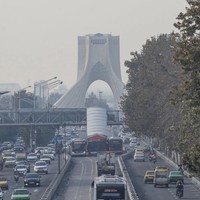
Video footage from across the country shows major highways emptied of heavy traffic, underscoring the breadth of the disruption. With 552,307 registered drivers and only a small fraction working under corporate fleets, efforts to suppress the strike are confronting structural limits.
According to official data, just 29,648 of Iran’s 433,388 active trucks are owned by transport companies—less than 7 percent. In contrast, private ownership remains dominant, a legacy that has proven resistant to change even after a similar strike in 2018 prompted state efforts to build up firm-controlled fleets.
A dispersed workforce with a central role
This dispersed nature has made the current strike harder to contain. The government has registered over 700 new transport firms since 2017, doubling corporate truck ownership in six years. Yet this growth has not shifted the balance of control: the private sector still owns the overwhelming majority of the country’s heavy freight fleet.
Strikes in high-traffic provinces have compounded the impact. Tehran alone sees more than 3.8 million truck trips annually, roughly 10 percent of the national total. Isfahan follows closely, alongside key industrial and transit hubs such as Fars, Khuzestan, and Khorasan Razavi.
Despite reported arrests and interrogations in multiple provinces, the strike shows no signs of resolution. The Islamic Republic’s response—focused on intimidation and attempts at corporate centralization—has not brought drivers back to work.
The strike has laid bare a logistical and political reality: the road freight sector, so vital to the Iranian economy, remains fundamentally outside the state’s immediate command.