Sinking Of Cargo Ship Signifies Danger Of Houthi Attacks

A cargo ship that was hit by Iran-backed Houthis two weeks ago, sank in the Red Sea early Saturday with thousands of tons of potentially hazardous chemicals.
A cargo ship that was hit by Iran-backed Houthis two weeks ago, sank in the Red Sea early Saturday with thousands of tons of potentially hazardous chemicals.
This is the first time a vessel sinks as a result of Houthi attacks. As of February 25, Houthis had attacked at least 57 commercial and military vessels.
The UK-owned, Belize-flagged Rubymar is carrying “21,000 metric tons of ammonium phosphate sulphate fertilizer,” according to US military, which confirmed earlier reports about the fate of the vessel.
“The ship had been slowly taking on water since the unprovoked attack [on 18 February],” US Central Command posted on X. “The … fertilizer that the vessel was carrying presents an environmental risk in the Red Sea. As the ship sinks, it also presents a subsurface impact risk to other ships transiting the busy shipping lanes of the waterway.”
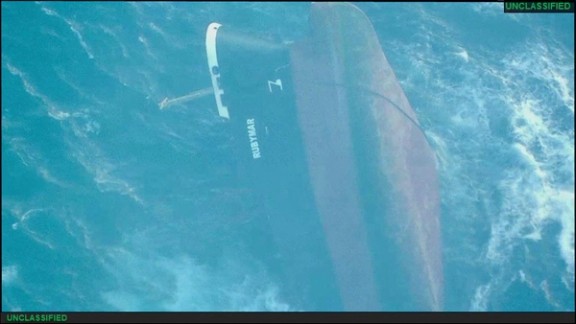
Rubymar was struck by two Houthi missiles. The crew left the ship that very same day. Attempts to keep it afloat and tow it to a safe port failed eventually, raising concerns about its cargo.
"The release of large quantities of fertilizers into the Red Sea could cause eutrophication, depleting water of oxygen and creating 'dead zones',” said Mohammed Albasha, a senior Analyst at the Navanti Group. “Marine life… will likely suffer due to the toxic effects and reduced oxygen levels. Fishing communities along Yemen's Red Sea coast in Hudaydah and Taiz will be impacted by the contamination".
Iran-backed Houthis have effectively closed off the Red Sea with their missile and drone strikes. They maintain that their attacks are solely in support of Palestinians and would cease if and when there's a ceasefire between Israel and Hamas.
On Saturday, the US Department of State announced that the Houthi attacks on commercial ships in the Red Sea are “doubling shipping costs to the United States”, as major operators re-route and go around the southern tip of Africa.
Commodities experts say grain transit through the Suez Canal has halved while grain ships bound for Iran navigate the Red Sea untroubled.
“The Iran-backed Houthis pose a heightened threat to global maritime activities,” CENTCOM posted on X earlier Sunday. “The United States and coalition partners remain committed to safeguarding freedom of navigation, striving to enhance the safety and security of international waters for merchant shipping.”
The United States and Britain dispatched warships to protect commercial vessels in the Red Sea, shortly after the start of the Houthi attack last November. Both countries then launched a series of airstrikes on Houthi sites in Yemen, hoping to “degrade” the group’s capabilities.
On Saturday, a few hours before Yemen sources declared Rubymar sunk, the head of Houthi supreme revolutionary committee said he held the British prime minister, Rishi Sunak, responsible for the sinking of the UK-owned Rubymar.
In a post on his X account, Mohammed Ali al-Houthi wrote that Sunak still had a chance to recover the Rubymar by allowing aid trucks into Gaza –
an offer that was never meant to be taken and wasn’t.
The consequences of Rubymar’s sinking are unclear. There’s been no official statement, but it’s likely that it would trigger another round of airstrikes and even harsher response in the hope that some form of deterrence is restored.
Biden critics say his administration is to blame for emboldening the Houthis’ and –perhaps more importantly– Iran. US president Joe Biden has admitted that he didn’t think the airstrikes he authorized could end the Houthi attack, who, undeterred, have threatened to further “surprise” the “enemy.”














Tweet unavailable