• العربية
  • فارسی
BrandBrand
  • Iran Insight
  • Politics
  • Economy
  • Analysis
  • Special Report
  • Opinion
  • Podcast
  • Live TV
  • Iran Insight
  • Politics
  • Economy
  • Analysis
  • Special Report
  • Opinion
  • Podcast
  • Live TV
  • Theme
  • Language
    • العربية
    • فارسی
  • Iran Insight
  • Politics
  • Economy
  • Analysis
  • Special Report
  • Opinion
  • Podcast
  • Live TV
All rights reserved for Volant Media UK Limited
volant media logo

Microsoft Reveals Iran Hacking Campaign Targeting Mideast Experts

Jan 21, 2024, 13:33 GMT+0
Logo of Microsoft on its office building in Beijing, China, May 25, 2023

Microsoft has revealed that "high-profile" experts specializing in Middle Eastern affairs are under attack from hackers believed to be linked to the Iranian government.

The entities under attack were located in Belgium, France, Gaza, Israel, the United Kingdom, and the United States.

The Microsoft Threat Intelligence team, in a recent blog post, outlined that since November, a faction of the hacking group Mint Sandstorm has utilized "customized phishing lures to socially engineer targets into downloading malicious files."

The report notes the application of new tools in observed incidents. According to Microsoft, the operators in the Mint Sandstorm subgroup exhibit highly skilled social engineering capabilities, lacking many typical hallmarks that users rely on to identify phishing emails. In some instances, the subgroup used compromised but legitimate accounts to disseminate phishing lures.

Microsoft's findings indicate a correlation between the recent campaign and the ongoing conflict in Gaza, with phishing lures referencing the Israel-Hamas war. The objective is to gather diverse internal perspectives on the conflict.

Mint Sandstorm, also known as APT35 or Charming Kitten, is associated with the Islamic Revolutionary Guard Corps (IRGC), an intelligence arm of Iran's military. The campaign primarily targets people with access to information crucial to Tehran's leadership.

Prior instances involve the group targeting journalists, researchers, professors, and others with resource-intensive social engineering campaigns. Some cases featured legitimate yet compromised email accounts belonging to the impersonated victims.

Initial emails in some instances lacked malicious content as hackers aimed to establish relationships with their targets before initiating espionage processes.

Most Viewed

Third US carrier joins Iran blockade, Bessent warns of economic collapse
1

Third US carrier joins Iran blockade, Bessent warns of economic collapse

2

Iran’s dams may have been built to support missile bases - NYT

3

Iran facing one of fastest economic collapses ever, Bessent says

4

US Army seeks 17 bunkers in Israel, Saudi, Lebanon amid Iran threats - report

5

UK PM warns Iran against attacks on journalists and military bases

Banner

Spotlight

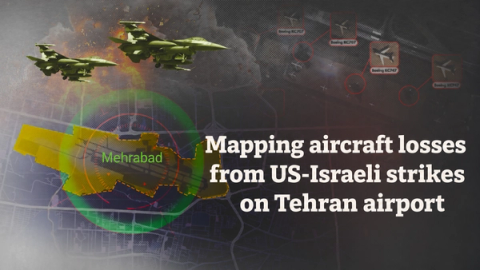
  • Mapping aircraft losses from US-Israeli strikes on Tehran airport
    SPECIAL REPORT

    Mapping aircraft losses from US-Israeli strikes on Tehran airport

  • Iraq’s move on militia stronghold may do little to curb Iran’s influence
    ANALYSIS

    Iraq’s move on militia stronghold may do little to curb Iran’s influence

  • 'Our turn to play': Iran hardliners call for breaking US blockade

    'Our turn to play': Iran hardliners call for breaking US blockade

  • Head full of pellets: protester recalls ordeal on Iran holiday island
    EXCLUSIVE

    Head full of pellets: protester recalls ordeal on Iran holiday island

  • Israeli opposition to Islamic Republic transcends party lines
    ONE-ON-ONE

    Israeli opposition to Islamic Republic transcends party lines

  • 2019 crackdown failed to break cycle of Iran street protests
    ANALYSIS

    2019 crackdown failed to break cycle of Iran street protests

Banner
Banner
Banner
Banner
Banner
Banner