• العربية
  • فارسی
BrandBrand
  • Iran Insight
  • Politics
  • Economy
  • Analysis
  • Special Report
  • Opinion
  • Podcast
  • Live TV
  • Iran Insight
  • Politics
  • Economy
  • Analysis
  • Special Report
  • Opinion
  • Podcast
  • Live TV
  • Theme
  • Language
    • العربية
    • فارسی
  • Iran Insight
  • Politics
  • Economy
  • Analysis
  • Special Report
  • Opinion
  • Podcast
  • Live TV
All rights reserved for Volant Media UK Limited
volant media logo

Low Turnout Expected In Upcoming Iran Elections

Dec 25, 2023, 20:23 GMT+0
A cleric casting his vote during the parliamentary elections in the city of Qazvin in March 2020

Mohsen Hashemi, the son of former Iranian President Akbar Hashemi Rafsanjani, has noted the expected voter apathy in the upcoming Iranian elections.

While claiming that moderate reformists advocate for lively elections, Hashemi expressed concerns about the prevailing supervisory atmosphere hindering vibrancy.

He emphasized the importance of the Guardian Council avoiding obstructive actions to ensure the elections are dynamic and representative.

Anticipation of a low turnout in Iran's March elections has heightened concerns, particularly after the disqualification of numerous candidates, including sitting lawmakers. Some disqualified candidates attribute the process to ultra-hardliners in President Ebrahim Raisi's administration and the interior ministry, accusing them of making arbitrary decisions.

Reports indicate that around 40,000 people registered as candidates for the 290 parliamentary seats, but the registration process was discreet, concealing candidates' identities. Prominent figures, including former Presidents Khatami, Ahmadinejad, and Rouhani, as well as former Majles Speakers Ali Akbar Nateq Nouri, Gholam Ali Haddad Adel, and Ali Larijani, who said they are not participating.

The ultraconservative Paydari Party, which currently dominates the Majles, appears content with the public's indifference, expecting an easy victory with many inexperienced lawmakers. Elections during the Islamic Republic have never been democratic for many reasons, but particularly for the fact that only candidates who agree with the principle of a religious state and clerical rule were allowed to run. However, increasingly requirements have become tighter, and only those loyal to hardliners have been able to compete.

According to Statista, during the presidential election of 2017, it is estimated that the voter turnout rate was about 48.8 percent.

Most Viewed

Third US carrier joins Iran blockade, Bessent warns of economic collapse
1

Third US carrier joins Iran blockade, Bessent warns of economic collapse

2

Iran’s dams may have been built to support missile bases - NYT

3

US Army seeks 17 bunkers in Israel, Saudi, Lebanon amid Iran threats - report

4

UK PM warns Iran against attacks on journalists and military bases

5

Senior Guards commander admits deep Israeli intelligence infiltration

Banner

Spotlight

  • Mapping aircraft losses from US-Israeli strikes on Tehran airport
    SPECIAL REPORT

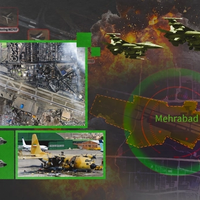
    Mapping aircraft losses from US-Israeli strikes on Tehran airport

  • Iraq’s move on militia stronghold may do little to curb Iran’s influence
    ANALYSIS

    Iraq’s move on militia stronghold may do little to curb Iran’s influence

  • 'Our turn to play': Iran hardliners call for breaking US blockade

    'Our turn to play': Iran hardliners call for breaking US blockade

  • Head full of pellets: protester recalls ordeal on Iran holiday island
    EXCLUSIVE

    Head full of pellets: protester recalls ordeal on Iran holiday island

  • Israeli opposition to Islamic Republic transcends party lines
    ONE-ON-ONE

    Israeli opposition to Islamic Republic transcends party lines

  • 2019 crackdown failed to break cycle of Iran street protests
    ANALYSIS

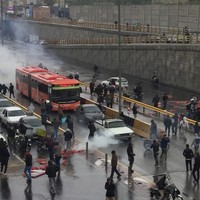
    2019 crackdown failed to break cycle of Iran street protests

Banner
Banner
Banner
Banner
Banner
Banner