• العربية
  • فارسی
BrandBrand
  • Iran Insight
  • Politics
  • Economy
  • Analysis
  • Special Report
  • Opinion
  • Podcast
  • Live TV
  • Iran Insight
  • Politics
  • Economy
  • Analysis
  • Special Report
  • Opinion
  • Podcast
  • Live TV
  • Theme
  • Language
    • العربية
    • فارسی
  • Iran Insight
  • Politics
  • Economy
  • Analysis
  • Special Report
  • Opinion
  • Podcast
  • Live TV
All rights reserved for Volant Media UK Limited
volant media logo

Raisi Claims Iran Has 'No Problem' With IAEA Inspections

Sep 21, 2023, 08:53 GMT+1
IAEA's Rafael Grossi showing a monitoring camera used for surveilling nuclear facilities.

Iran has no issue with the UN nuclear watchdog's inspection of its nuclear sites, President Ebrahim Raisi said on Wednesday, days after Tehran barred multiple inspectors.

"We have no problem with the inspections, but the problem is with some inspectors ... those inspectors that are trustworthy can continue their work in Iran," Raisi told a press conference on the sidelines of the U.N. General Assembly.

Iran's move was a response to a call led by the United States, Britain, France and Germany at the International Atomic Energy Agency's (IAEA) Board of Governors earlier this month for Tehran to cooperate immediately with the agency on issues including explaining uranium traces found at undeclared sites.

"Tehran's decision was in reaction to some unfair statements by the Western members of the IAEA," Raisi said.

UN nuclear watchdog chief Rafael Grossi has condemned Iran's "disproportionate and unprecedented" move.

Iran has gradually reduced IAEA monitoring at its nuclear sites since 2021 as the United States and its European allies were engaged in negotiations to revive the 2015 nuclear agreement known as the JCPOA. Tehran has also failed to cooperate with the UN nuclear watchdog in its investigation of why traces of uranium were found in three undeclared sites.

Tehran's move, known as "de-designation" of inspectors, is allowed; member states can generally veto inspectors assigned to visit their nuclear facilities under the nuclear Non-Proliferation Treaty and each country's safeguards agreement with the agency governing inspections.

With reporting by Reuters
Most Viewed

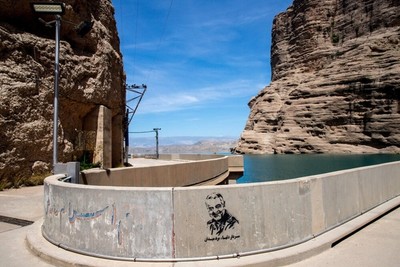
Iran’s dams may have been built to support missile bases - NYT
1

Iran’s dams may have been built to support missile bases - NYT

2

US Army seeks 17 bunkers in Israel, Saudi, Lebanon amid Iran threats - report

3

UK PM warns Iran against attacks on journalists and military bases

4

Senior Guards commander admits deep Israeli intelligence infiltration

5

Iran’s daily hardships find a voice in IRGC-linked media

Banner
Banner
Banner
Banner
Banner
Banner
Banner

Spotlight

  • How Thai clerics in Iran were recruited to attack Israeli embassy in Bangkok
    EXCLUSIVE

    How Thai clerics in Iran were recruited to attack Israeli embassy in Bangkok

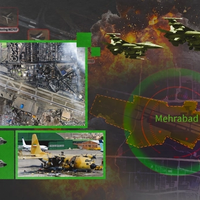
  • Mapping aircraft losses from US-Israeli strikes on Tehran airport
    SPECIAL REPORT

    Mapping aircraft losses from US-Israeli strikes on Tehran airport

  • Iraq’s move on militia stronghold may do little to curb Iran’s influence
    ANALYSIS

    Iraq’s move on militia stronghold may do little to curb Iran’s influence

  • 'Our turn to play': Iran hardliners call for breaking US blockade

    'Our turn to play': Iran hardliners call for breaking US blockade

  • Head full of pellets: protester recalls ordeal on Iran holiday island
    EXCLUSIVE

    Head full of pellets: protester recalls ordeal on Iran holiday island

  • Israeli opposition to Islamic Republic transcends party lines
    ONE-ON-ONE

    Israeli opposition to Islamic Republic transcends party lines

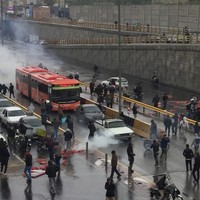
  • 2019 crackdown failed to break cycle of Iran street protests
    ANALYSIS

    2019 crackdown failed to break cycle of Iran street protests