Why Tehran threatens Trump while pursuing diplomacy
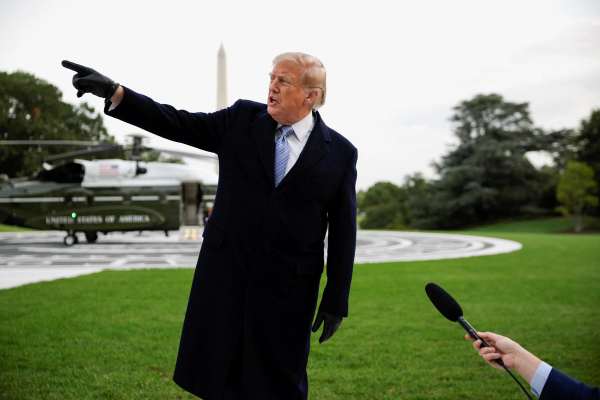
Even as Tehran engages in hardheaded diplomatic maneuvering with Washington, it is advancing a parliamentary proposal offering a €50 million reward for President Trump’s killing.

Even as Tehran engages in hardheaded diplomatic maneuvering with Washington, it is advancing a parliamentary proposal offering a €50 million reward for President Trump’s killing.

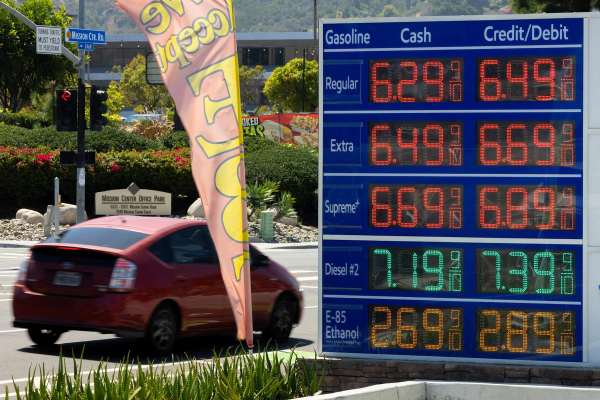
Iranian President Masoud Pezeshkian said on Monday that Iranians should expect inflation, shortages and economic hardship because the country is at war and facing mounting pressure on its energy infrastructure and oil exports.
The Iran war has entered a more ambiguous phase, with the regime battered but not broken, the US struggling to define victory, and the Strait of Hormuz emerging as Iran’s most potent bargaining tool, two Middle East experts said at an Iran International townhall in Washington DC.
Iran's parliament is reviewing a bill that requires the government to pay €50 million to any individual or entity that kills US President Donald Trump in retaliation for the killing of Iran's leader and commanders, a senior lawmaker said on Thursday.

Iran sought to rally BRICS countries against US and Israeli military action on Thursday, casting the regional conflict as resistance to American power as concerns over maritime security and energy disruption dominated the bloc’s foreign ministers meeting in New Delhi.

Iran described its latest proposal to the United States as “reasonable and generous” on Monday and said Tehran’s immediate priority remained ending the war rather than deciding the future of its nuclear program.

Renewed deal talk between Washington and Tehran has angered many Iranians, who questioned in messages to Iran International whether another agreement would reward the Islamic Republic while ordinary people bear the cost.

The United States is close to an interim agreement with Iran to end the war and launch nuclear negotiations, with Tehran expected to respond on key points within 48 hours, Axios reported on Wednesday, citing two US officials and two other sources briefed on the issue.

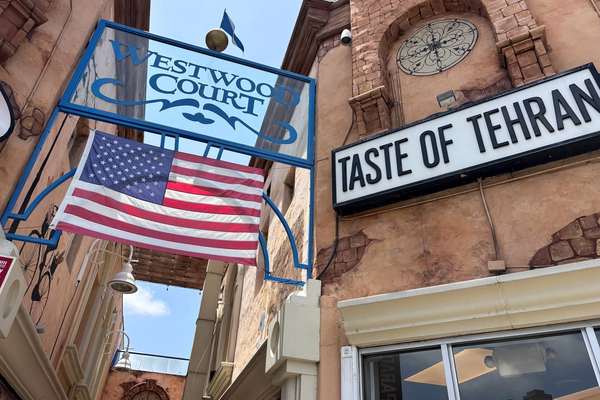
Graffiti in support of Iran’s theocracy has appeared in one of the most prominent Iranian-American neighborhoods in the United States, prompting concern among some residents about intimidation and the spillover of political tensions into diaspora communities.

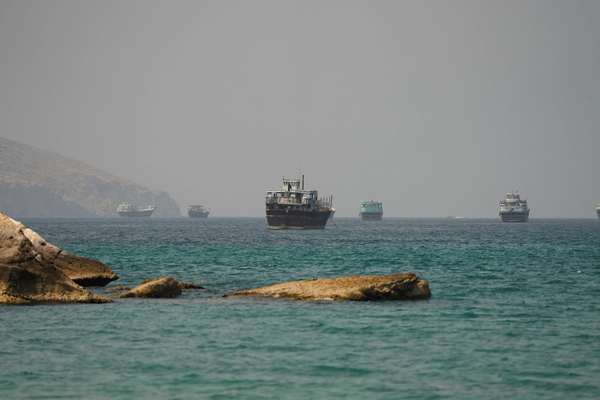
US War Secretary Pete Hegseth said the United States is not seeking conflict with Iran as it launches a temporary operation to protect shipping in the Persian Gulf.

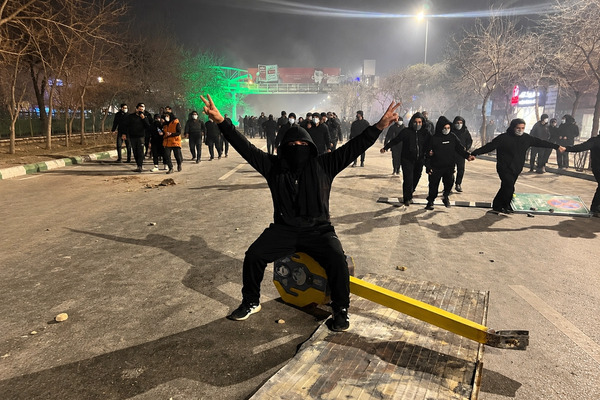
Iranians need access to weapons to challenge their rulers, President Donald Trump said on Monday, arguing that protesters would fight effectively if armed but are currently outmatched by government forces.

The United States has asked partner countries to join its newly formed Maritime Freedom Coalition to help secure passage through the Strait of Hormuz and Persian Gulf waterways, according to a State Department cable.

With US-Iran talks in Pakistan in doubt after Iran's foreign minister left Islamabad and President Trump canceled the planned trip by US negotiators, veteran journalist Eli Lake says Washington should use its leverage not only on the nuclear file, but to help the people of Iran.

A US federal indictment has charged an Iranian national with coordinating a large-scale migrant smuggling operation into the United States, the Justice Department said on Friday.

Iranian officials rushed to present a unified front after US President Donald Trump questioned who leads the Islamic Republic, highlighting sensitivities over internal divisions and uncertainty at the top of the political system.

Despite deep political turmoil, economic distress, militant violence, and a fraying security landscape at home, Pakistan has unexpectedly emerged as the publicly acknowledged central mediator between Washington and Tehran.

As Washington signals that a deal with Tehran may be close, a central question remains unresolved: who, if anyone, is actually winning?

US immigration authorities have arrested an Iranian national accused of lying about past ties to a paramilitary organization linked to Iran’s Revolutionary Guards, a Department of Homeland Security spokesperson told Iran International.

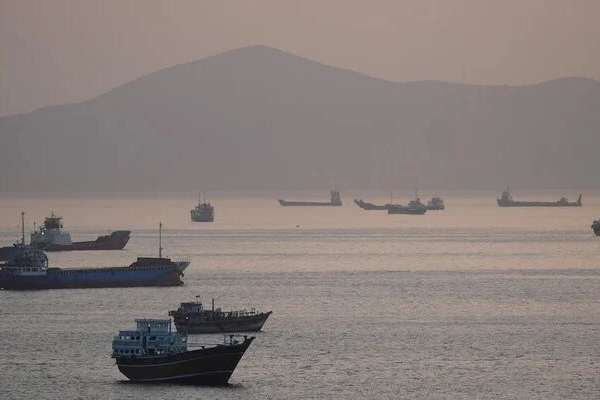
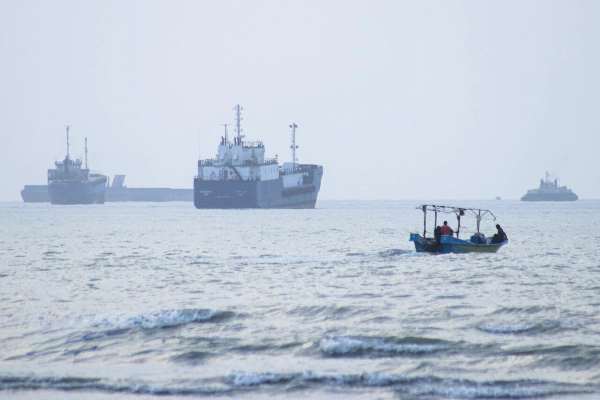
The US naval blockade of Iran is entering an opaque phase, with early signs of impact emerging through both buyer hesitation and deceptive shipping practices, rather than direct naval confrontations.

The US Treasury has warned banks in the Middle East and East Asia to halt Iran-linked transactions or face potential sanctions, signaling a stepped-up enforcement push targeting the financial networks that move Tehran’s oil revenues.

Sharp disagreements among members of Iran’s negotiating team led them to abandon US talks in Islamabad and return to Tehran on April 11 following an order from Iran's top security official, sources familiar with the deliberations told Iran International.

The US naval blockade of Iran, which started on Monday, could rapidly cripple the country’s economy, cutting off most of its trade, halting oil exports and triggering inflation and currency pressure within days.