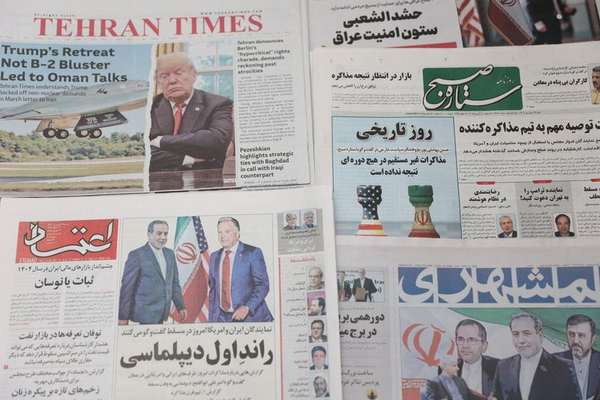
Iran struggles to shape narrative on US talks
Some Iranian media appear frustrated with unreliable and contradictory reports on the ongoing Iran-US negotiations, while the official narrative has struggled to gain traction with the public.
Some Iranian media appear frustrated with unreliable and contradictory reports on the ongoing Iran-US negotiations, while the official narrative has struggled to gain traction with the public.
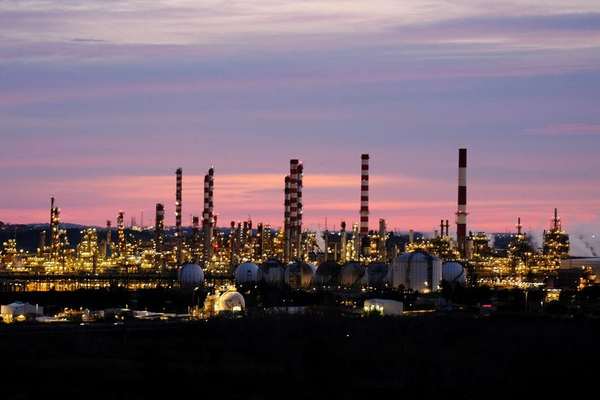
Iran has indicated a willingness to open its markets to American investors if a nuclear deal is reached, but some experts argue that expecting not only US investment but any significant foreign investment is highly unrealistic.
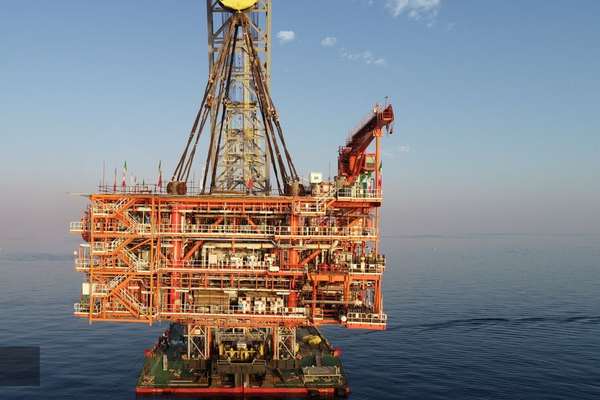
Iran needs $200-250 billion dollars in investments to bring stability to its oil and gas sectors, an official in the chamber of commerce said, reiterating previous comments by the oil minister.
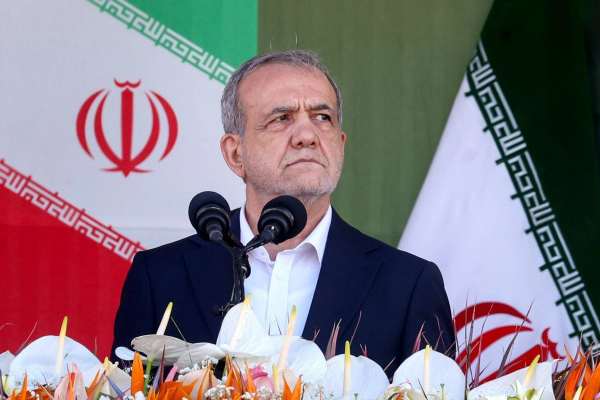
Iranian President Masoud Pezeshkian said on Friday that Tehran's military strength enabled it to confidently seek peace in the region, a day before talks with arch-foe the United States were due to resume.
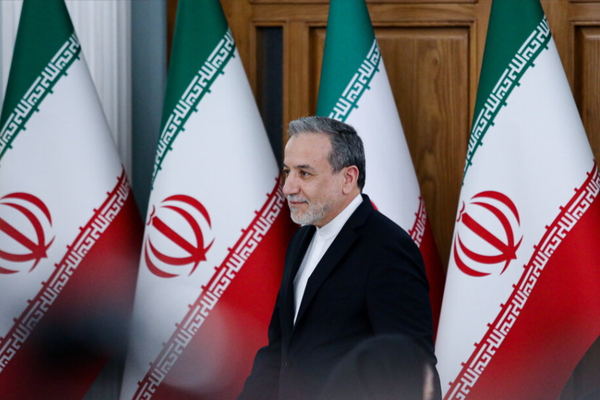
Iran proposed a three-stage plan to the US delegation during talks in Oman on Saturday envisioning a cap on their uranium enrichment in exchange for the lifting of US sanctions, three diplomatic sources in Tehran told Iran International.
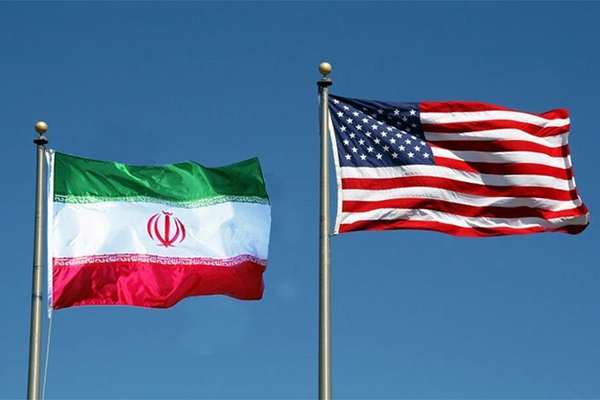
The shift in the United States from Special Envoy Steve Witkoff's soft stances about Iran's nuclear program to the administrations tougher stance this week seems to have convinced Tehran that it would not be easy to insist on its demands.
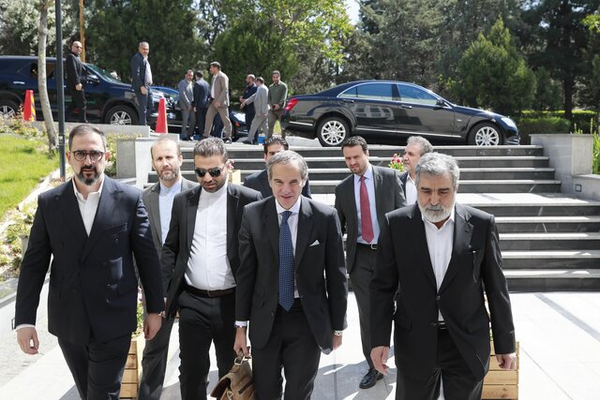
The UN watchdog must be part of nuclear negotiations between Iran and the United States, said International Atomic Energy Agency chief Rafael Grossi, calling its involvement essential to any future deal’s credibility.
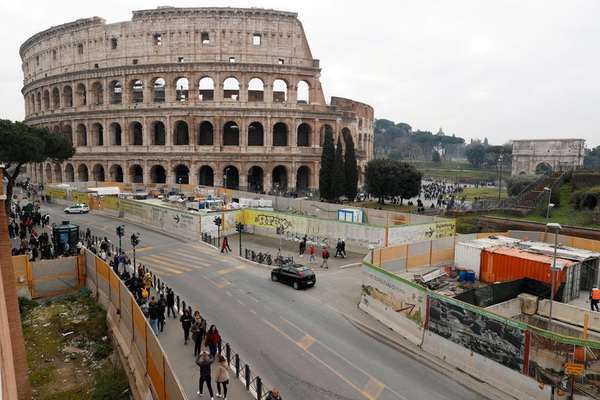
Tehran has reluctantly agreed to hold the upcoming talks with the United States in Rome rather than Muscat. However, it insists that Oman will continue to play its central mediating role, even as negotiations move to Italy.
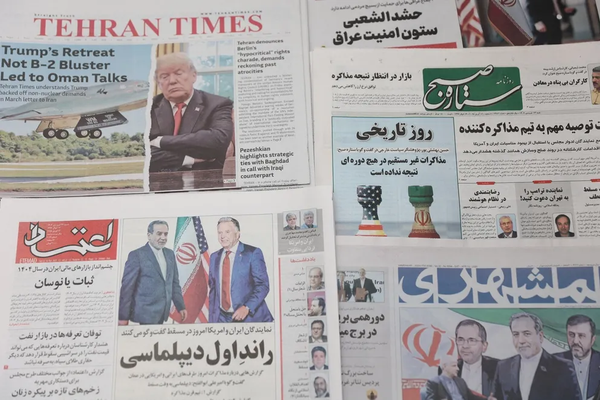
Tehran media outlets controlled by hardliners warned the government on Thursday not to place hope in the outcome of renewed talks with the United States, set to resume in Rome on Saturday.
An Iranian-American man who worked as a contractor for the Federal Aviation Administration (FAA) pleaded guilty on Wednesday to acting as an agent of the Iranian government without notifying US authorities, the Justice Department said.
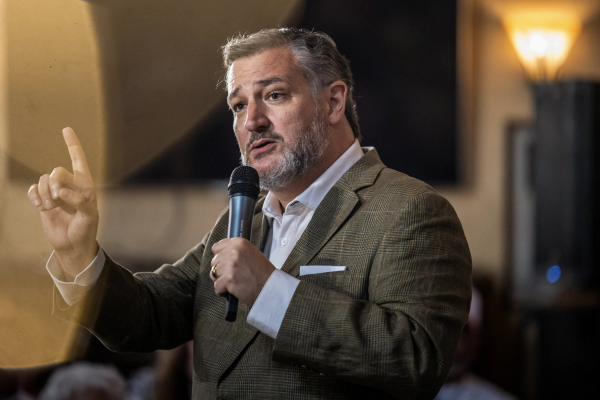
Two Republican US senators publicly endorsed a right-wing commentator close to Donald Trump who argued against what he called appeasement of Iran and appeared to criticize the president's advisors amid ongoing nuclear talks with Tehran.
While sovereign wealth funds tied to oil revenues in Iran’s neighboring countries have surpassed $3.6 trillion, a new report by the Iranian Parliament Research Center reveals the extensive depletion and misuse of Iran’s National Development Fund (NDF).
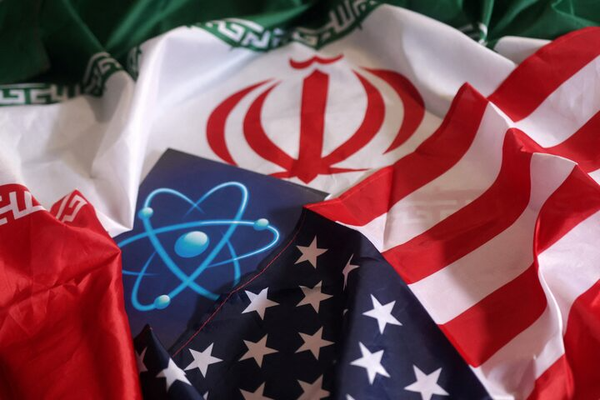
An Iranian conservative daily warned Tuesday that the country could expel international nuclear inspectors and relocate its enriched uranium if military threats intensify, injecting new tension into Tehran-Washington relations.
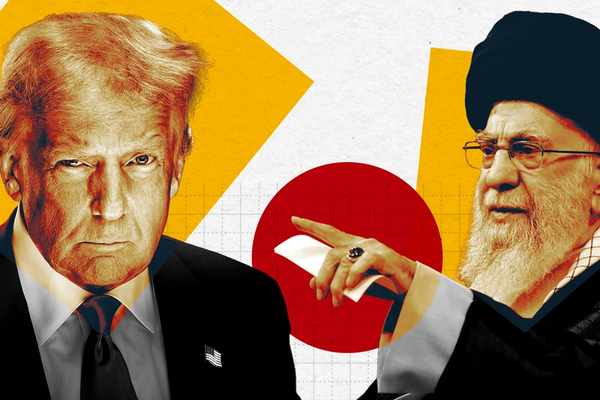
In the days leading up to the second round of talks between Iranian and US delegations, confusion persisted over the venue and agenda of the meeting.
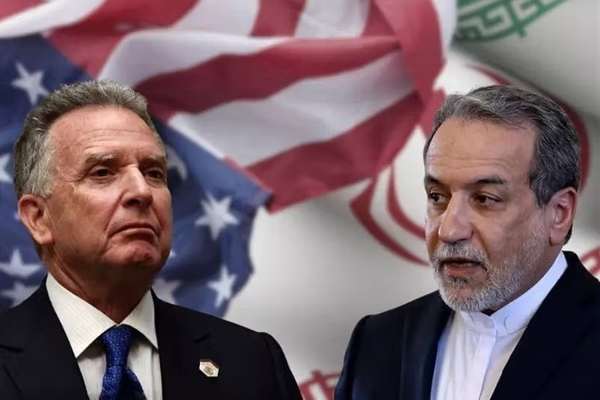
The United States faces a formidable adversary in talks with Islamic Republic, a former top US intelligence official told Iran International, and Tehran's aim could be to buy time for its nuclear program.
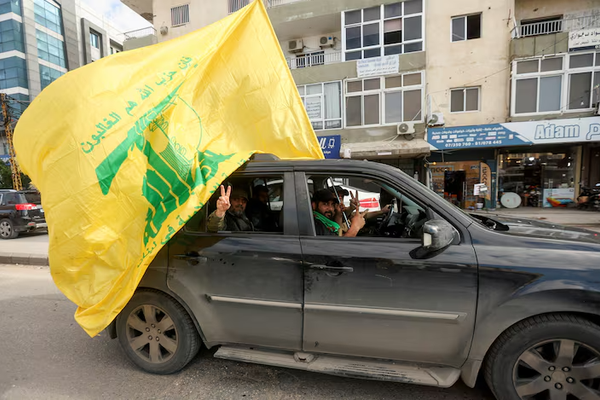
The Lebanese state must have a monopoly on weapons in the country and the transfer of Iran-backed Hezbollah's arms to Beirut should proceed via direct talks between the presidency and the group, Lebanon’s president Joseph Aoun said on Tuesday.
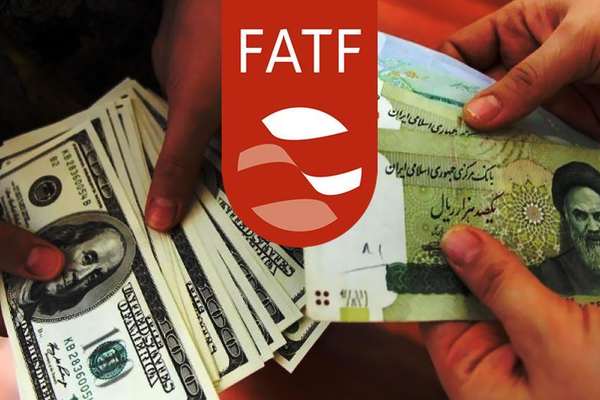
Over 150 hardline Iranian lawmakers urged a key decision-making body on Tuesday to block Iran’s accession to the Countering the Financing of Terrorism and Palermo conventions, two key components of the Financial Action Task Force (FATF) reform package.
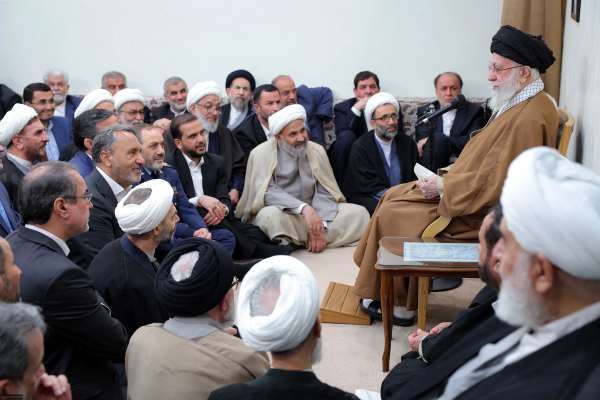
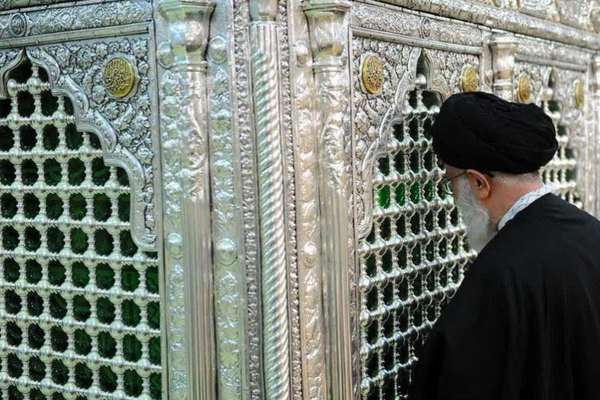
Iran's Supreme Leader has expressed a mix of cautious optimism and profound skepticism regarding the ongoing talks with the United States, dismissing the talks as only one of Foreign Ministry’s dozens of tasks.
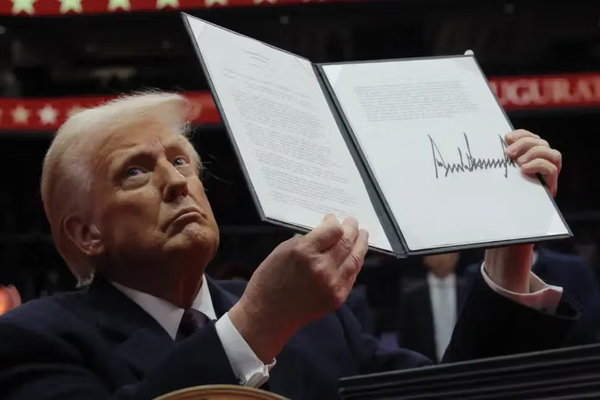
The Trump administration is considering a proposal to cut nearly 50 percent of the State Department's funding for the upcoming fiscal year, The New York Times reported.
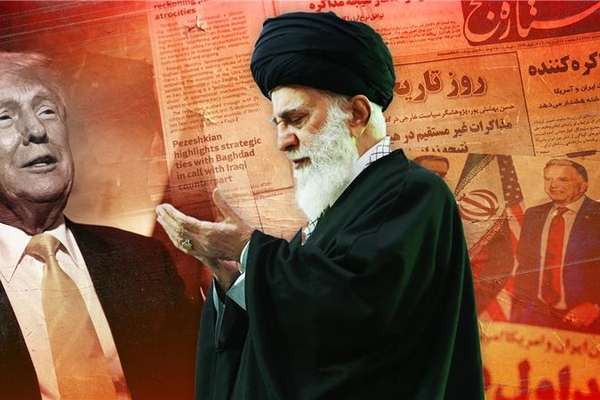
The divide among Iran's ultraconservatives began at least a month before the latest round of Iran-US talks, but it has since escalated into an open rift, with most hardliners now backing away from their earlier opposition to negotiations.
Many Iranian officials, political elites, and many public figures appear to be cautiously optimistic as Tehran and Washington prepare for the next round of nuclear talks, set to take place on April 19.