More evidence of mass killings surfaces despite Iran internet blackout
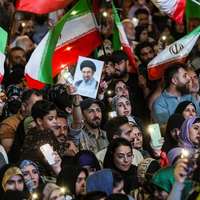
Scene from City of Golestan, Tehran Province – January 9, 2026
Fragments of what has unfolded in Iran over the past two weeks are beginning to emerge from beneath a near-total internet blackout, revealing killings that have largely remained hidden from public view.
Through sporadic messages, rare phone calls and accounts relayed to media outlets operating outside the country, details are surfacing of civilians shot during nationwide protests that erupted earlier this month and were met with what sources describe as one of the deadliest crackdowns in the Islamic Republic in decades.
Among the cases now coming to light is the killing of a shopkeeper in the southern city of Shiraz, according to people familiar with the incident who spoke to Iran International.
Local sources said the man had sheltered protesters inside his business during demonstrations on January 8.
The shop owner, identified as Gholamreza Zareh, ran the Linda flower shop on Qadamgah Street. Witnesses said that after protesters had fled, Zareh later opened his door to assess whether the security presence had subsided. Security forces then shot him in the neck, killing him instantly, according to the accounts.
The fate of the protesters who had sought refuge in the shop remains unclear.
In a separate incident in the southwestern city of Andimeshk, a 19-year-old protester, Shahab Fallahpour, was killed by security forces during demonstrations, people familiar with the case told Iran International.
Sources said Fallahpour, a wrestler from the Shohada neighborhood, was shot on January 9 by sniper fire from a rooftop on Parto Street, without warning. His body was buried three days later, before dawn on January 12, in the presence of his parents and under the supervision of government forces, according to the accounts.
No funeral ceremony was permitted, and the family has since been pressured not to speak publicly, the sources said.
Iran International has reported that at least 12,000 people have been killed since the protests began. CBS News has cited estimates placing the death toll as high as 20,000.
Sources told Iran International on Wednesday that hospitals and morgues are facing shortages of body bags, resulting in bodies being stored in corridors and other areas.
They described heavy security deployments at medical facilities, restrictions on families’ access, and limits on the registration of information related to the dead, which they said appeared aimed at preventing the true scale of the killings from becoming public.
With communications still largely severed, the full extent of what has occurred across Iran may not be known for weeks, if ever.