• العربية
  • فارسی
BrandBrand
  • Iran Insight
  • Politics
  • Economy
  • Analysis
  • Special Report
  • Opinion
  • Podcast
  • Live TV
  • Iran Insight
  • Politics
  • Economy
  • Analysis
  • Special Report
  • Opinion
  • Podcast
  • Live TV
  • Theme
  • Language
    • العربية
    • فارسی
  • Iran Insight
  • Politics
  • Economy
  • Analysis
  • Special Report
  • Opinion
  • Podcast
  • Live TV
All rights reserved for Volant Media UK Limited
volant media logo

Iran’s wetlands shrink as drought reaches worst level in two decades

Nov 2, 2025, 12:03 GMT+0Updated: 00:03 GMT+0
A file photo of Bojagh wetland in Gilan province

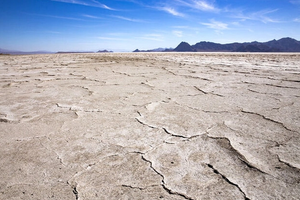
Around 60% of Iran’s wetlands have dried up as the country endures one of its driest years in two decades, with rainfall down by 20% compared to the long-term average, according to a report by Tasnim news agency on Sunday.


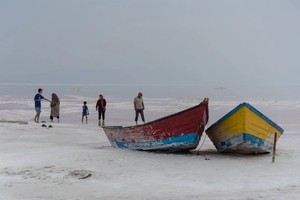
The outlet said the 2024 summer was “the driest season in twenty years,” turning rivers into “lifeless channels” and leaving many wetlands -- including Lake Urmia, Bakhtegan, Gavkhouni, and Hamoun -- either completely dry or severely depleted.

Official data from the Ministry of Energy cited by Tasnim showed that the country received 36 millimeters less rain than usual, with all nine major watersheds recording significant drops in precipitation. Southern provinces such as Sistan-Baluchestan, Hormozgan, and Bushehr saw rainfall decline by as much as 90%.

Water reservoir levels have also plummeted. Total storage in Iran’s dams has fallen to 39 billion cubic meters, about 15% lower than last year, while more than 60% of major dams are operating below half capacity, the report said.

Environmental authorities warned that wetlands across the country are on the brink of collapse due to a combination of drought, overextraction of groundwater, and mismanagement of water resources.

Experts quoted in the report said Iran’s worsening water crisis is no longer a temporary drought but a structural challenge caused by decades of poor management, overuse of groundwater, and unchecked dam construction.

They urged a shift in water governance and consumption patterns, warning that without urgent reforms, “Iran will sink deeper into a permanent state of water scarcity.”

Most Viewed

Iran's oil output plunges below pre-war domestic needs
1
ANALYSIS

Iran's oil output plunges below pre-war domestic needs

2

Iran state TV says modified missile could reach US base in Britain

3

Cash-strapped Iranians put multiple organs up for sale

4
ONE-ON-ONE

Iranians and Israelis can defeat the IRGC together, says Arab-Israeli activist

5

Iran threatens Armenia as US-run Trump Route clears Yerevan’s parliament

Banner

Spotlight

  • Canadian MP to flag paintball gun findings after Iran protest blindings
    PODCAST

    Canadian MP to flag paintball gun findings after Iran protest blindings

  • Locks for cash: inside Iran's booming hair trade

    Locks for cash: inside Iran's booming hair trade

  • Seven years after ‘Bloody November,’ Iran rations gasoline it dares not reprice

    Seven years after ‘Bloody November,’ Iran rations gasoline it dares not reprice

  • Iranians and Israelis can defeat the IRGC together, says Arab-Israeli activist
    ONE-ON-ONE

    Iranians and Israelis can defeat the IRGC together, says Arab-Israeli activist

  • Iran's oil output plunges below pre-war domestic needs
    ANALYSIS

    Iran's oil output plunges below pre-war domestic needs

  • Iranian hardliners urge Iraq to push back against US pressure
    INSIGHT

    Iranian hardliners urge Iraq to push back against US pressure

Banner
Banner
Banner
Banner
Banner
Banner
  • No surviving wetlands remain in Iran’s southern Fars province, report says

    No surviving wetlands remain in Iran’s southern Fars province, report says

  • Iran's real crisis: environmental decay wrought by official neglect

    Iran's real crisis: environmental decay wrought by official neglect