• العربية
  • فارسی
BrandBrand
  • Iran Insight
  • Politics
  • Economy
  • Analysis
  • Special Report
  • Opinion
  • Podcast
  • Live TV
  • Iran Insight
  • Politics
  • Economy
  • Analysis
  • Special Report
  • Opinion
  • Podcast
  • Live TV
  • Theme
  • Language
    • العربية
    • فارسی
  • Iran Insight
  • Politics
  • Economy
  • Analysis
  • Special Report
  • Opinion
  • Podcast
  • Live TV
All rights reserved for Volant Media UK Limited
volant media logo

Iranian money-laundering tycoon back in headlines with crypto plans

Jan 25, 2025, 17:15 GMT+0Updated: 11:48 GMT+0
Babak Zanjani, an Iranian billionaire accused of corruption, once expressed pride in helping Iran bypass oil sanctions during economic hardship.

Unofficial reports surrounding the activities of Babak Zanjani, once Iran's richest man and a figure synonymous with corruption and sanctions evasion, have reignited public and media interest.
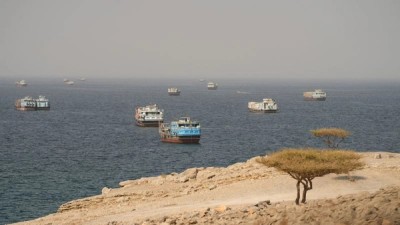

Recent reports in Iranian media suggest that Zanjani, despite being officially incarcerated, may be laying the groundwork for ambitious economic projects, including ventures in cryptocurrency, aviation, and oil transport.

The conservative Khorasan daily recently questioned reports about Zanjani's involvement in launching a cryptocurrency bank named Bit Bank. Social media users have said that a sign bearing the bank's name has been spotted on a building in Tehran, fueling speculation about Zanjani's return to economic activities.

"Are the claims regarding Babak Zanjani's new activities true? If so, will he be released from prison, granted conditional freedom as previously mentioned by his lawyer, or will he launch a new round of economic activities from inside prison?" Khorasan asked in a recent editorial.

A video uploaded to a YouTube account in December attributed to Zanjani detailed plans for a blockchain-based economic initiative, describing Iran's economy as fertile ground for such innovations.

100%

The timing of these activities raises eyebrows, given the Trump administration’s potential return to a maximum pressure policy against Iran. Cryptocurrency, particularly projects pegged to stable assets like the dollar, could serve as a tool for evading sanctions. However, no concrete evidence links Zanjani directly to these developments beyond the circulating social media claims.

Adding to the intrigue are notes attributed to Zanjani on social media suggesting the establishment of an airline, Dot One, which promises to transform Iran's aviation industry.

Another report said that Zanjani intends to launch a large-scale oil transport operation involving thousands of tanker trucks. While the authenticity of these statements remains uncertain, the ambitious tone mirrors the bold projects Zanjani was associated with during his heyday.

Conservative media outlets in Iran have called on judiciary officials to clarify Zanjani’s legal and operational status.

In response to speculation about Zanjani’s release from prison, judiciary spokesperson Asghar Jahangir earlier said: "Babak Zanjani has neither been released nor is he on leave." The official said that no recent developments support claims of Zanjani’s release.

Nevertheless, Zanjani’s lawyer, Rasoul Kouhpayeizadeh, fueled speculation by posting a photo on Instagram showing Zanjani with an individual dressed as someone from a Persian Gulf Arab country, tagged at a location in Tehran. The post’s ambiguous nature has only added to the mystery surrounding Zanjani’s exact status and whereabouts.

A Legacy of Controversy

Zanjani’s rise and fall remain one of the most contentious episodes in Iran’s recent economic history. Once valued at $13.5 billion, Zanjani was seen as a key player in circumventing sanctions under President Mahmoud Ahmadinejad. His networks laundered billions through complex schemes spanning Turkey, Indonesia, and Central Asia. Arrested in Iran in 2013, Zanjani was convicted of embezzling $1.9 billion in oil revenues, earning him a death sentence later commuted to 20 years in prison. The government charged that he pocketed money from oil exports insted of returning it to the treasury.

While some officials have praised Zanjani for eventually returning the assets, many argue that his extensive operations were enabled by high-level complicity. The secrecy surrounding his dealings and cooperation with authorities have led many to view him as a figure too well-connected to face the full consequences of his actions.

Zanjani's resurgence coincides with Iran’s ongoing economic crisis. As sanctions persist, limiting oil exports and access to international banking, the government struggles with budget deficits and hyperinflation. Cryptocurrency projects and privatized oil transport ventures, if materialized, could offer alternative revenue streams for Iran’s beleaguered economy.

Yet, the ambiguity surrounding Zanjani’s activities and the lack of official acknowledgment leave more questions than answers.

Most Viewed

Iran is running out of economic escape routes
1

Iran is running out of economic escape routes

2
ANALYSIS

US strikes on Iran now serve the blockade

3

US says it can sustain Iran blockade for ‘foreseeable future’

4
ANALYSIS

Once US blockaded Iran, China’s ‘Malaysian’ oil imports dried up

5
ANALYSIS

Istanbul meeting: A new division of labor in the Iran war?

Banner
Banner
Banner
Banner
Banner

Spotlight

  • Baluch insurgency tests the limits of a war-weakened Islamic Republic
    PODCAST

    Baluch insurgency tests the limits of a war-weakened Islamic Republic

  • US strikes on Iran now serve the blockade
    ANALYSIS

    US strikes on Iran now serve the blockade

  • Salvation or tragedy? Iranians debate prospect of another war

    Salvation or tragedy? Iranians debate prospect of another war

  • More patrols, slower internet suggest Tehran is bracing for trouble
    VOICES FROM IRAN

    More patrols, slower internet suggest Tehran is bracing for trouble

  • Iran’s evasion network survives, but the crude feeding it has run dry

    Iran’s evasion network survives, but the crude feeding it has run dry

  • Once US blockaded Iran, China’s ‘Malaysian’ oil imports dried up
    ANALYSIS

    Once US blockaded Iran, China’s ‘Malaysian’ oil imports dried up

  • Istanbul meeting: A new division of labor in the Iran war?
    ANALYSIS

    Istanbul meeting: A new division of labor in the Iran war?

  • China values Iran but won't pay any price to defend it
    ONE-ON-ONE

    China values Iran but won't pay any price to defend it