• العربية
  • فارسی
BrandBrand
  • Iran Insight
  • Politics
  • Economy
  • Analysis
  • Special Report
  • Opinion
  • Podcast
  • Live TV
  • Iran Insight
  • Politics
  • Economy
  • Analysis
  • Special Report
  • Opinion
  • Podcast
  • Live TV
  • Theme
  • Language
    • العربية
    • فارسی
  • Iran Insight
  • Politics
  • Economy
  • Analysis
  • Special Report
  • Opinion
  • Podcast
  • Live TV
All rights reserved for Volant Media UK Limited
volant media logo

Iran sees over 30% drop in rainfall as drought worsens

Dec 9, 2024, 14:58 GMT+0Updated: 12:12 GMT+0
Low water levels at a dam near Tehran

Rainfall across 29 Iranian provinces has dropped by nearly a third since October, according to the Iran Meteorological Organization, as the country continues to struggle with water scarcity.

The country has experienced an overall rainfall reduction of 31.9% during this period, with the southern provinces of Sistan-Baluchestan and Hormozgan seeing the most dramatic declines at nearly 90% and just over three-quarters, respectively.

Mansour Shishehforoush, the Director General of Crisis Management for Isfahan Province, highlighted the severity of the situation earlier this year.

"Isfahan has a dry and semi-dry climate, and over 80% of its area is experiencing drought conditions," he said in July, noting that water tankers were being used to supply over 300 villages. Isfahan has since recorded a 68% reduction in autumn rainfall.

Despite the alarming trends, some regions have bucked the pattern. South Khorasan and Mazandaran have reported slight increases in rainfall, rising by 1.1% and 14.3%, respectively. These exceptions provide little relief, as other provinces, including Golestan and Gilan in the north, have experienced reductions of 16.6% and 7.8%, exacerbating the broader drought.

Sadegh Ziaeian, head of the National Center for Weather Forecasting and Crisis Management, flagged an additional concern: reduced water inflow into the Caspian Sea from neighboring countries, contributing to a decline in the sea's water level.

The rainfall deficit follows a year of weather extremes, including heavy flooding earlier in central and southeastern regions. These floods caused extensive damage, destroying homes and severing transport routes, highlighting the volatility of Iran's climate and the challenges it poses for crisis management.

Most Viewed

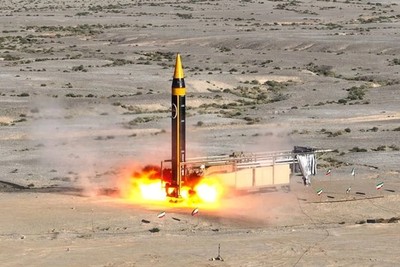
Iran state TV says modified missile could reach US base in Britain
1

Iran state TV says modified missile could reach US base in Britain

2

Seven years after ‘Bloody November,’ Iran rations gasoline it dares not reprice

3

Third US carrier joins Iran blockade, Bessent warns of economic collapse

4

Blair's sister-in-law attended Iran conference linked to IRGC spy recruitment - Telegraph

5

Iran facing one of fastest economic collapses ever, Bessent says

Banner

Spotlight

  • Can higher fuel prices curb Iran’s smuggling problem?
    ANALYSIS

    Can higher fuel prices curb Iran’s smuggling problem?

  • Canadian MP to flag paintball gun findings after Iran protest blindings
    PODCAST

    Canadian MP to flag paintball gun findings after Iran protest blindings

  • Locks for cash: inside Iran's booming hair trade

    Locks for cash: inside Iran's booming hair trade

  • Seven years after ‘Bloody November,’ Iran rations gasoline it dares not reprice

    Seven years after ‘Bloody November,’ Iran rations gasoline it dares not reprice

  • Iranians and Israelis can defeat the IRGC together, says Arab-Israeli activist
    ONE-ON-ONE

    Iranians and Israelis can defeat the IRGC together, says Arab-Israeli activist

  • Iran's oil output plunges below pre-war domestic needs
    ANALYSIS

    Iran's oil output plunges below pre-war domestic needs

Banner
Banner
Banner
Banner
Banner
Banner











