Speaking to the semi-official ILNA news agency, the head of the Ministry’s Tuberculosis and Leprosy Division, Mahshid Nasehi, noted that other provinces with significant case numbers included Gilan, Khuzestan, Khorasan Razavi, Qom, and Yazd.
Nasehi also stated that there is no province without reported tuberculosis cases and added that, in Tehran province, the incidence rate of tuberculosis relative to the population is higher than the national average.
The official noted that among the 7,261 identified cases, 44% were women, and 25% were non-Iranians. Pulmonary tuberculosis, primarily affecting the lungs, was the most common form, accounting for over 80% of all cases.
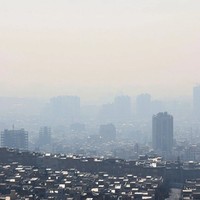
At Zabol University of Medical Sciences in Sistan-Baluchistan, the program head reported in August that dust storms in the Sistan region are contributing to an increase in serious diseases, including tuberculosis.
Higher tuberculosis rates, like those in Sistan-Baluchistan and Golestan, are usually driven by a combination of factors. Proximity to high-tuberculosis countries increases exposure through cross-border movement, while limited healthcare access delays diagnosis and treatment. Environmental challenges, such as frequent dust storms, weaken respiratory health, making people more vulnerable. Socioeconomic factors, including poverty and overcrowded living conditions, further facilitate its spread.