Who is the oil tycoon Khamenei saved from gallows?

Niloufar Goudarzi
Iran International

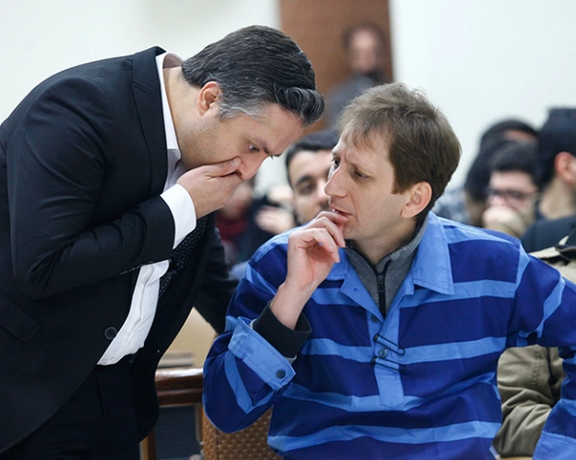
A regime insider once hailed as Iran's richest man, Babak Zanjani, who was previously sentenced to death for corruption, is getting ready to walk free.
Iran International
A regime insider once hailed as Iran's richest man, Babak Zanjani, who was previously sentenced to death for corruption, is getting ready to walk free.
But, who is Babak Zanjani?
As the founder of the largest enterprise in Iran's contemporary history, Zanjani was involved in many business ventures. From transport services to construction, from owning football clubs to selling oil, he has become a tycoon both within Iran and abroad.
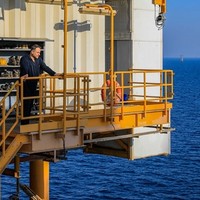
During ultra-hardliner populist Mahmoud Ahmadinejad's presidency in the early 2010s, he was tasked with exporting oil to evade international sanctions.
Once hailed as Iran's richest man, he called himself the soldier of the Islamic revolution working on the economic front to facilitate the country's escape from crippling sanctions.
What was the source of his wealth?
Zanjani was a middleman who sold Iranian oil through companies mainly affiliated with the Islamic Revolution Guards Corps (IRGC), helping it boost its influence in Iran’s politics far beyond its military remit.
Amid international sanctions, the ultraconservative President Mahmoud Ahmadinejad allowed the private sector to sell oil internationally; to that end, Zanjani and other individuals set up elaborate networks and laundered money around the globe, including in Turkey, the United Arab Emirates, Indonesia, and Central Asia, aided by a mystery team.
The former tycoon once valued himself at approximately $13.5 billion, a staggering amount in a country where the majority of the economy is owned by the state. Today, one third of Iran’s population is living below the poverty line.
How did he get into trouble?
By evading the sanctions, Zanjani was subject to international penalties, including those from the European Union in December 2012 and the United States in April 2013.
However, the punishments were not only international but also domestic.
When Hassan Rouhani was elected president after Ahmadinejad’s second term (2009-2013), Zanjani was arrested and convicted. According to the new government's Ministry of Oil, Zanjani owed them $1.9 billion in oil revenues.
The shifting political environment in Iran transformed Zanjani into a figure facing legal scrutiny and international sanctions, forcing him into a highly publicized legal battle.
He was subsequently sentenced to death in 2016, but following an appeal for clemency, the penalty was reduced instead to 20 years behind bars on Tuesday.
Could he now walk free?
He has always denied all the allegations of corruption and has pledged to repay all the money he owes if he is released from prison and allowed access to his business network.
The judiciary on Tuesday said the reason behind his reduced sentence was that he “cooperated” and that “his properties abroad were identified and confirmed by experts."
According to Rasul Kohpayehzadeh, Babak Zanjani's attorney, given that more than 10 years have passed since his prison term, his client may be eligible for parole, and “his prison term could be over.”