US Blasts Iran’s Decision To Ban VPNs

The United States has called Iran's decision to ban the use of virtual private network (VPN) services a "reminder of how much the Iranian regime fears its people".
The United States has called Iran's decision to ban the use of virtual private network (VPN) services a "reminder of how much the Iranian regime fears its people".
Spokesman Matthew Miller made the comments amid Iran's lowest ebb, when on the eve of next month's elections, turnout is expected to be the lowest in the history of the Islamic Republic.
Miller said the government fears "what they [Iranians] are capable of when they are given unfettered access to the internet and information", the 2022 uprising and its subsequent rejection of the government reflecting the power of the people in the face of the country's tyrannical regime.
Blaming Tehran for “choking off information that people need to make decisions about their lives and decisions about their futures,” Miller stressed that the regime’s policies to restrict the virtual space have harmed businesses and cost Iran’s economy billions of dollars.
Iran’s National Virtual Space Center announced a resolution banning the use of VPNs in the country on Tuesday, approved by Supreme Leader Ali Khamenei.
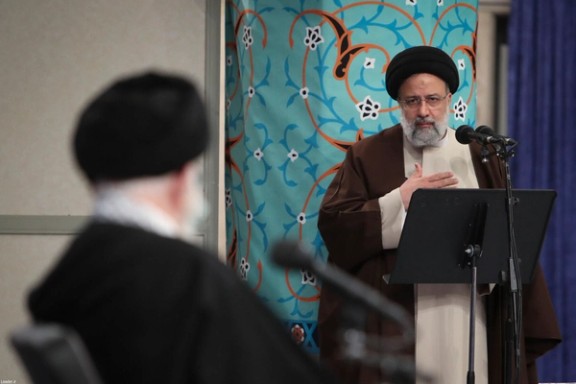
“Employing VPN devices is prohibited, except for those with a legal permit,” the resolution stated, without specifying who will be eligible for the permits and what actions and purposes will be allowed under the new law.
During the press conference, Miller also vowed that Washington will continue its support for internet freedom in Iran, an integral part of the US campaign to further the cause of human rights in the country.
“In the height of the protests in 2022 and 2023, as many as one in three Iranians used US-supported anti-censorship and digital security tools such as VPNs. There are millions of Iranians that have continued to use those tools to this day,” Miller went on to say.
Since the Women, Life, Freedom uprising, sparked by the death in morality-police custody of Mahsa Amini, the likes of Instagram and Whatsapp have been banned. For millions of small businesses, it has been crippling. Many small businesses depend on such platforms, not least, women in remote regions.
Miller’s remarks come against the backdrop of mounting criticisms against US President Joe Biden over his policies regarding Tehran. Many Iranian activists and opposition figures, as well as American politicians, accuse the Biden administration of being too lenient towards Iran.
Iran's disruption of VPN networks has been coupled with an ongoing surge in internet crackdowns to silence opposition voices. The disruptions have led to decreased internet access speed, exacerbating concerns over online censorship and surveillance in Iran.
The latest bans come amid a broader crackdown on internet freedom activists. Among those detained is Youssef Ghobadi whose unofficial detention has sparked widespread outcry, along with the arrest of another activist known as "Segaro," who was active on the X platform. The two had been working to develop and distribute circumvention tools such as VPNs to help Iranians bypass internet censorship.
In last year's Freedom House report, the NGO stated "Iran experienced the worst score decline among the countries assessed, driven by the authorities’ disproportionate and violent crackdown on nationwide anti-government protests". It noted that "the government also shut down internet services, blocked WhatsApp and Instagram, and expanded its repressive surveillance apparatus".