• العربية
  • فارسی
BrandBrand
  • Iran Insight
  • Politics
  • Economy
  • Analysis
  • Special Report
  • Opinion
  • Podcast
  • Live TV
  • Iran Insight
  • Politics
  • Economy
  • Analysis
  • Special Report
  • Opinion
  • Podcast
  • Live TV
  • Theme
  • Language
    • العربية
    • فارسی
  • Iran Insight
  • Politics
  • Economy
  • Analysis
  • Special Report
  • Opinion
  • Podcast
  • Live TV
All rights reserved for Volant Media UK Limited
volant media logo

Iranian Lawmaker Says Even Ordinary Medicines Are Scarce Now

Apr 27, 2022, 20:32 GMT+1

A member of parliament says the shortage and high prices of medicines in Iran are not limited to certain drugs anymore, and very common medications are also scarce and expensive.

Homayoon Sameh Yeh Najafabadi, who is a member of the parliament's health committee, told ILNA on Wednesday that “today medicine has become very scarce in the country, not special medicines but very ordinary medicines. Therefore, people have to go to several pharmacies for one prescription”.

Criticizing those who claimed to be able to control the prices of medicines, he added that the Health Ministry should have devised a detailed plan for controlling the prices before submitting the budget bill to parliament.

Many officials from the Health Ministry appeared before the parliament and said there would be no problem with the high cost of medicines because the insurance companies would cover the higher in prices, and that there won’t be any pressure on patients once subsidy for imports of essential goods are eliminated, Najafabadi said.

The lawmaker said in addition to medicines, the prices of wheat, flour and bread have also increased, expressing hope that the government has a plan in this regard.

In March, the parliament decided to scrap an annual $9-14 billion subsidy for essential food and medicines, despite warnings of more inflation and hardship.

The subsidy was introduced in April 2018 when former US president Donald Trump signaled his intention to withdraw from the Obama-era nuclear agreement with Iran known as JCPOA, and Iran’s national currency began to nosedive.

Most Viewed

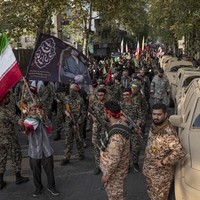
US strikes on Iran now serve the blockade
1
ANALYSIS

US strikes on Iran now serve the blockade

2

US says it can sustain Iran blockade for ‘foreseeable future’

3
ANALYSIS

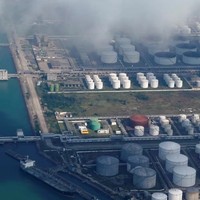
Once US blockaded Iran, China’s ‘Malaysian’ oil imports dried up

4
ANALYSIS

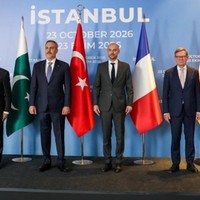
Istanbul meeting: A new division of labor in the Iran war?

5

Pakistan talks peace with Iran, defends Saudis against Tehran’s proxies

Banner
Banner
Banner
Banner
Banner

Spotlight

  • Baluch insurgency tests the limits of a war-weakened Islamic Republic
    PODCAST

    Baluch insurgency tests the limits of a war-weakened Islamic Republic

  • US strikes on Iran now serve the blockade
    ANALYSIS

    US strikes on Iran now serve the blockade

  • Salvation or tragedy? Iranians debate prospect of another war

    Salvation or tragedy? Iranians debate prospect of another war

  • More patrols, slower internet suggest Tehran is bracing for trouble
    VOICES FROM IRAN

    More patrols, slower internet suggest Tehran is bracing for trouble

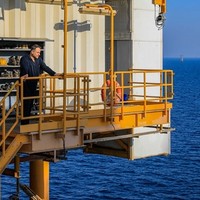
  • Iran’s evasion network survives, but the crude feeding it has run dry

    Iran’s evasion network survives, but the crude feeding it has run dry

  • Once US blockaded Iran, China’s ‘Malaysian’ oil imports dried up
    ANALYSIS

    Once US blockaded Iran, China’s ‘Malaysian’ oil imports dried up

  • Istanbul meeting: A new division of labor in the Iran war?
    ANALYSIS

    Istanbul meeting: A new division of labor in the Iran war?

  • China values Iran but won't pay any price to defend it
    ONE-ON-ONE

    China values Iran but won't pay any price to defend it